



What's Happening?
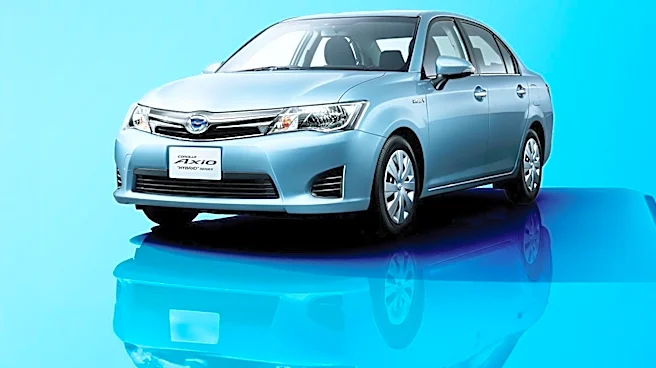
Toyota is preparing to launch electric vehicle (EV) and plug-in hybrid electric vehicle (PHEV) versions of its best-selling Corolla model, with the next-generation Corolla expected to debut as a 2028 model year. This marks a significant shift for the globally
popular car, which has sold over 57 million units since its introduction in 1966. The upcoming Corolla will feature a redesigned exterior, a high-tech interior, and an updated platform, likely a heavily modified version of the current TNGA-C architecture, to support multiple powertrains including gasoline, hybrid, PHEV, and battery electric. While specific details are still under wraps, the Corolla EV is anticipated to offer a driving range of at least 250 miles and come in single- and dual-motor configurations. The PHEV model will incorporate a larger battery for an extended electric driving range. Toyota engineers have indicated that the hybrid version will utilize a new 1.5-liter four-cylinder engine combined with an electric motor, aiming for 134 horsepower and a 10% to 20% improvement in efficiency over the current setup, with an all-wheel-drive option possible.
Why It's Important?
The introduction of electric and plug-in hybrid options for the Toyota Corolla is a pivotal development for the U.S. automotive market and the broader transition to sustainable transportation. As one of the most popular and affordable cars globally, the Corolla's electrification could significantly accelerate EV adoption among mainstream consumers in the U.S. This move directly challenges competitors in the compact car segment and expands consumer choices for eco-friendly vehicles. For Toyota, it represents a strategic response to increasing regulatory pressures for lower emissions and growing consumer demand for electric vehicles, particularly as the company has historically been more conservative in its EV rollout compared to some rivals. The potential availability of the Corolla EV in the U.S. market could impact sales of other electric compact cars and influence pricing strategies across the industry. Furthermore, the development of a versatile platform supporting multiple powertrains demonstrates Toyota's commitment to offering diverse options to meet varying consumer needs and market conditions, which is crucial for its long-term competitiveness in the U.S.
What's Next?
The next-generation Toyota Corolla, including its electric and plug-in hybrid variants, is expected to make its debut sometime in 2027 as a 2028 model year. While Toyota has not yet confirmed whether the Corolla EV will be available in the U.S., its global launch will likely precede or coincide with its potential U.S. introduction. Pricing details are expected closer to the launch, with estimates suggesting the gasoline version will start around $25,000, the hybrid around $27,000, and the EV and PHEV models in the $30,000 range. The company will need to finalize production plans and distribution strategies for the U.S. market. Consumers and industry analysts will be closely watching for official announcements regarding U.S. availability, detailed specifications, and charging infrastructure compatibility. Toyota's success with the electrified Corolla will be a key indicator of its ability to adapt its best-selling models to the evolving demands of the electric vehicle market.
Beyond the Headlines
Toyota's decision to electrify the Corolla, a vehicle synonymous with reliability and affordability, carries significant cultural and environmental implications. For decades, the Corolla has been a gateway car for many first-time buyers and a staple for budget-conscious consumers. Introducing EV and PHEV options to this iconic model could demystify electric vehicles for a broad segment of the U.S. population, making sustainable transportation more accessible and less intimidating. This move could help normalize EV ownership beyond early adopters and luxury segments, fostering a wider cultural acceptance of electric cars. Environmentally, a mass-market electric Corolla could contribute substantially to reducing carbon emissions and improving air quality, especially if adopted widely in urban areas. However, the success of this transition will also depend on the availability and accessibility of charging infrastructure across the U.S., particularly in diverse socioeconomic communities. The long-term impact could be a significant acceleration in the U.S.'s journey towards a greener automotive landscape, influencing consumer habits and infrastructure development for years to come.