





What's Happening?
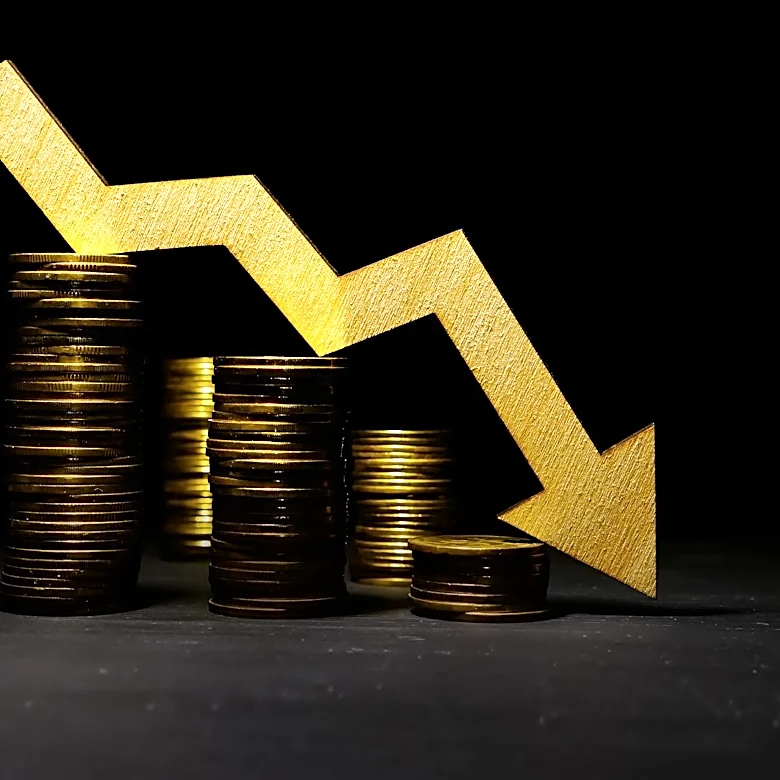
Circle, a company known for its USDC stablecoin, is experiencing significant financial challenges, leading to a 'Sell' rating from analysts. The company's stock, CRCL, has dropped approximately 40% since the beginning of the year. This decline is attributed
to persistent USDC outflows and a reduction in reserve income, which are undermining the company's growth projections. Despite these difficulties, Circle has launched Arc, a new product designed to facilitate transactions using USDC, positioning it as a crucial offering since the introduction of the stablecoin itself. The broader cryptocurrency market is also facing a downturn, with Bitcoin's value slipping and funds exiting the asset class, further exacerbating Circle's struggles. The company's valuation, while cheaper, is not seen as sufficient to offset the ongoing negative trends in USDC circulation.
Why It's Important?
The financial struggles of Circle and the underperformance of its USDC stablecoin have significant implications for the broader cryptocurrency market and the stability of digital assets. USDC is a major stablecoin, and its weakening position could impact investor confidence in other stablecoins and the wider decentralized finance (DeFi) ecosystem. The success or failure of Arc, Circle's new product, will be a key indicator of the company's ability to innovate and adapt in a challenging market. If Arc fails to gain traction, it could signal deeper issues for Circle's business model and its ability to compete. Furthermore, the general outflow of funds from the crypto market, as evidenced by Bitcoin's decline, suggests a broader investor pullback, which could affect numerous companies operating in the blockchain and digital asset space.
What's Next?
Circle is expected to face continued scrutiny regarding its USDC circulation and reserve income. The performance of Arc will be closely watched as a potential driver for renewed growth, though current expectations for circulation growth are deemed unrealistic. The company will need to navigate a challenging market environment characterized by ongoing crypto outflows and a shrinking USDC market capitalization. Potential next steps for Circle could include strategic adjustments to its product offerings, efforts to stabilize USDC circulation, or exploring new revenue streams. The broader crypto market's trajectory, particularly Bitcoin's performance, will also play a significant role in Circle's future, as a market recovery could alleviate some of the current pressures. Investors and market observers will be looking for signs of stabilization in USDC outflows and positive adoption rates for Arc.
Beyond the Headlines
The challenges faced by Circle highlight the inherent volatility and evolving regulatory landscape within the cryptocurrency industry. The reliance on stablecoins like USDC for transactions and the broader DeFi ecosystem means that any instability in these assets can have ripple effects across the digital economy. The situation also underscores the ongoing debate about the true utility and long-term viability of stablecoins, especially during periods of market contraction. Beyond financial metrics, the struggle of a prominent player like Circle could influence regulatory bodies to impose stricter oversight on stablecoin issuers, potentially leading to more stringent reserve requirements and transparency mandates. This could reshape the competitive landscape, favoring more regulated and transparent entities, while posing greater challenges for those unable to adapt.