






What's Happening?
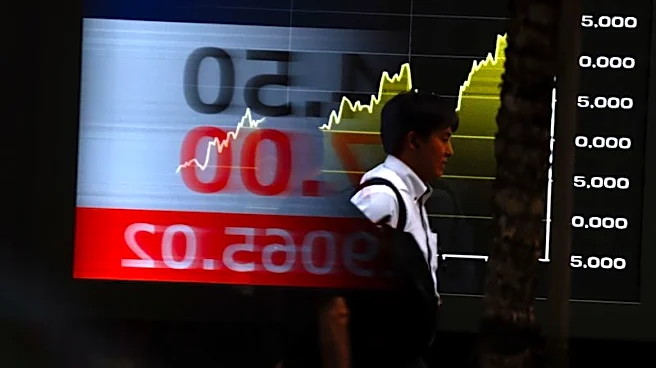
Gold prices have stabilized as a sharp decline in crude oil prices and lower Treasury yields have influenced market dynamics. Spot gold was trading at approximately $4,056.60 per ounce, reflecting a 0.37% increase. The drop in oil prices, driven by tentative
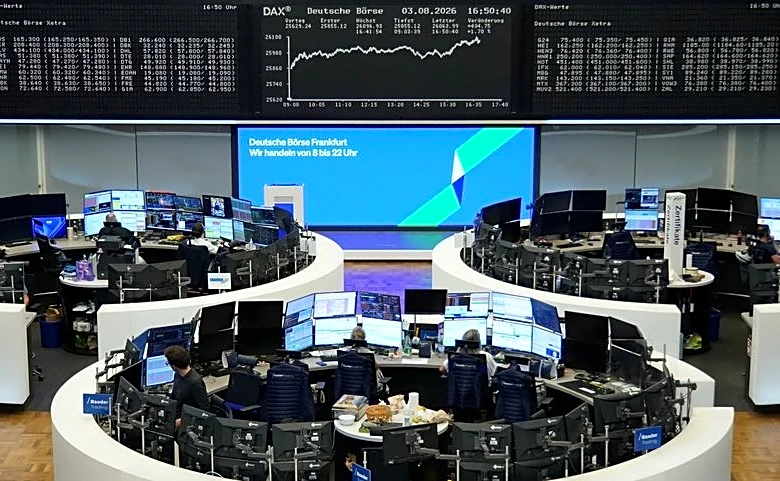
U.S.-Iran diplomacy, has reduced inflationary pressures, leading to a rally in North American equities. The S&P 500, Dow Jones Industrial Average, and Nasdaq Composite all saw significant gains. The Federal Reserve's recent decision to hold interest rates steady has also contributed to the current market environment, with futures markets adjusting their expectations for future rate hikes.
Why It's Important?
The stabilization of gold prices amidst fluctuating oil prices and geopolitical tensions underscores the complex interplay between commodity markets and global diplomacy. The reduction in oil prices has eased inflation concerns, benefiting equities and reducing the immediate demand for gold as a safe-haven asset. However, the ongoing U.S.-Iran negotiations over the Strait of Hormuz and nuclear program continue to pose potential risks to market stability. The Federal Reserve's cautious approach to interest rates reflects broader economic uncertainties, influencing investor sentiment and market strategies.
What's Next?
Market participants will closely monitor developments in U.S.-Iran relations, as any escalation could impact oil prices and, consequently, inflation and gold demand. The Federal Reserve's future policy decisions will also be pivotal, with potential rate hikes influencing market dynamics. Investors will watch for further economic indicators, such as inflation data and employment figures, to gauge the trajectory of monetary policy and its impact on commodities and equities.