








What's Happening?
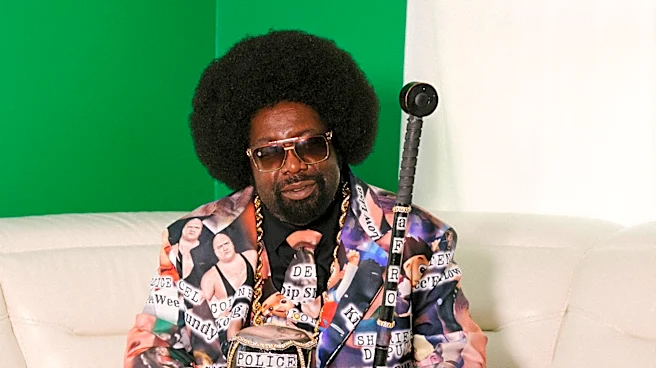
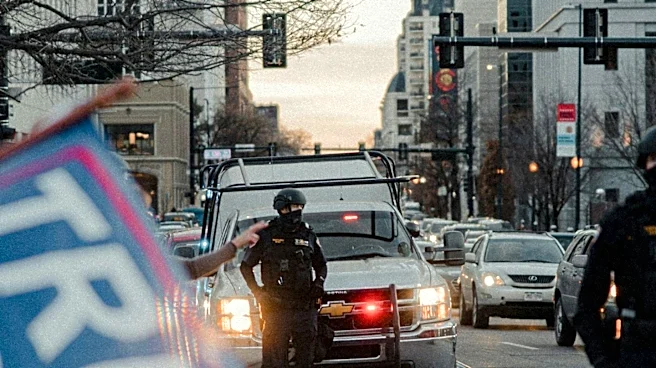
Rapper Joseph 'Afroman' Foreman recently won a defamation lawsuit filed by police officers who raided his home based on false information about a 'dungeon' in his basement. The officers, who were recorded by Foreman's security cameras, became subjects
of his humorous songs and music videos. A juror from the trial, identified as Missy, expressed disbelief at the police's decision to pursue the case, describing their complaints as 'trivial' and their financial demands as 'excessive.' The juror noted that the officers' lives had not significantly changed despite the embarrassment they faced. One officer, Lisa Phillips, was particularly affected by a song that negatively portrayed her, leading to public attacks and false narratives. Despite this, Foreman remained unapologetic, arguing that the lawsuit was a consequence of the officers' mistake.
Why It's Important?
The case highlights issues of police accountability and the use of legal systems to address grievances. The juror's comments reflect a broader public sentiment questioning the appropriateness of the lawsuit, especially given the officers' substantial financial demands. This situation underscores the potential for legal actions to be perceived as overreaching, particularly when public figures use their platforms to critique law enforcement. The outcome of the trial may influence future cases where individuals use creative expression to respond to perceived injustices, potentially affecting how defamation and privacy laws are interpreted in similar contexts.
What's Next?
The case may prompt discussions about the balance between freedom of expression and the protection of individual reputations, especially for public officials. Legal experts and civil rights advocates might weigh in on the implications for future defamation cases involving public figures and law enforcement. Additionally, the public reaction to the trial's outcome could influence how similar cases are pursued or defended in the future, potentially leading to changes in how such disputes are resolved outside of court.
Beyond the Headlines
This case also raises questions about the role of humor and satire in social commentary, particularly when it involves public officials. The use of music and media to critique authority figures is a longstanding tradition, but it can lead to complex legal and ethical challenges. The trial's outcome may encourage artists to continue using their platforms for social critique, while also prompting discussions about the limits of such expression in the face of legal action.