

What's Happening?
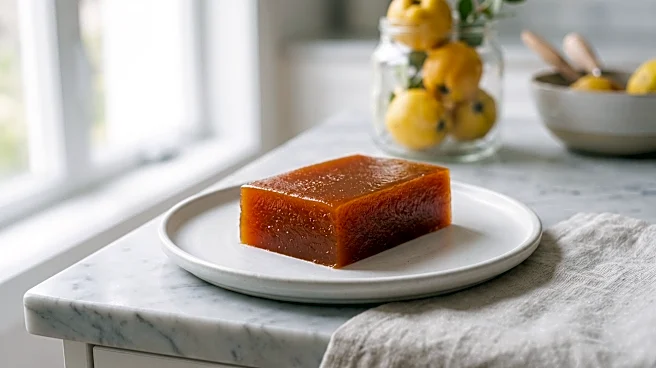
Quince paste, jam, and jelly are not suitable for canine consumption, primarily due to their high sugar content, according to Pawgen. These products, often made by cooking quince fruit with sugar until it sets, can lead to digestive upset and contribute
to weight issues in dogs. Beyond sugar, many commercial and homemade versions of quince paste contain additional ingredients that can be harmful. For instance, some reduced-sugar varieties are sweetened with xylitol, which is highly toxic to dogs. Alcohol, frequently used in quince preparations like brandy or liqueurs, is also dangerous. Furthermore, quince paste can be combined with chocolate or other toxic ingredients like onion, garlic, or raisins in mixed fruit pastes, all of which pose significant health risks to dogs. The seeds of raw quince also contain compounds that can release cyanide if chewed or crushed, although these are typically removed before paste production. If a dog ingests any of these harmful ingredients, immediate veterinary attention or contact with animal poison control is advised.
Why It's Important?
The widespread availability of quince paste and similar products, often found in human diets, presents a hidden danger to pet owners unaware of the specific toxicities. The high sugar content alone can exacerbate existing conditions like diabetes or sensitive stomachs in dogs, leading to more severe health complications. The presence of xylitol, alcohol, chocolate, or other toxic additives like onion and garlic in various quince preparations means that even a small amount can be life-threatening. This information is crucial for pet owners to prevent accidental poisoning, highlighting the need for vigilance regarding human foods accessible to pets. Understanding these risks can help owners make informed decisions about food storage and sharing, ultimately safeguarding their pets' health and potentially saving lives by prompting quick action in case of ingestion.
What's Next?
Pet owners should prioritize educating themselves on common human foods that are toxic to dogs, including various forms of quince products. It is recommended to keep all quince paste, jam, and jelly, especially those containing xylitol, alcohol, chocolate, or other harmful ingredients, out of reach of pets. In the event of accidental ingestion, owners should immediately contact their veterinarian or an animal poison control service, providing as much detail as possible about the quantity and specific ingredients consumed. Vets may advise on inducing vomiting, administering activated charcoal, or other supportive care depending on the severity and type of toxin ingested. Continued awareness campaigns from veterinary organizations and pet care resources can further help disseminate this vital information to the broader pet-owning community.
Beyond the Headlines
This issue extends beyond quince products to a broader concern about the safety of human foods for pets. The increasing complexity of food ingredients, including artificial sweeteners and flavorings, means that pet owners must be more cautious than ever. The 'natural' perception of fruit-based products like quince paste can be misleading, as even natural ingredients can be harmful to animals. This highlights a gap in public awareness regarding pet toxicology and the need for clearer labeling or public health advisories concerning pet-safe foods. The incident also underscores the importance of responsible pet ownership, which includes not only providing proper nutrition but also actively preventing exposure to potentially dangerous substances found in the home environment. This vigilance is essential for the well-being and longevity of companion animals.