



What's Happening?
Hyatt is re-evaluating the business travel experience, focusing on reducing friction points and prioritizing guest downtime and personal routines. A Hyatt-commissioned survey of 2,000 U.S. business travelers revealed that nearly eight in ten believe a high-quality
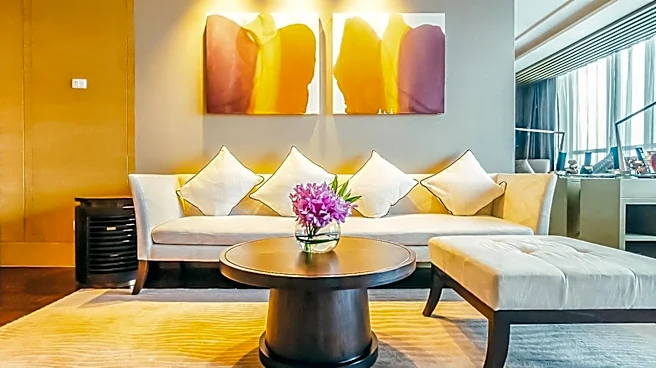
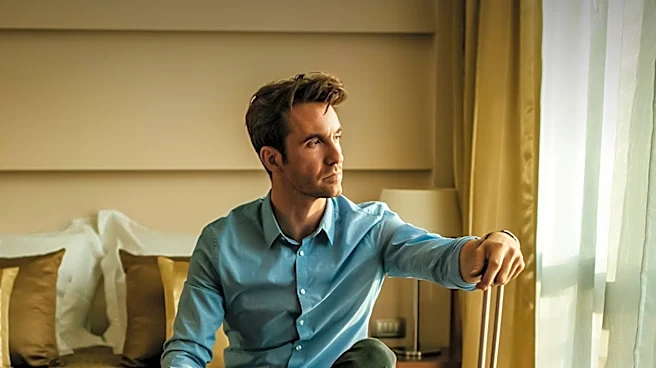
hotel directly improves their work performance, and 90% consider their hotel room the only place they truly feel 'off the clock.' This insight is driving Hyatt's approach to room design, loyalty programs, and expansion strategies. The company is designing rooms to serve multiple functions—office, dining, relaxation, and sleeping—and offering amenities that help guests maintain their personal habits, such as exercise and dining preferences. Hyatt's brands like Hyatt Place and Hyatt House are tailored to these needs, with Hyatt Studios even involving customers in the development process to ensure practical solutions.
Why It's Important?
This strategic shift by Hyatt is significant for the U.S. hospitality industry as it highlights a growing demand for personalized and stress-reducing travel experiences. By focusing on guest well-being and productivity, Hyatt aims to build stronger loyalty among business travelers, who often prioritize convenience and consistency. This approach could influence other hotel chains to re-evaluate their offerings, leading to broader industry changes in room design, service models, and loyalty program benefits. For businesses, understanding that hotel quality impacts employee performance could lead to revised corporate travel policies and increased investment in accommodations that support traveler well-being. The emphasis on downtime also reflects a broader cultural shift towards valuing work-life balance, even during business trips.
What's Next?
Hyatt is expected to continue refining its hotel offerings and loyalty programs based on these insights, potentially expanding features that support guest routines and provide dedicated spaces for work and relaxation. The company's focus on secondary and tertiary markets with emerging brands like Hyatt Studios suggests a strategic expansion to meet travelers where they need options. Other hotel brands may follow suit, investing more in research to understand traveler needs and adapting their services accordingly. This could lead to a more competitive landscape where hotels differentiate themselves not just on amenities, but on their ability to provide a seamless, stress-free, and productivity-enhancing experience for business travelers. Loyalty programs will likely evolve to offer more personalized perks that cater to both business and leisure travel needs.
Beyond the Headlines
Hyatt's strategy reflects a deeper understanding of the psychological impact of business travel. By acknowledging that hotel rooms are often the only private sanctuary for travelers, the company is addressing a fundamental need for personal space and control amidst demanding schedules. This approach moves beyond transactional loyalty to foster an emotional connection with guests, recognizing that reducing friction and supporting personal well-being can be as valuable as traditional perks. It also underscores the evolving nature of work, where the lines between professional and personal life are increasingly blurred, making the hotel room a critical 'third space' that must adapt to diverse needs. This could set a new benchmark for how the hospitality industry views its role in supporting the overall well-being of its guests.