








What's Happening?
Sleep experts Kathryn Pinkham, founder of The Insomnia Clinic, and Dr. Maja Schaedel, Co-Founder and Director of The Good Sleep Clinic, are cautioning against the over-reliance on sleep tracking devices. They highlight that while some sleep products can
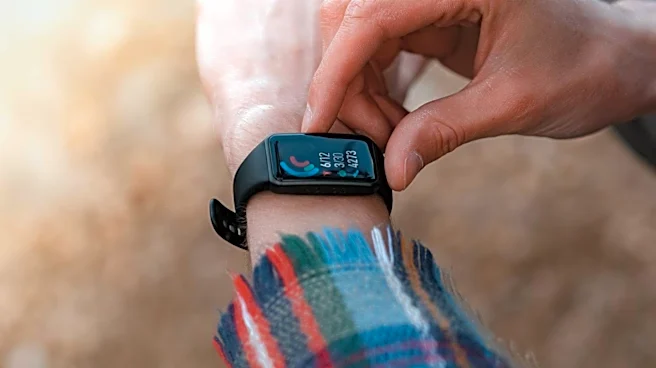
be helpful, trackers can exacerbate sleep anxiety, particularly for individuals already struggling with sleep patterns. According to Pinkham, people may feel fine upon waking but become anxious after their tracker indicates poor sleep. Dr. Schaedel adds that these devices increase focus on sleep, which can worsen anxiety, and their technology is not always accurate in interpreting sleep stages. A 2017 paper in the Journal of Clinical Sleep Medicine even coined a term for patients who become fixated on sleep data, striving for 'perfect sleep.' This perspective suggests that for many, the data provided by trackers can be counterproductive to achieving restful sleep.
Why It's Important?
The expert warnings about sleep trackers carry significant implications for the wellness technology market and public health in the U.S. The proliferation of wearable devices and apps that monitor sleep has created a widespread belief that tracking is essential for improving sleep. However, if these devices contribute to increased anxiety and provide inaccurate data, they could be doing more harm than good. This could lead to a re-evaluation of how sleep technology is marketed and used, potentially shifting focus from data obsession to more holistic and expert-guided approaches to sleep health. Consumers might become more discerning about the claims made by sleep tech companies, and healthcare providers may need to counsel patients on the potential psychological pitfalls of constant sleep monitoring. The emphasis on 'perfect sleep' metrics could also divert attention from addressing underlying sleep disorders with proven medical interventions.
What's Next?
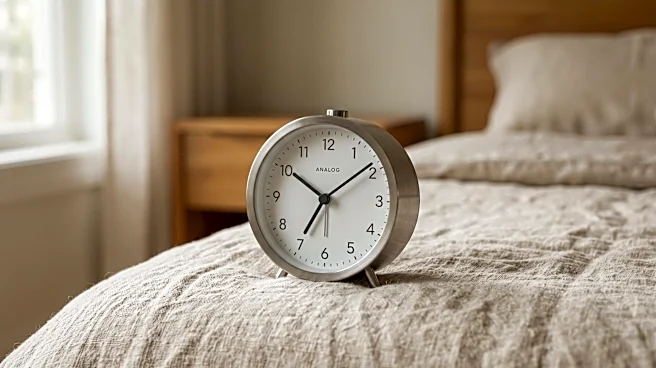
In light of these expert opinions, there may be a growing demand for more nuanced guidance on sleep health, moving beyond simple data tracking. Consumers might seek out alternative sleep aids recommended by experts, such as sunrise alarm clocks, eye masks, and earplugs, which focus on environmental factors rather than internal metrics. There could also be a push for sleep technology companies to improve the accuracy of their devices and to incorporate features that mitigate sleep anxiety, perhaps by offering more interpretive insights rather than raw data. Educational initiatives from health organizations and sleep clinics may become more prevalent, aiming to inform the public about the limitations of sleep trackers and promote healthier sleep habits that do not rely on constant monitoring. This shift could lead to a more balanced approach to sleep wellness, prioritizing mental well-being alongside physiological data.
Beyond the Headlines
The debate surrounding sleep trackers touches upon broader societal trends concerning self-optimization and the quantification of life. In an era where nearly every aspect of daily life can be measured and analyzed, the pursuit of 'perfect' metrics, even in something as fundamental as sleep, can lead to unintended psychological consequences. The experts' warnings highlight a potential ethical dilemma for technology companies: balancing the desire to provide data with the responsibility to ensure that such data genuinely benefits user well-being. This situation also underscores the importance of critical thinking when adopting new technologies, particularly those that promise health improvements. It prompts a deeper reflection on whether constant self-monitoring fosters genuine self-awareness and improvement, or merely creates new sources of anxiety and self-criticism in the pursuit of an idealized, data-driven existence.