








What's Happening?
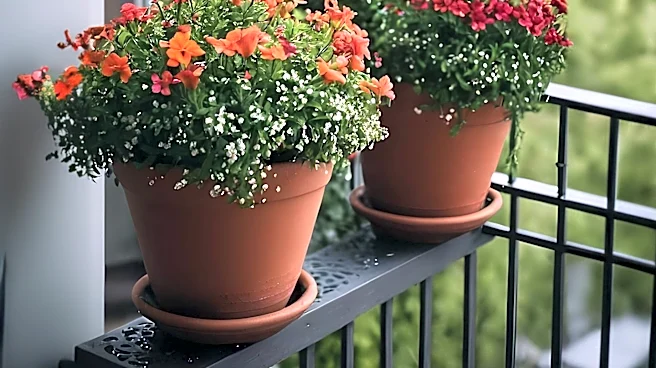
Urban gardening is gaining popularity as a practical solution to the limited green spaces in growing cities. This practice involves transforming rooftops, balconies, terraces, and even small indoor spaces into thriving gardens. Urban gardening allows
city dwellers to grow flowers, herbs, vegetables, and ornamental plants, reconnecting them with nature and enhancing urban environments. The approach makes efficient use of limited space, encouraging sustainable living and community participation. Urban gardening supports local biodiversity by providing habitats for pollinators and small wildlife, contributing to healthier urban ecosystems. It also promotes sustainable practices like composting and rainwater collection, making it accessible to beginners and experienced gardeners alike.
Why It's Important?
Urban gardening plays a crucial role in creating greener, healthier, and more sustainable cities. By utilizing available spaces for gardening, city residents can contribute to reducing urban heat, improving air quality, and enhancing the aesthetic appeal of neighborhoods. This practice supports sustainable living by encouraging resource-conscious habits and reducing the carbon footprint associated with transporting food. Urban gardening also fosters community engagement through shared gardening projects, strengthening social ties and promoting environmental awareness. As more people embrace urban gardening, cities can become more resilient to climate change and more enjoyable places to live.