








What's Happening?
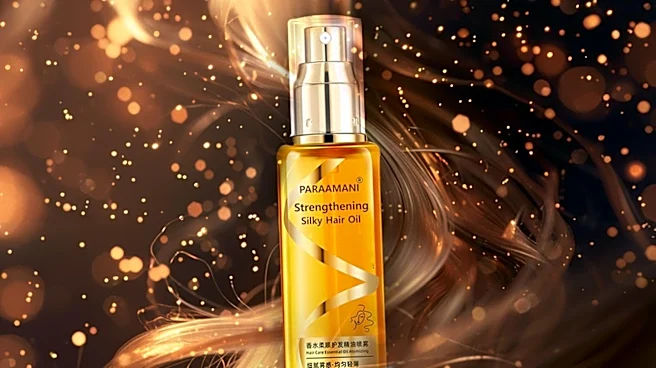
The distinction between hair oil and scalp oil is crucial for effective hair care, as highlighted by experts in the field. Hair oils are designed to seal in moisture, add shine, reduce frizz, and protect against environmental damage. These oils are typically
heavier and coat the hair strand. In contrast, scalp oils are formulated for the skin on the scalp, helping to reduce inflammation, balance sebum production, and support circulation. Using the wrong type of oil on the wrong area can lead to issues such as clogged follicles and disrupted scalp microbiomes. Experts like Shanelle Harris-Burke, a certified trichologist, emphasize the importance of using these products correctly to avoid beauty mishaps.
Why It's Important?
Understanding the differences between hair and scalp oils is vital for consumers seeking to maintain healthy hair and scalp conditions. Misuse of these products can lead to adverse effects, such as buildup on the scalp or insufficient moisture retention in hair strands. This knowledge is particularly important for individuals with specific hair and scalp needs, such as those with color-treated hair or sensitive scalps. The correct use of these oils can enhance hair health, improve appearance, and prevent common issues like frizz and dryness. As the beauty industry continues to grow, informed consumers can make better purchasing decisions, potentially saving money and avoiding ineffective or harmful products.
What's Next?
Consumers are encouraged to consult with hair care professionals to determine the best products for their specific needs. As the market for hair and scalp oils expands, new formulations and products are likely to emerge, offering more tailored solutions for diverse hair types and conditions. Continued education and awareness about the proper use of these products will be essential in helping consumers achieve their desired hair care outcomes. Additionally, the beauty industry may see an increase in demand for expert advice and personalized product recommendations.