
What's Happening?
Red Cat Holdings, Inc. announced on November 16, 2026, that it is withdrawing its previously announced full-year 2026 revenue target. The company stated that it no longer expects to achieve this target due
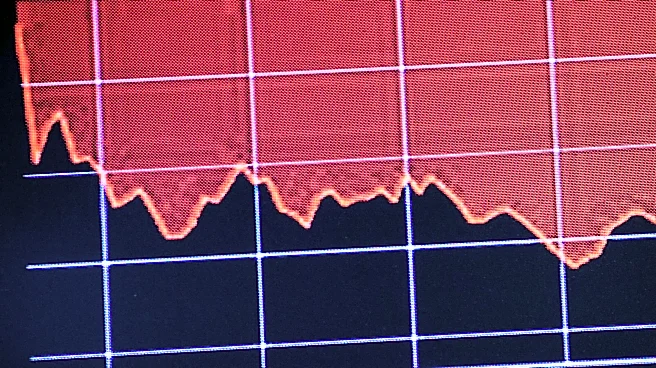
to several factors. These include slower-than-expected progress in anticipated funding and contract awards since the target was reaffirmed in August. Additionally, the outcome of the Drone Dominance program’s Guantlet II has removed an expected contributor to the company's near-term revenue outlook. Previously, on August 6, 2026, Red Cat CFO Christian Morrison had stated that the target revenue remained between $150 million and $180 million, a figure CEO Jeffrey Thompson described as an 'objective we’re highly confident in reaching.' COO Christian Ericson had also expressed confidence in the platform's competitiveness regarding the drone dominance program. Following this announcement, Red Cat's share price declined significantly, dropping by $1.12 per share, or approximately 37.3%, from $3.53 on November 16, 2026, to close at $2.41 on November 17, 2026.
Why It's Important?
This announcement from Red Cat Holdings is significant for investors and the broader market, particularly within the drone technology sector. The substantial drop in share price reflects immediate investor concern and a loss of confidence following the withdrawal of a previously reaffirmed revenue target. This situation highlights the volatility and inherent risks associated with companies heavily reliant on government contracts and funding cycles, especially in emerging technology fields like drone dominance. For Red Cat, the inability to meet projected revenue could impact its operational capabilities, future investment prospects, and its competitive standing. It also signals potential challenges in the broader defense and technology procurement landscape, where funding and contract awards may be subject to delays or unexpected outcomes, affecting companies across the industry. The company's previous strong assertions of confidence in reaching its targets make the current withdrawal particularly impactful, raising questions about forecasting accuracy and risk assessment.
What's Next?
Following the withdrawal of its revenue target, Red Cat Holdings will likely face increased scrutiny from investors and analysts regarding its financial projections and operational strategies. The immediate next steps for the company will involve communicating a revised outlook and detailing how it plans to navigate the challenges posed by slower funding and the outcome of the Drone Dominance program. Investors will be looking for clarity on new revenue expectations, cost-cutting measures, or alternative growth strategies. Furthermore, the law firm Kirby McInerney LLP has initiated an investigation into Red Cat Holdings concerning potential violations of federal securities laws, which could lead to legal proceedings. This investigation will add another layer of complexity for the company, potentially diverting resources and attention. The market will closely monitor any updates on contract awards and funding, as well as the company's performance in subsequent financial reports, to gauge its recovery trajectory.
Beyond the Headlines
The situation with Red Cat Holdings extends beyond immediate financial implications, touching upon broader themes within the defense technology industry and investor relations. The reliance on government contracts, particularly in specialized areas like drone technology, exposes companies to unique risks, including unpredictable procurement timelines and competitive program outcomes. This event underscores the importance of transparent and realistic financial forecasting, especially when dealing with high-stakes government projects. For investors, it serves as a reminder of the due diligence required in assessing companies with significant exposure to public sector funding. Ethically, the discrepancy between earlier confident projections and the subsequent withdrawal raises questions about the communication of risk and certainty to shareholders. Long-term, this could influence how investors evaluate similar defense tech firms, potentially leading to more cautious valuations and a demand for greater transparency regarding pipeline projects and funding dependencies.