



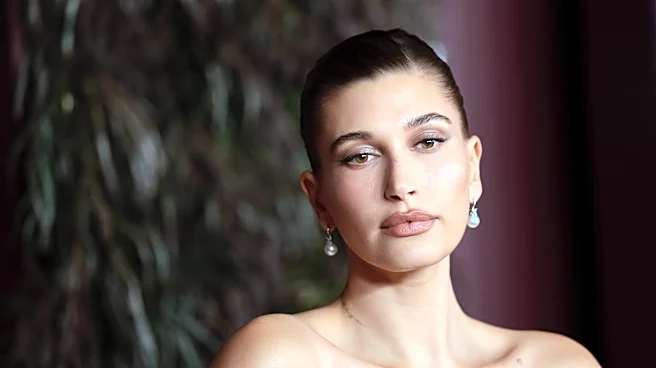

What's Happening?
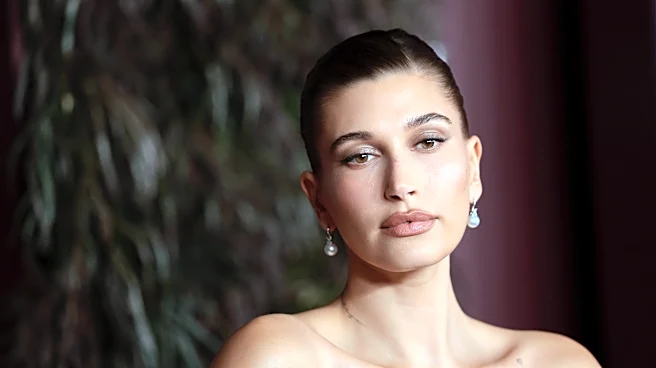
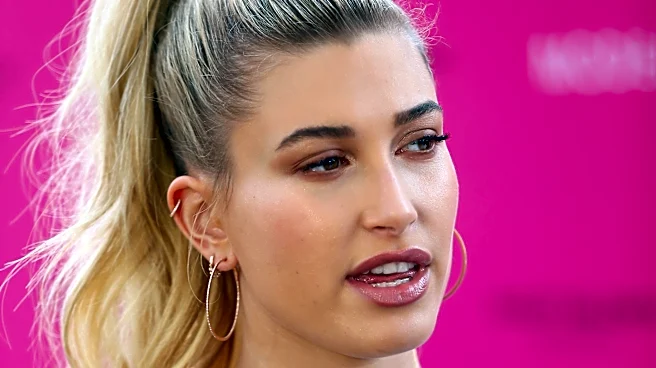
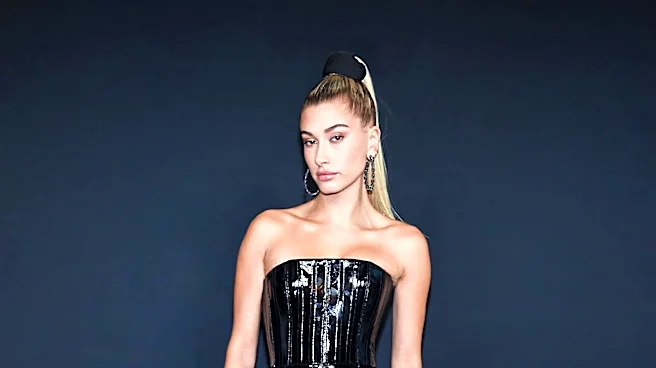
Hailey Bieber has responded to online criticism regarding her recent interview with The New York Times, where she discussed the success of her makeup brand, Rhode. During the interview, Bieber credited 'optimistical delusion' for the 2025 sale of her brand to e.l.f.
beauty for $1 billion, stating, 'A billion dollars was the number that I said I would not sell it for less than that. That felt crazy, that's like shooting for the stars, stars, stars, stars, stars.' Following the interview, many social media users mocked her answers, suggesting she was unprepared for business-oriented questions and lacked a deep understanding of her company's finances. In response, Bieber shared the dictionary definition of 'optimistical' on Instagram, adding 'Anyways…' This comes after she also spoke about the intense social media backlash she faced, including receiving death threats, which she attributed to a rumored feud with Selena Gomez, without explicitly naming her.
Why It's Important?
This event highlights the increasing scrutiny faced by celebrity entrepreneurs, particularly when discussing the business aspects of their ventures. Hailey Bieber's experience underscores the public's expectation for founders to demonstrate comprehensive knowledge of their companies, beyond just their public image. The backlash she received for her 'optimistical delusion' comment reflects a broader skepticism towards celebrity-led businesses that are perceived as lacking substantive operational insight. Furthermore, her discussion of the severe online harassment she endured, including death threats, sheds light on the darker side of social media and the intense pressure and negativity public figures, especially women, often face. This situation could influence how other celebrity entrepreneurs prepare for and conduct business interviews, potentially leading to more detailed and financially informed discussions to avoid similar criticisms.
What's Next?
The ongoing public discourse around Hailey Bieber's interview may prompt further discussions about the role of celebrities in business and the authenticity of their entrepreneurial claims. It could also lead to increased media training for public figures involved in business ventures, focusing on financial literacy and strategic communication to address complex business questions. For Bieber herself, this incident might influence her future public appearances and how she chooses to present her involvement with Rhode. The broader conversation about online harassment and its impact on mental health for public figures is also likely to continue, potentially leading to more calls for social media platforms to address and mitigate such issues. This event could serve as a case study for both aspiring celebrity entrepreneurs and public relations professionals on managing public perception and navigating media scrutiny.
Beyond the Headlines
Beyond the immediate criticism, this incident touches upon several deeper implications. It raises questions about the perceived value of 'optimism' versus 'strategic planning' in the business world, especially when a company achieves significant financial success. The public's reaction suggests a preference for narratives that emphasize hard work and detailed financial acumen over more abstract concepts like 'delusion,' even if the latter is presented as a driving force. Ethically, the intense online bullying and death threats Bieber described highlight the severe consequences of unchecked social media negativity and the psychological toll it takes on individuals. This situation also subtly challenges the notion of 'self-made' success in the celebrity sphere, as the public often scrutinizes whether such ventures are truly driven by the celebrity's business prowess or by their existing fame and resources. It underscores a cultural demand for transparency and accountability from public figures in their business endeavors.