





What's Happening?
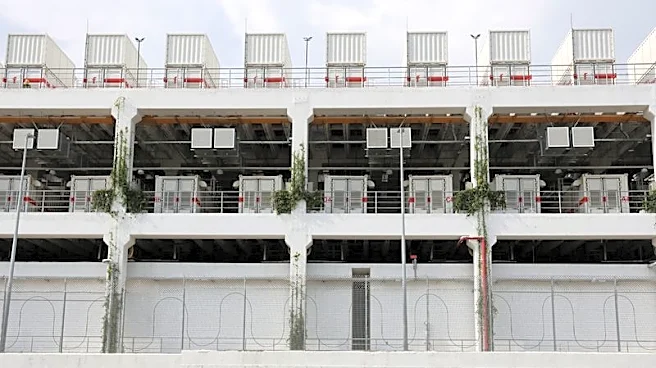
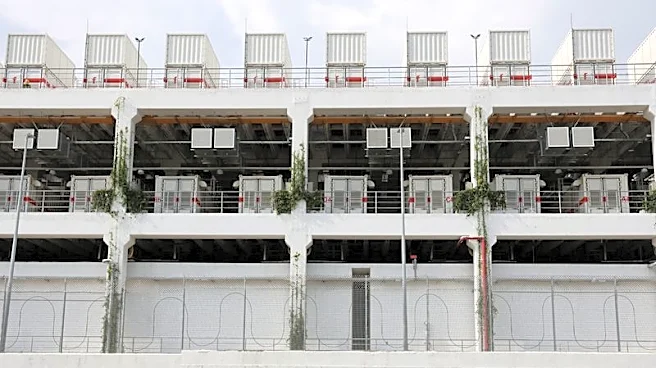
Verisk has introduced a new U.S. Data Center Exposure Database, encompassing over 2,500 facilities nationwide. This product is designed to provide insurers, reinsurers, and brokers with building-level information to assess catastrophe exposure and portfolio
concentrations. The database includes detailed data such as rooftop-level geocoding, individual facility footprints, and structural and operational information like construction type, floor area, capacity, and redundancy characteristics. Verisk developed this database in response to the increasing demand for digital infrastructure driven by AI investments, which has led to a significant concentration of insured property in data centers. The product is integrated with Verisk's Synergy Studio and Touchstone catastrophe modeling platforms and also offers flat-file records and a 90-meter disaggregation grid for geospatial analysis.
Why It's Important?
This launch is critically important for the U.S. insurance and technology sectors. The rapid growth of AI investment is fueling a data center construction boom, with global data center insurance premiums projected to reach $23 billion by 2030. These facilities represent massive concentrations of insured value, often containing billions of dollars in equipment and infrastructure. Insurers face significant challenges in accurately assessing and managing the exposure of these assets to natural catastrophes like hurricanes, floods, and earthquakes. Verisk's database provides essential tools for better underwriting, catastrophe analysis, and exposure management, helping insurers make more informed decisions and mitigate potential losses. This enhanced visibility is crucial for maintaining the stability of the insurance market and ensuring the continued growth of the digital infrastructure that underpins the U.S. economy.
What's Next?
Insurers, reinsurers, and brokers will begin integrating Verisk's U.S. Data Center Exposure Database into their existing catastrophe modeling and portfolio analysis workflows. The immediate focus will be on leveraging the detailed building-level information to improve underwriting practices and refine exposure management strategies for data center assets. Verisk will likely continue to update and expand the database as the data center landscape evolves and AI infrastructure investments grow. The company may also develop additional tools or features to further assist insurers in assessing the complex risks associated with these mission-critical facilities. The adoption of this database is expected to lead to more precise risk assessments and potentially influence insurance pricing and coverage terms for data centers across the U.S.
Beyond the Headlines
The launch of this database highlights a profound shift in how physical infrastructure is viewed in the age of artificial intelligence. Data centers are no longer just real estate; they are mission-critical infrastructure for high-performance computing, essential for the functioning of modern society and the economy. This development brings to light the interconnectedness of technological advancement, physical infrastructure, and financial risk. The concentration of immense value in these facilities raises ethical questions about resilience and redundancy in the face of climate change and other potential disruptions. A major outage at a data center could have cascading effects across industries, impacting everything from financial markets to healthcare. This also underscores the need for robust regulatory frameworks and industry standards to ensure the security and stability of this vital digital backbone, as well as the potential for new insurance products tailored specifically to the unique risks of AI-driven infrastructure.