








What's Happening?
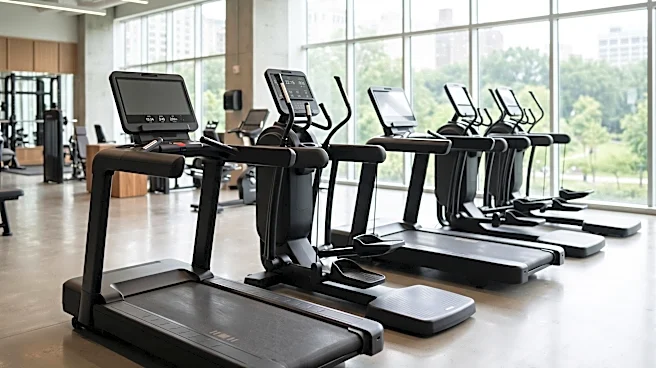
Planet Fitness operates on a business model characterized by low monthly fees and a high volume of members. The gym chain maintains low overhead costs through simple floor plans, basic cardio and selectorized strength equipment, and minimal staffing.
Amenities like pools, saunas, and large group fitness studios are typically absent. This approach allows Planet Fitness to offer membership at a price point low enough that an unused month barely impacts a household budget. The company also enforces specific house rules, such as discouraging grunting and dropping weights, to cultivate an atmosphere suitable for casual and first-time gym-goers rather than competitive lifters. Franchising is a significant component of Planet Fitness's expansion strategy, enabling individual operators to cover the capital costs of building and running clubs while the parent company manages brand standards, national marketing, and multi-location membership systems.
Why It's Important?
This business model has significant implications for the U.S. fitness industry, particularly in how it democratizes access to gym facilities. By offering budget-friendly memberships, Planet Fitness makes fitness more accessible to a broader demographic, potentially encouraging more individuals to engage in physical activity. This strategy contrasts with traditional full-service gyms that justify higher fees with extensive amenities and staff. The reliance on high membership volume means that Planet Fitness's profitability is heavily dependent on a large number of subscribers, many of whom may not frequently visit. This model benefits those seeking an affordable and non-intimidating gym environment, but it also highlights a broader trend in the fitness market where chains profit from members who pay but rarely show up. The franchising model also creates numerous business opportunities for individual operators across the country, contributing to local economies.
What's Next?
The continued success of Planet Fitness's model suggests that other budget gym chains may further adopt similar strategies, intensifying competition in the low-cost fitness segment. The emphasis on a non-intimidating environment could lead to further innovations in gym design and service offerings tailored to casual users. As the fitness market continues to segment, Planet Fitness will likely focus on maintaining its competitive pricing and expanding its franchise network to reach new markets. The company may also explore new ways to engage its large member base, even those who are infrequent visitors, to ensure continued subscription retention. The ongoing evolution of hybrid fitness models, combining in-person access with digital offerings, could also influence how Planet Fitness adapts its services in the future.
Beyond the Headlines
The Planet Fitness model reflects a deeper societal trend towards value-driven consumption and the commodification of basic services. By stripping away premium amenities and focusing on core offerings, the company taps into a market segment that prioritizes affordability and convenience over luxury. This approach also raises questions about the psychological aspects of gym membership, where the act of signing up and paying a low fee might provide a sense of commitment to fitness, even if actual attendance is sporadic. The 'judgment-free zone' branding also speaks to a broader cultural desire for inclusive and non-competitive environments, particularly in activities that can often be intimidating. This model challenges traditional notions of what a gym should offer, highlighting a shift in consumer expectations and the potential for businesses to thrive by catering to the 'casual' user.