


What's Happening?
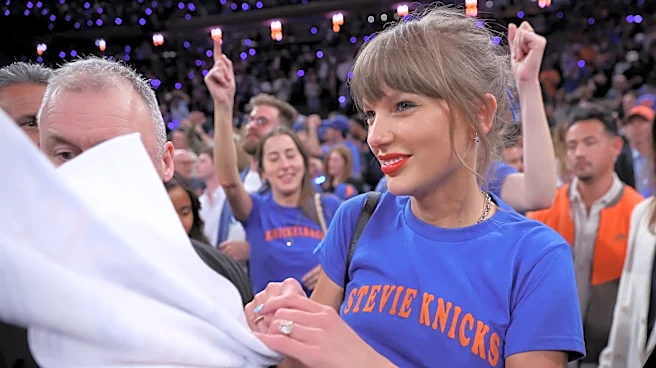
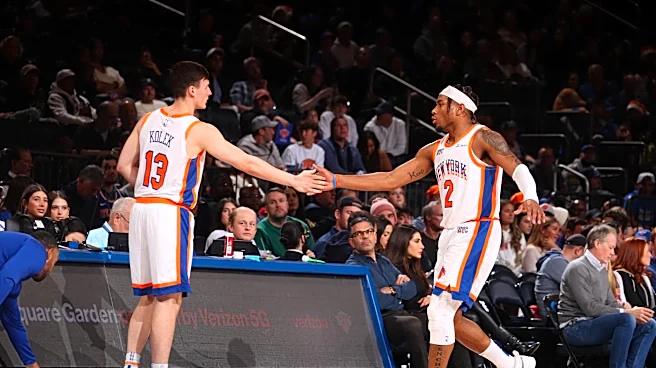
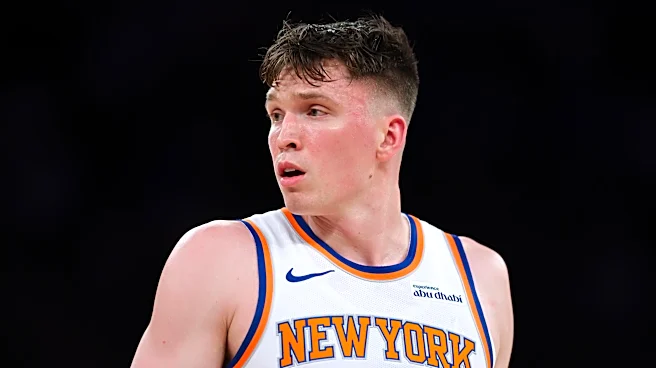
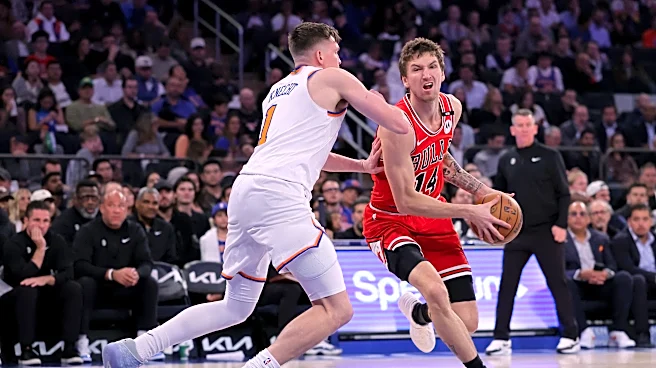
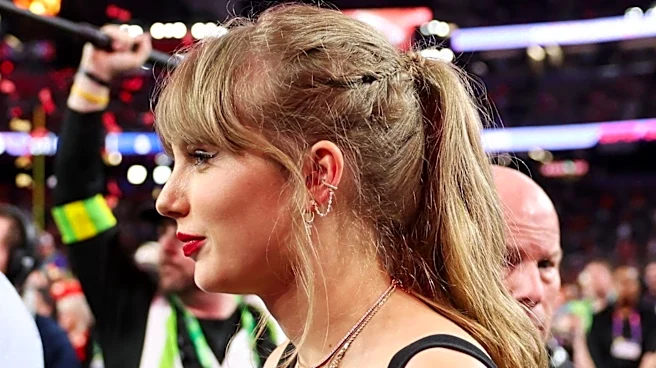
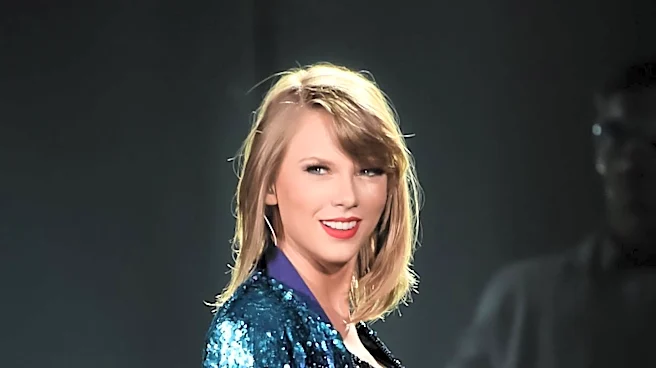
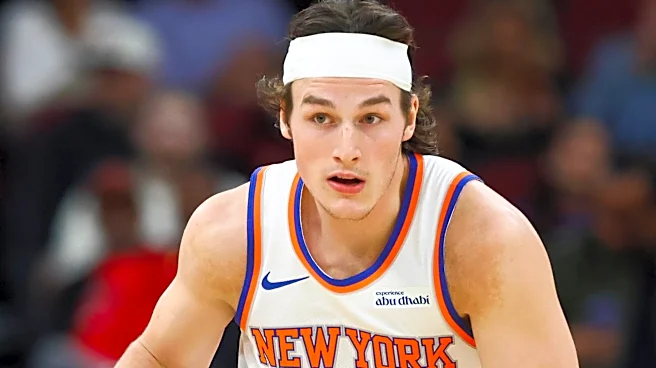
Knicks point guard Tyler Kolek has publicly called out Taylor Swift as the 'fakest' celebrity fan of the New York Knicks. During an NBA 2K TikTok livestream, Kolek and teammate Deuce McBride were asked to identify the fakest celebrity Knicks fan. Kolek stated
that many celebrities attend games for visibility rather than genuine fandom, specifically singling out Swift. He suggested her appearances were 'a little performative' and questioned her consistent attendance outside of the championship series. McBride concurred with Kolek's assessment, though he acknowledged the potential backlash from Swift's fanbase. The Knicks organization, however, issued a statement defending Swift, highlighting her long-standing history with Madison Square Garden and expressing appreciation for her support. Swift has been seen at Knicks games since the mid-2010s, with fan pages sharing throwback photos of her in team apparel alongside figures like Jimmy Fallon and former Knicks stars. Despite this, Kolek's comments have ignited a debate online, with some fans agreeing with his sentiment and others defending Swift's loyalty to the team.
Why It's Important?
This incident highlights the intersection of celebrity culture, sports fandom, and public perception. For sports teams, celebrity endorsements and attendance can significantly boost visibility and fan engagement, potentially translating into increased merchandise sales and media attention. However, Kolek's comments bring to light a common critique within fan communities: the authenticity of celebrity support. This debate can influence how fans perceive their team's celebrity followers, potentially creating divisions or reinforcing existing sentiments about who constitutes a 'true' fan. For celebrities like Taylor Swift, being labeled as 'performative' can impact their public image, especially among dedicated fan bases who value genuine connection. The Knicks' swift defense of Swift underscores the value they place on her association with the team, indicating that celebrity presence, regardless of perceived authenticity by some, is a valuable asset for sports franchises.
What's Next?
The immediate aftermath of Kolek's comments will likely involve continued discussion and debate across social media platforms, particularly among Knicks fans and Swift's fanbase, known as 'Swifties.' It is improbable that Taylor Swift will directly address Kolek's remarks, as celebrities often avoid engaging in such public spats. However, her future appearances at Knicks games, if any, will likely be scrutinized more closely by both fans and media, with observers looking for signs to either confirm or refute Kolek's 'performative' label. The Knicks organization has already made its stance clear, indicating continued appreciation for Swift's support. This event may also prompt other athletes or public figures to weigh in on the authenticity of celebrity sports fandom, potentially sparking broader conversations about the role of celebrities in sports culture.
Beyond the Headlines
This situation delves into the broader cultural phenomenon of celebrity influence in sports and the evolving nature of fandom in the digital age. The concept of 'performative' fandom raises questions about the commodification of celebrity presence at sporting events, where attendance can be as much about personal branding and visibility as it is about genuine support for a team. It also touches upon the power dynamics between athletes, who are often seen as the authentic core of a team, and celebrities, whose involvement can sometimes be viewed with skepticism. The swift and strong reaction from both sides—those agreeing with Kolek and those defending Swift—underscores the passionate and often territorial nature of sports fandom. This incident serves as a micro-example of how public figures navigate the complex landscape of public perception, where every action, even attending a basketball game, can be interpreted and debated by a global audience.