






What's Happening?
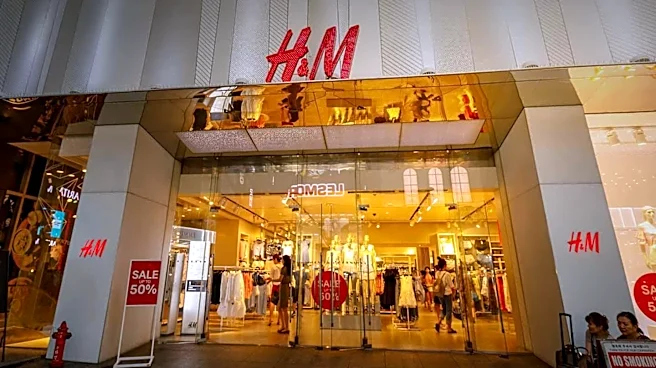
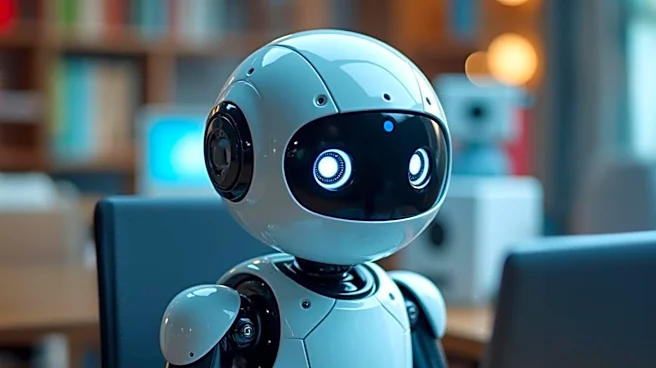
H&M, the global fashion retailer, is implementing an online assessment tool called Maki for skills-based selection of sales advisor applicants in some of its U.S. stores. This tool, which is not an automated decision-making system, uses an AI-created
avatar to present multiple-choice questions to candidates. These questions are designed by the H&M hiring team to evaluate a candidate's ability to perform the job duties. The assessment calculates a total score based on predefined point values. The hiring team then reviews the entire application, including the assessment score, to determine whether to advance a candidate to the next stage. Completing the assessment is optional, and applicants can request an alternative assessment method if they have difficulties or concerns. H&M emphasizes that choosing an alternative method will not affect a candidate's chances of being considered for the position.
Why It's Important?
The adoption of AI-powered assessment tools by major retailers like H&M signifies a growing trend in the U.S. job market, particularly in high-volume hiring roles. This shift could streamline the initial screening process, potentially reducing the time and resources spent on traditional application reviews. For job seekers, it means adapting to new methods of demonstrating their skills, where performance on a digital assessment might become a crucial factor. While H&M states the tool is not fully automated and allows for alternative methods, the reliance on AI in early stages of hiring raises questions about potential biases inherent in algorithms and the fairness of such systems. Companies stand to gain efficiency, but they also face the responsibility of ensuring these tools are equitable and do not inadvertently disadvantage certain groups of applicants.
What's Next?
As H&M continues to roll out and utilize the Maki assessment tool, its effectiveness and fairness will likely be subject to scrutiny. The company will need to monitor the tool's impact on diversity and inclusion in its hiring practices. Other retailers in the U.S. may observe H&M's experience to inform their own adoption of similar AI-driven hiring technologies. For job applicants, understanding how to navigate these new assessment methods will become increasingly important. H&M's commitment to providing alternative assessment methods suggests an ongoing effort to balance technological efficiency with equitable hiring practices, and future adjustments to their process may occur based on feedback and outcomes.
Beyond the Headlines
The integration of AI into hiring processes, as seen with H&M's Maki tool, extends beyond mere efficiency; it touches upon broader ethical and legal considerations in the U.S. labor market. The use of AI avatars and predefined scoring systems, even if not fully automated, introduces a layer of algorithmic decision-making that could have subtle, yet significant, impacts on who gets hired. There's a continuous debate about the potential for AI to perpetuate or even amplify existing biases if not carefully designed and monitored. This development also highlights the evolving nature of work and recruitment, pushing companies to consider not just what skills candidates possess, but also how those skills are assessed in a technologically advanced environment, while simultaneously upholding principles of fairness and equal opportunity.