



What's Happening?
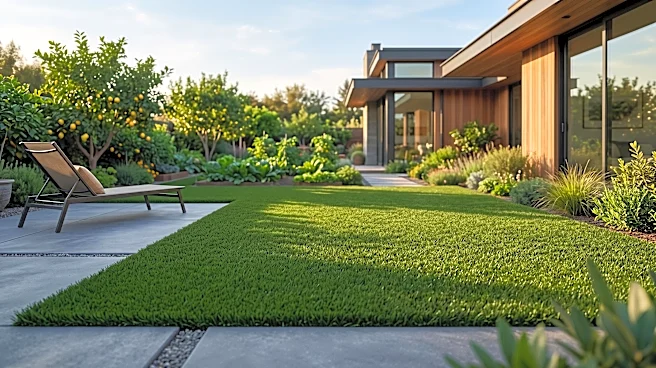
Nevy Jackson, a homeowner in Ongata Rongai, Kajiado County, has replaced his natural Pemba grass lawn with artificial turf at his residence, Thee Mani Mansion. The project, costing nearly Sh1 million, involved installing 165 square meters of high-end
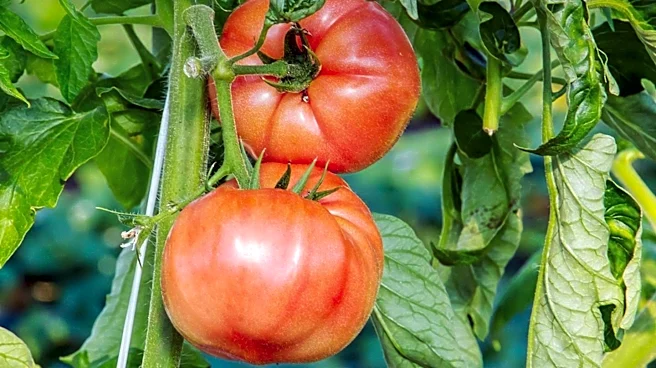
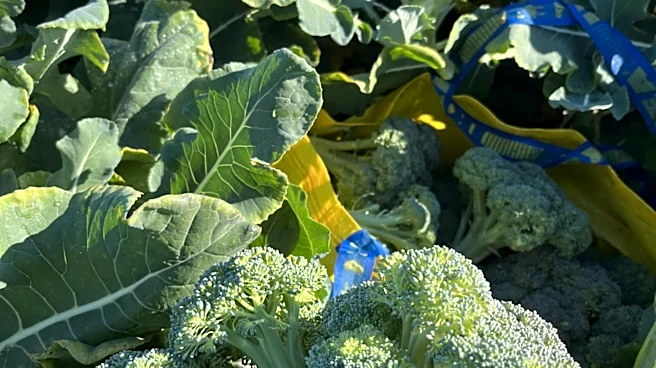
artificial turf. Jackson cited the high maintenance costs and effort associated with natural grass, including constant watering, weeding, trimming, and top-dressing, as primary reasons for the switch. He had initially planted Pemba grass for his children to play on but found the upkeep too demanding. The decision was also influenced by his prior positive experience with artificial turf installed in his primary lounge. Despite concerns from others regarding environmental impact and the loss of natural elements like birds, Jackson maintains that his property still features extensive natural vegetation, including a thriving vegetable and fruit garden with apples, passion fruits, avocados, pomegranates, bananas, strawberries, and lemons.
Why It's Important?
This development highlights a growing trend in landscaping, particularly in regions where water conservation and reduced maintenance are becoming increasingly important. The significant investment made by Jackson in artificial turf, coupled with his organic fruit and vegetable garden, showcases a hybrid approach to home landscaping that balances aesthetic appeal with practical considerations. For U.S. homeowners and the landscaping industry, this trend could signal a shift towards more sustainable and low-maintenance outdoor solutions, especially in areas prone to drought or with high labor costs for garden upkeep. The debate over the environmental impact of artificial turf versus natural lawns, including water usage and biodiversity, is a relevant discussion that could influence future landscaping choices and product development in the U.S. market. The emphasis on organic produce grown on-site also reflects a broader consumer interest in self-sufficiency and healthy living.
What's Next?
Jackson plans to continue sharing landscaping tips and advice on his Facebook profile, which could further influence homeowners considering similar transitions. The increasing acceptance of artificial landscaping, as noted by Jackson, suggests a potential rise in demand for artificial turf products and installation services. This could lead to innovations in artificial turf technology, focusing on durability, environmental friendliness, and aesthetic realism. Homeowners in the U.S. might see more options for hybrid landscaping, combining artificial elements with natural gardens to achieve both beauty and practicality. The discussion around the environmental implications of artificial turf will likely continue, prompting manufacturers and consumers to consider factors like material sourcing, recyclability, and proper installation techniques to mitigate potential negative impacts. The success of Jackson's organic garden alongside his artificial lawn could also inspire more integrated approaches to home food production.
Beyond the Headlines
The shift from natural to artificial lawns, as exemplified by Jackson's project, touches upon deeper societal and cultural values related to nature, convenience, and modern living. While traditional views often favor lush, natural lawns, the practical realities of maintenance, water scarcity, and lifestyle changes are driving a re-evaluation of these norms. The integration of an extensive organic vegetable and fruit garden alongside artificial turf suggests a nuanced approach where homeowners seek to retain the benefits of natural elements (like fresh produce) while minimizing the burdens of others (like lawn care). This trend could also reflect a broader consumer desire for control over their immediate environment, opting for predictable and low-effort solutions in an increasingly complex world. The ethical considerations of artificial materials, their lifecycle, and their impact on local ecosystems will remain a critical aspect of this evolving landscaping paradigm.