




What's Happening?
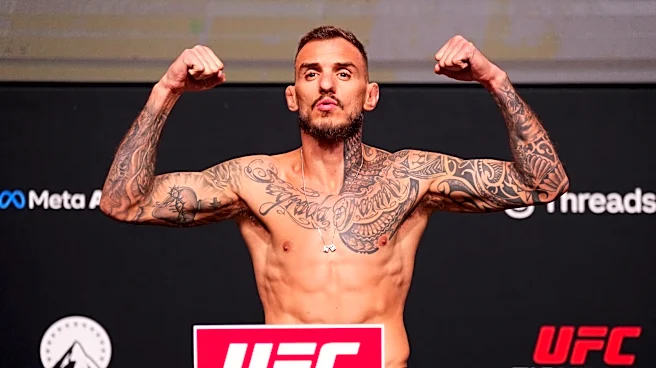
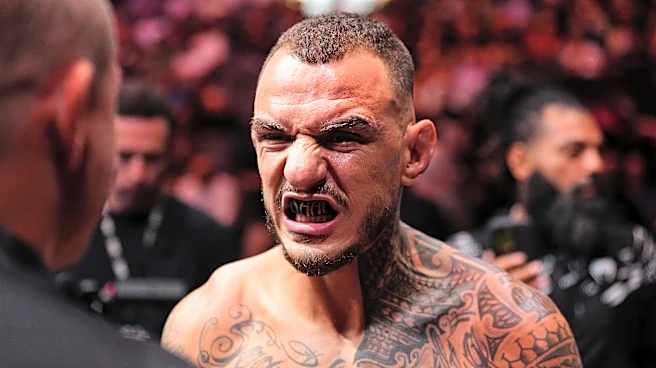
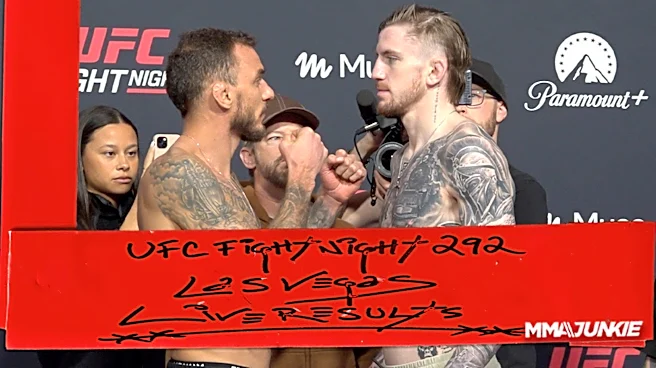
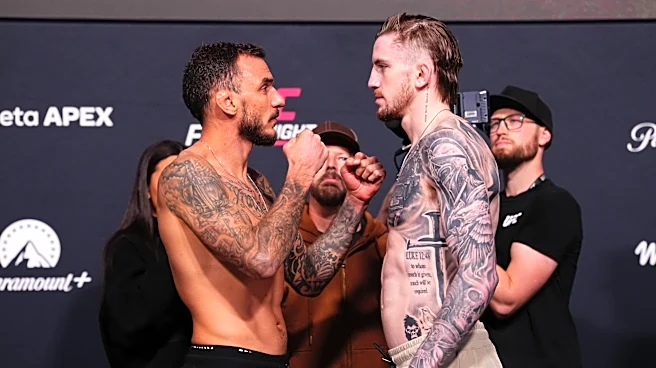
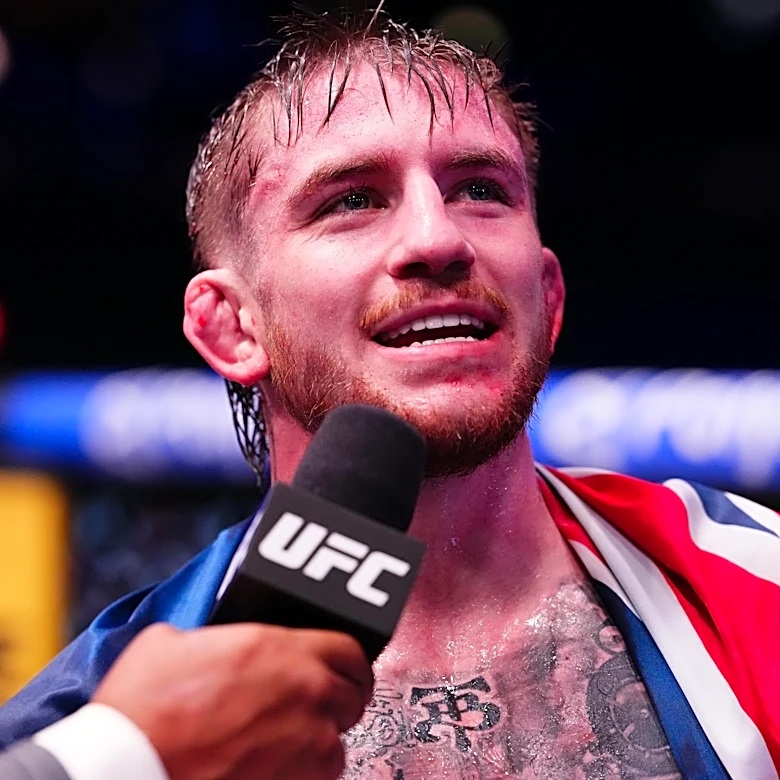
American mixed martial artist Julian Erosa, known as 'Juicy J,' announced his retirement from professional fighting after securing a first-round knockout victory over Jeong Yeong Lee at UFC Vegas 123 on October 31, 2026, in Las Vegas. Erosa finished the
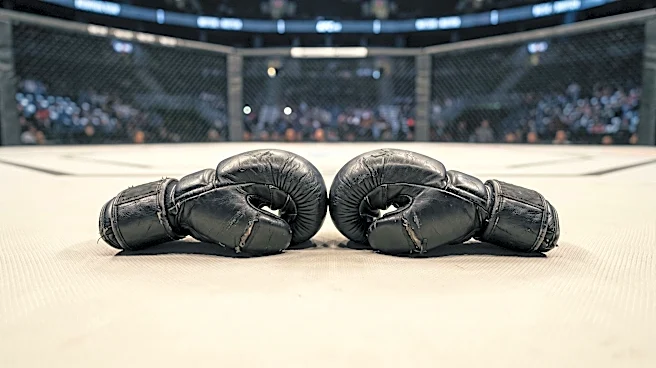
fight in 91 seconds and marked his retirement by leaving his gloves in the Octagon. This decision brought renewed attention to his family, particularly his parents, who supported his demanding career. Erosa had a challenging UFC journey, including setbacks and earning another contract through Dana White’s Contender Series in 2018 after defeating Jamal Emmers by knockout. His persistence became a defining feature of his career, culminating in a dramatic third-round submission victory against Sean Woodson in June 2020, which helped reestablish his place in the UFC. His final fight provided a memorable conclusion to his career, influenced by his desire to spend more time with his family after becoming a father.
Why It's Important?
Julian Erosa's retirement highlights the personal sacrifices and evolving priorities of professional athletes in high-stakes sports like MMA. His decision to step away from competition, driven by fatherhood and a desire for long-term health, reflects a growing trend among fighters to prioritize family and well-being over continued physical demands. This move could influence other athletes to consider their post-career plans and the balance between professional ambition and personal life. For the UFC, the departure of a veteran fighter like Erosa, who navigated both success and setbacks, underscores the constant turnover of talent and the need to develop new stars. His story also emphasizes the critical role of family support in sustaining a career in combat sports, offering a relatable narrative for fans and aspiring fighters alike. The emphasis on family values and health could also resonate with broader societal discussions about work-life balance.
What's Next?
Following his retirement, Julian Erosa plans to dedicate more time to his wife, Alaina Erosa, and their son, AJ, who was born in March 2024. Erosa has expressed intentions to return to Washington state to assist with the family farm, signifying a significant lifestyle change from his years of professional training and competing in Las Vegas. He aims to raise his son with the same encouragement and freedom his parents provided him, allowing AJ to explore his interests without pressure. While Erosa is open to introducing his son to Brazilian jiu-jitsu for discipline and confidence, he emphasizes that AJ should be free to pursue other activities. His retirement also reflects a desire to remain healthy and active for his family, looking forward to important milestones and future grandchildren, bringing his career full circle back to his family roots.
Beyond the Headlines
Erosa's retirement narrative extends beyond the immediate sporting event, touching upon deeper themes of identity, legacy, and the transition from a high-performance career to a family-focused life. His reflection on his parents' influence and his desire to replicate that upbringing for his son highlights the cyclical nature of family values and the impact of early life experiences on adult decisions. The challenges he faced in his UFC career, including injuries and repeated attempts to regain opportunities, provide a candid look into the physical and emotional toll of professional fighting. His decision to prioritize long-term health and family well-being over continued competition also raises questions about the support systems available to athletes as they transition out of their careers and the broader societal expectations placed upon them. This move could inspire conversations about mental health, post-career planning, and the definition of success beyond professional accolades.