



What's Happening?
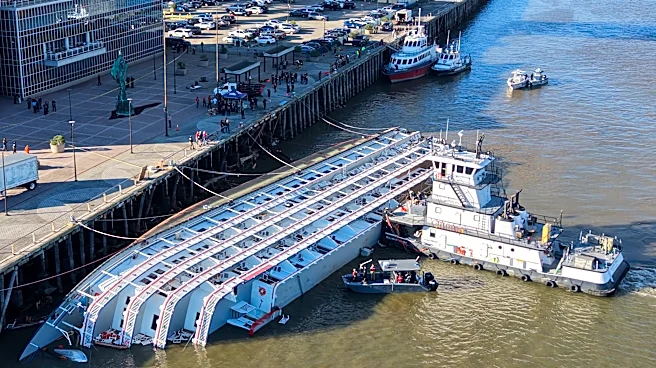
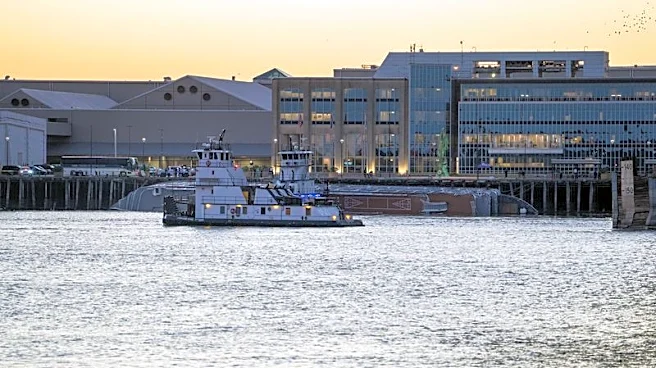
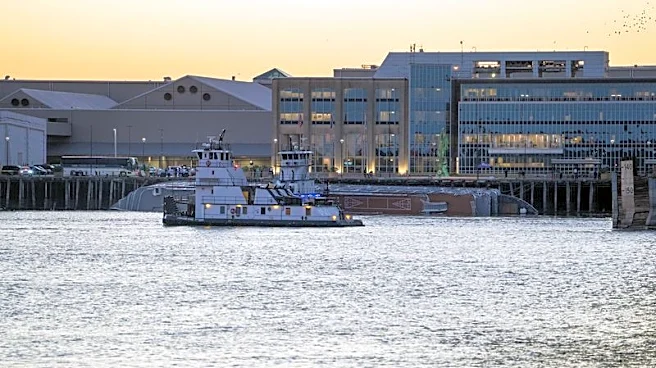
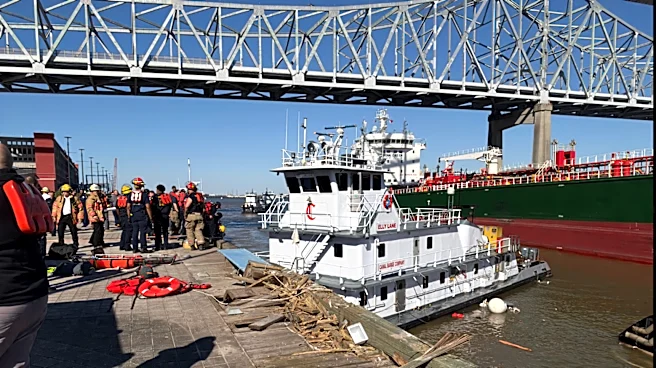
A significant legal battle is anticipated following the incident at the Port of New Orleans where the Atlantic Asphalt tanker lost steering and collided with the docked American Heritage cruise ship, causing it to capsize. The Port of New Orleans has
already filed for the arrest of the Atlantic Asphalt, a maritime procedure to impose a lien on the vessel and detain it until financial security for damages is posted; a federal court granted this request. The Atlantic Asphalt is owned by Nave Shipping, registered in Liberia, and operated by Singapore-based Thome Ship Management. James Mercante, head of admiralty litigation at Gallo Vitucci Klar, noted that the ownership structure is complex but the focus will be on the insurance companies behind the vessels. Claims are expected for the total loss of the American Heritage, personal injuries, damages and business interruption at the Port of New Orleans, and the substantial cost of salvaging the sunken cruise liner, which could amount to tens of millions of dollars.
Why It's Important?
This incident highlights the intricate legal and financial landscape of international maritime commerce. The immediate arrest of the Atlantic Asphalt demonstrates the swift legal mechanisms available in maritime law to secure potential claims, ensuring that responsible parties provide financial guarantees. The involvement of foreign-registered and operated vessels complicates the legal proceedings, emphasizing the role of international maritime insurance in covering such large-scale incidents. The anticipated claims for hull loss, personal injuries, business interruption, and salvage costs underscore the immense financial liabilities associated with major shipping accidents. This legal battle will set precedents and clarify responsibilities in complex maritime collisions, impacting insurance premiums, operational protocols, and risk management strategies for shipping companies globally, particularly those operating in U.S. waters. The outcome will also affect the Port of New Orleans, a critical economic hub, as it seeks compensation for damages and disruptions.
What's Next?
The legal process will move forward with the Atlantic Asphalt remaining under arrest until its insurance company posts adequate financial security, such as a letter of undertaking or a bond. Once security is posted, the vessel will likely be released to resume operations, while the litigation proceeds. This lawsuit is expected to be lengthy, potentially taking years to settle. Concurrently, the National Transportation Safety Board (NTSB) and the U.S. Coast Guard will continue their investigations into the collision, which will provide crucial evidence for the legal proceedings. Claims will be formally presented against the Atlantic Asphalt for the total loss of the American Heritage, personal injuries sustained, business interruption at the Port of New Orleans, and the significant costs associated with salvaging the capsized cruise ship. The Port of New Orleans will also be soliciting bids for marine salvors to remove the cruise liner from the Mississippi River.
Beyond the Headlines
The legal fallout from this collision extends beyond immediate financial compensation, touching upon broader issues of accountability in global shipping. The complex ownership structures, often involving multiple international entities, highlight the challenges in assigning liability and ensuring justice in maritime incidents. This case will likely scrutinize the adequacy of existing international maritime conventions and national laws in addressing such multi-jurisdictional disputes. Furthermore, the incident could influence future insurance market trends for maritime operations, potentially leading to increased premiums or more stringent policy requirements for vessels operating in high-traffic areas. The legal battle will also shed light on the economic valuation of business interruption for major ports and the environmental costs associated with salvage operations, potentially shaping future regulatory frameworks aimed at preventing similar occurrences and mitigating their wide-ranging impacts on U.S. commerce and ecosystems.