


What's Happening?
The 1990s were a pivotal decade for country music, marked by an explosion in popularity and the rise of artists who brought traditional sounds to a broader audience. Several male country singers were instrumental in defining this era, from crossover superstars
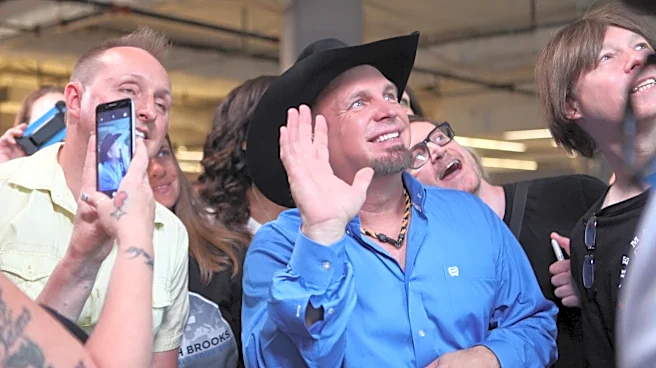
to honky-tonk favorites. Garth Brooks is highlighted for taking country music to new levels of mainstream success with his arena-rock energy and elaborate productions, exemplified by his 1990 hit 'Friends in Low Places.' George Strait maintained his status as a major star by adhering to traditional country with his smooth vocals and cowboy-hat style, with 'Check Yes or No' being a signature hit. Alan Jackson infused traditional country with fresh energy, honky-tonk influences, and memorable songwriting, making 'Chattahoochee' an iconic '90s country anthem. Sammy Kershaw contributed a Louisiana flavor, delivering both heartfelt ballads and playful story songs like 'She Don't Know She's Beautiful' and 'Queen of My Double Wide Trailer.' Tim McGraw helped transition country music into its next phase in the latter half of the decade with his polished sound and charismatic stage presence, establishing himself as a leading figure.
Why It's Important?
The contributions of these artists in the 1990s were crucial in expanding country music's commercial appeal and solidifying its place in mainstream American culture. Their diverse styles, ranging from traditional honky-tonk to more polished country-pop, broadened the genre's audience and influenced subsequent generations of musicians. Garth Brooks's innovative approach to live performances and audience connection set new standards for country music's commercial viability, demonstrating its potential for stadium-filling success. George Strait and Alan Jackson's commitment to traditional sounds ensured that the genre's roots remained strong amidst its growing popularity, appealing to both long-time fans and new listeners. Tim McGraw's emergence signaled a shift towards a more contemporary sound, paving the way for country music's continued evolution and crossover success in the 2000s and beyond. The decade's success created a robust market for country music, impacting record sales, radio programming, and live entertainment across the U.S.
What's Next?
The legacy of these 1990s country music icons continues to influence the genre. Their music remains popular on country radio and streaming platforms, and many of these artists continue to tour and release new material, drawing large audiences. The blend of traditional and contemporary sounds they pioneered has become a blueprint for modern country artists seeking mainstream success while honoring the genre's heritage. Future country music artists will likely continue to draw inspiration from the '90s era, balancing innovation with a respect for the foundational elements established by these influential figures. The commercial strategies and artistic approaches developed during this period will likely remain relevant as the country music industry navigates evolving consumption habits and new technologies.
Beyond the Headlines
The 1990s country music boom, largely driven by these male artists, also reflected broader cultural shifts in the U.S., including a resurgence of interest in Americana and a desire for music that resonated with themes of rural life, community, and straightforward storytelling. This era helped to diversify the perception of country music, moving it beyond regional confines to a national and even international audience. The emphasis on charismatic performers and engaging live shows also transformed the concert experience, making country music concerts major entertainment events. The enduring popularity of songs from this period in various public spaces, such as shopping malls and grocery stores, underscores their deep integration into the American cultural fabric, highlighting their timeless appeal and the lasting impact of these artists on popular music.