





What's Happening?
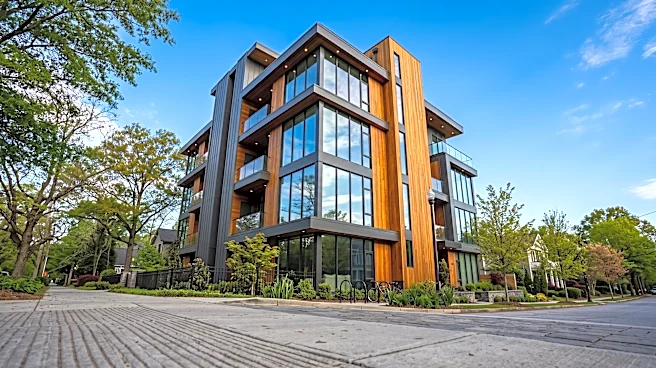
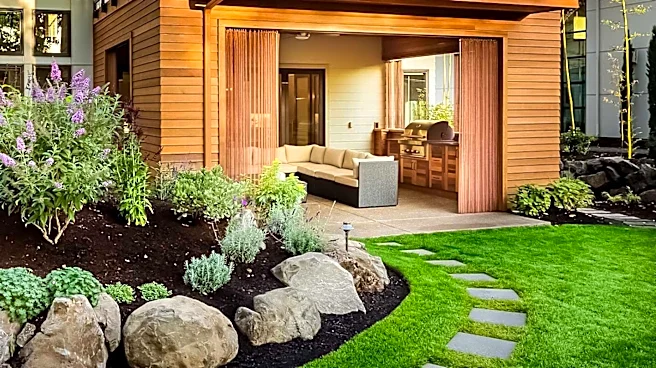
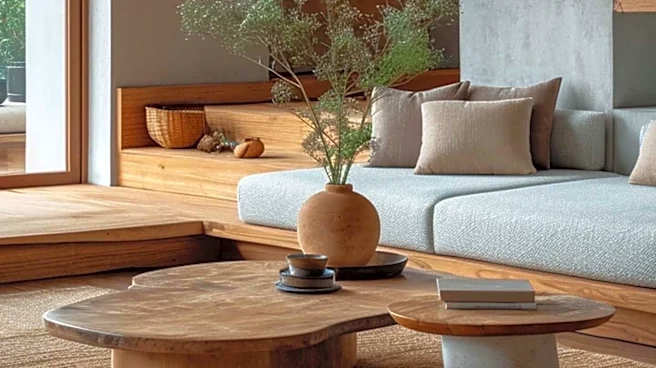
Outdoor Makeover & Living Spaces, a design firm based in Atlanta, is promoting a blended approach to outdoor design, combining modern and traditional elements. This transitional style aims to create outdoor environments that are both fresh and enduring,
moving away from designs that are strictly modern or traditional. The firm emphasizes that this approach is particularly relevant in Atlanta, where homes often feature a mix of architectural styles. Key aspects of this blended design include intentional contrast, proportion, and cohesion, rather than a compromise between styles. Homeowners are increasingly seeking longevity, flexibility, and designs that will not quickly become dated, which transitional outdoor design aims to provide by honoring architectural roots while introducing modern functionality.
Why It's Important?
This shift in outdoor design philosophy is important for the U.S. home improvement and landscaping industries. It signifies a growing consumer demand for more sophisticated and timeless outdoor spaces that integrate seamlessly with a home's existing architecture. For businesses like Outdoor Makeover & Living Spaces, this trend creates opportunities to offer specialized design services that cater to homeowners looking for curated, rather than trend-driven, outdoor environments. It also impacts manufacturers and suppliers of outdoor materials and furniture, as there will be an increased need for products that can bridge both modern and traditional aesthetics. Homeowners stand to gain from more adaptable and long-lasting outdoor investments, potentially increasing property values and enhancing lifestyle quality, while those who fail to adapt to this design evolution may find their offerings less appealing to a discerning market.
What's Next?
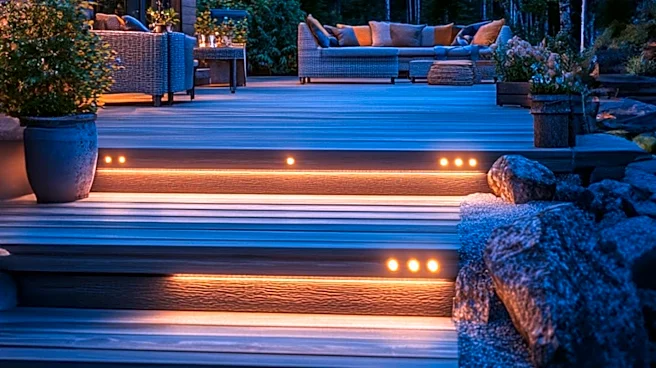
The trend towards blended outdoor design is expected to continue gaining momentum, influencing future product development and design practices in the U.S. outdoor living sector. Design firms will likely further refine their approaches to integrating diverse styles, focusing on material selection, structural elements, and lighting to achieve harmonious outdoor spaces. Consumers can anticipate a wider array of outdoor furniture and decor that features timeless materials and adaptable designs. Educational resources and professional guidance will become increasingly crucial for homeowners looking to implement this blended aesthetic effectively. The emphasis on longevity and adaptability suggests a move away from fast-changing trends, encouraging more thoughtful and sustainable investments in outdoor living areas.
Beyond the Headlines
Beyond the immediate aesthetic and market implications, the embrace of transitional outdoor design reflects a broader cultural shift towards valuing permanence and personal expression over fleeting trends. In an increasingly fast-paced world, homeowners are seeking stability and comfort in their living environments, extending this desire to their outdoor spaces. This design philosophy encourages a deeper connection between the home's interior and exterior, fostering a more holistic living experience. It also highlights an ethical dimension, as the focus on longevity and quality materials can lead to more sustainable consumption patterns, reducing the frequency of replacements and waste. The intentional blending of styles can also be seen as a reflection of a more diverse and inclusive society, where different influences are harmonized rather than kept separate.