







What's Happening?
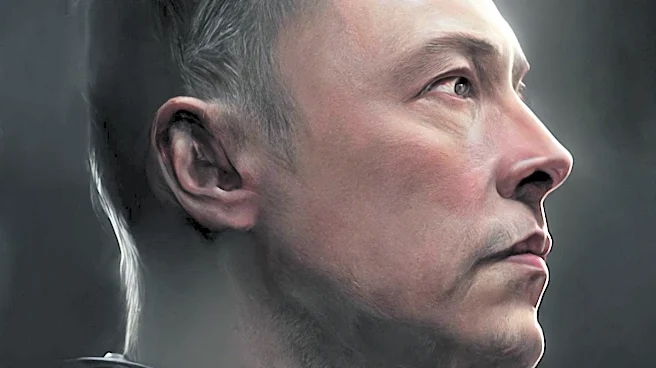
Several prominent figures are publicly criticizing their portrayals in upcoming films, creating controversy as awards season approaches. Elon Musk has reportedly taken legal action against a new documentary about him, 'Musk,' and publicly denounced it as a 'hit
piece.' Similarly, former 'To Catch a Predator' host Chris Hansen has voiced grievances regarding A24’s 'Primetime,' a film inspired by his career, citing a lack of involvement from him. These instances follow a pattern of real-life subjects disputing their onscreen depictions, raising questions about the balance between artistic license and factual accuracy, and the potential impact on a film's awards prospects. Historically, awards voters have often overlooked such controversies, but the increasing public nature of these disputes could shift perceptions.
Why It's Important?
This trend is significant for the entertainment industry, particularly for documentary and biographical filmmaking. It highlights the growing tension between filmmakers' creative freedom and the rights or perceptions of the individuals they portray. For studios and producers, it introduces potential legal and public relations challenges that could affect a film's release, reception, and financial success. For awards bodies, it presents a dilemma: should the accuracy or subject's approval influence nominations and wins, or should artistic merit remain the sole criterion? This debate impacts how stories are told, potentially leading to more cautious approaches to biographical content or, conversely, emboldening filmmakers to tackle controversial subjects despite potential backlash. It also underscores the power of public figures to influence narratives about themselves.
What's Next?
The legal actions and public criticisms from figures like Elon Musk and Chris Hansen could set new precedents for how filmmakers approach projects based on real people. We may see an increase in pre-production consultations with subjects, or, conversely, a more aggressive stance from filmmakers asserting their artistic independence. For the films 'Musk' and 'Primetime,' the controversies will likely generate significant media attention, which could either boost or hinder their awards season campaigns. Awards voters will face the challenge of evaluating these films based on their artistic merits while navigating the public discourse surrounding their accuracy and the subjects' objections. This situation could also lead to more discussions within the industry about ethical guidelines for biographical storytelling.
Beyond the Headlines
Beyond the immediate awards season implications, this phenomenon delves into deeper questions about truth, representation, and public perception in media. In an era of heightened scrutiny and instant public commentary via social media, the ability of individuals to challenge their portrayals has become more potent. This raises ethical considerations for documentarians and biographers: what is their responsibility to the subject versus their responsibility to the audience and historical accuracy? It also touches on the legal boundaries of defamation and artistic expression. The ongoing disputes could influence audience expectations, making them more critical of biographical films and potentially leading to a demand for greater transparency in the filmmaking process. This trend reflects a broader societal shift where individuals are increasingly empowered to control their own narratives.