






What's Happening?
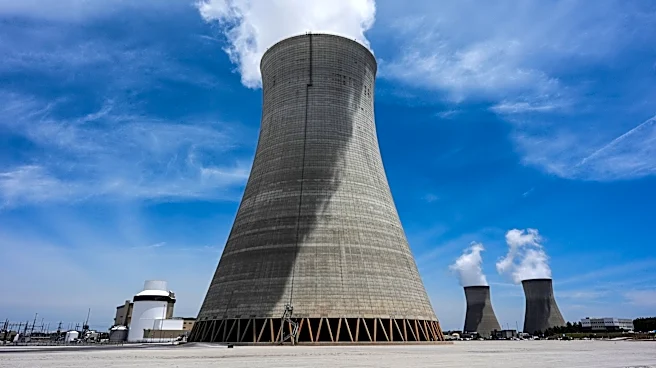
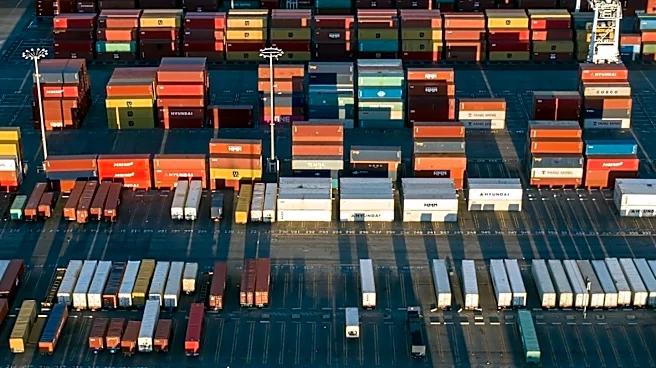
The U.S. Maritime Administration (MARAD) and the Port of Long Beach have signed a Memorandum of Cooperation to explore the use of advanced nuclear technologies in commercial shipping. This agreement involves collaboration with the U.S. Coast Guard, Department
of Energy, and Nuclear Regulatory Commission to address safety, emergency response, and regulatory issues related to small modular reactors. While it does not authorize nuclear-powered ships, it marks a step towards integrating nuclear technology into maritime operations.
Why It's Important?
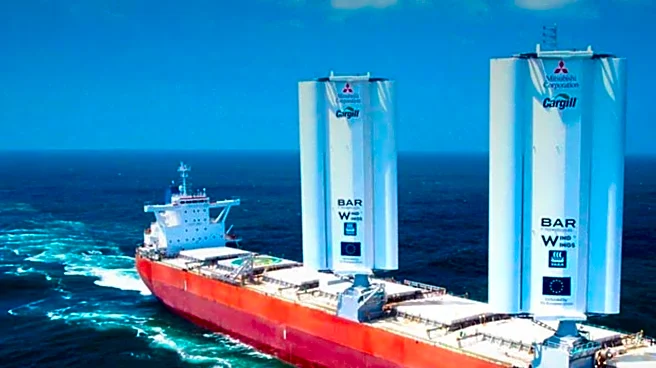
The exploration of nuclear technology in shipping could revolutionize the maritime industry by providing a cleaner and more efficient energy source. As global shipping faces pressure to reduce emissions, nuclear propulsion offers a potential solution. However, significant regulatory, safety, and public acceptance challenges remain. This initiative reflects a growing recognition of the need to advance regulatory frameworks and port readiness to accommodate nuclear-powered vessels.
Beyond the Headlines
The integration of nuclear technology in shipping raises complex legal and insurance issues, as there is no international treaty governing liability for nuclear-powered ships. Addressing these challenges will be crucial for the successful deployment of nuclear propulsion in the maritime sector. The initiative also highlights the need for international cooperation and updated regulatory standards to support the safe and effective use of nuclear technology in shipping.