









What's Happening?
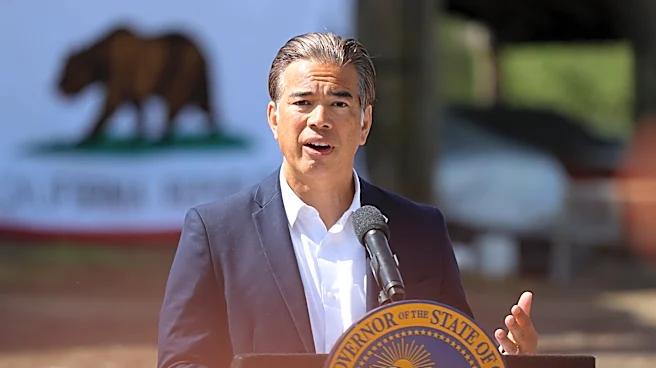
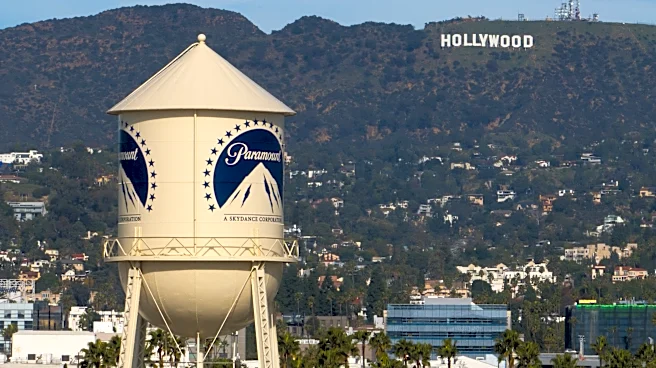
Executives at Paramount and Warner Bros. Discovery are concerned that a judge may temporarily halt their $110 billion merger due to antitrust concerns. A coalition of 12 Democratic state attorneys general has requested a temporary restraining order to block
the acquisition, arguing that the merger would violate antitrust laws by giving the combined company control over nearly one-third of the U.S. theatrical film distribution market and basic cable programming. The Federal Communications Commission Chair, Brendan Carr, expressed skepticism about the lawsuit's success, labeling it as not a legitimate antitrust case. Despite these legal challenges, Paramount remains optimistic about closing the deal by September.
Why It's Important?
The potential halt of the Paramount and Warner Bros. merger could have significant implications for the U.S. media landscape. If the merger proceeds, it would consolidate a substantial portion of the film and cable markets under one entity, potentially reducing competition and impacting consumer prices. The legal challenges highlight ongoing concerns about media consolidation and its effects on market dynamics and consumer choice. The outcome of this case could set a precedent for future media mergers and acquisitions, influencing regulatory approaches and industry strategies.
What's Next?
A federal judge in California is set to hear the request for a temporary restraining order. If granted, the merger could be delayed for weeks, pushing the companies closer to a costly deadline. Paramount has indicated its willingness to appeal any unfavorable decisions, potentially taking the case to the Supreme Court. The ongoing legal battles, including lawsuits from the Writers Guild of America and Paramount investors, suggest that the merger will face continued scrutiny and opposition.