









What's Happening?
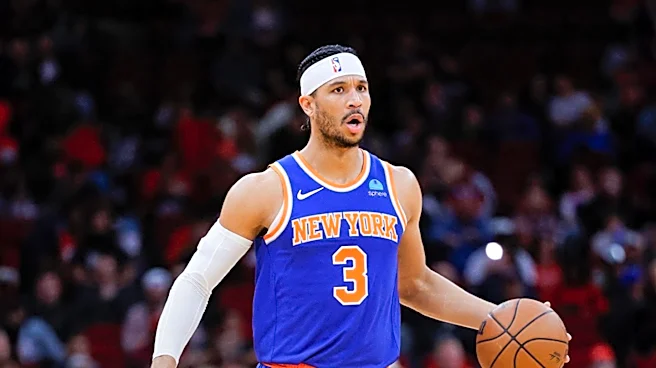
Mitchell Robinson, a veteran center for the New York Knicks, recently disclosed the circumstances surrounding a hand injury he sustained during the team's NBA championship run. Robinson explained on Facebook that the injury occurred when he accidentally
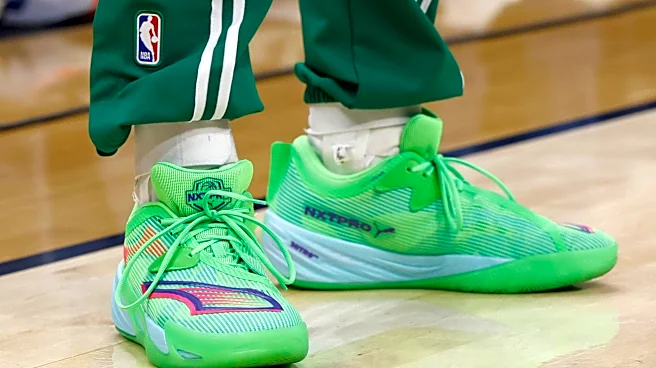
hit his hand on his truck after receiving distressing news about his youngest brother's involvement in a serious car accident. The emotional turmoil and panic he experienced upon learning about his brother's condition led to the incident. Despite undergoing surgery to repair a fracture in his right hand, Robinson participated in all five games of the NBA Finals, albeit with limited impact. Following the championship, Robinson secured a three-year contract with the Boston Celtics worth $47.4 million, marking a significant career move.
Why It's Important?
Robinson's injury and subsequent contract with the Celtics highlight the personal challenges athletes face and the impact of such events on their professional careers. His decision to join the Celtics, despite a desire to remain with the Knicks, underscores the financial and strategic considerations teams must navigate, particularly concerning salary cap constraints. The Knicks' inability to match Boston's offer due to luxury tax implications illustrates the complex financial landscape of the NBA, where teams must balance talent retention with fiscal responsibility. Robinson's move could influence team dynamics and performance in the upcoming season, affecting both the Knicks and the Celtics' competitive standings.
What's Next?
As Robinson transitions to the Celtics, both he and the team will focus on integrating him into their roster and maximizing his contributions. The Knicks, on the other hand, will need to address the gap left by Robinson's departure and explore potential roster adjustments to maintain their competitive edge. The broader NBA community will be watching how Robinson's performance with the Celtics unfolds and whether the Knicks can effectively manage their salary cap to strengthen their lineup. This situation may prompt other teams to reassess their financial strategies and player contracts in light of luxury tax considerations.