







What's Happening?
Dubrovnik Airport, officially known as Ruđer Bošković Airport, is prioritizing seamless digital solutions and authentic human hospitality to enhance the passenger experience. CEO Viktor Sober highlights that the airport handles over three million passengers
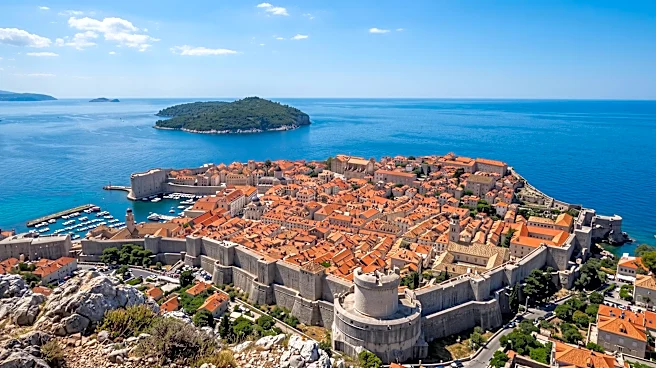
annually, serving as a crucial gateway to southern Croatia, with nearly 80% of visitors to the region passing through its terminals. The airport is implementing advanced digital tools, such as the AI-driven WorldTracer® Bag Mate service developed with SITA, which resolves approximately 80% of lost baggage cases instantly. Additionally, new check-in and baggage systems and next-generation security equipment are being rolled out to streamline processes. Sober emphasizes that while operational efficiency is critical, the airport's role extends to creating a positive first and last impression of Croatia. The airport has also launched a free AI travel guide on WhatsApp, 'Hidden Worlds,' in collaboration with the City of Dubrovnik, to help visitors explore the city's extensive history beyond typical tourist spots. This initiative aims to build trust-based relationships with travelers and encourage repeat visits.
Why It's Important?
The strategic focus on digitalization and hospitality at Dubrovnik Airport is significant for the U.S. travel industry and American tourists. With direct summer flights connecting Dubrovnik to New York, the airport's enhanced services directly impact the travel experience for U.S. citizens. Improved baggage handling, efficient security, and streamlined check-in processes can reduce stress and delays for American travelers, making Croatia a more attractive destination. The 'Hidden Worlds' AI travel guide offers a unique value proposition, providing U.S. tourists with deeper cultural engagement and a more personalized exploration of Dubrovnik's historical sites, potentially increasing tourist satisfaction and repeat visits. For U.S. airlines operating routes to Dubrovnik, the airport's commitment to modern, efficient service can contribute to smoother operations and better customer feedback. Furthermore, the airport's approach to combining technology with authentic local character sets a precedent for other international airports, including those in the U.S., on how to balance modernization with cultural identity in the competitive global tourism market. The emphasis on building revenue through trust, rather than transactional interactions, could also influence how U.S. travel businesses approach customer engagement in international partnerships.
What's Next?
Dubrovnik Airport has outlined a Master Plan for 2025 through 2045, which will guide two decades of growth and infrastructure development. This plan aims to strengthen capacity and resilience to comfortably manage peak season demand without compromising comfort or efficiency. On the digital front, the airport's ambition is to create a journey with minimal friction, leveraging technology to eliminate unnecessary stops, queues, and uncertainties. The airport will continue to invest in its workforce, focusing on training and creating long-term career opportunities to retain local talent, especially given the seasonal nature of tourism. Future developments will likely see further integration of advanced passenger-centric technology, allowing staff to concentrate on human-centric hospitality. The success of initiatives like 'Hidden Worlds' may lead to the development of similar digital engagement tools, further solidifying the airport's role as a contributor to the local community and a standard-setter in the aviation industry. The airport's ongoing structural changes to comply with national regulations on ground handling services, in preparation for market liberalization, indicate a continuous evolution of its operational framework.
Beyond the Headlines
The approach taken by Dubrovnik Airport extends beyond mere operational improvements, touching upon deeper implications for the future of travel and tourism. By integrating advanced technology with a strong emphasis on local authenticity and human hospitality, the airport is redefining the gateway experience. This model suggests a shift from airports as purely logistical hubs to active cultural ambassadors, where the first impression of a country is carefully curated. The 'Hidden Worlds' initiative, for instance, highlights an ethical dimension by encouraging tourists to explore the rich, often overlooked, history of Dubrovnik, fostering a more meaningful and respectful engagement with the destination. This could inspire other tourist-heavy regions globally, including those frequented by U.S. travelers, to develop similar programs that promote deeper cultural immersion rather than superficial tourism. Furthermore, the airport's strategy to combat seasonality through intelligent operations and digital tools offers a blueprint for other destinations facing similar challenges, potentially leading to more sustainable tourism models worldwide. The focus on employee development and pride in their work also underscores the importance of human capital in an increasingly automated industry, suggesting that technology should augment, rather than replace, the human element in service delivery.