




What's Happening?
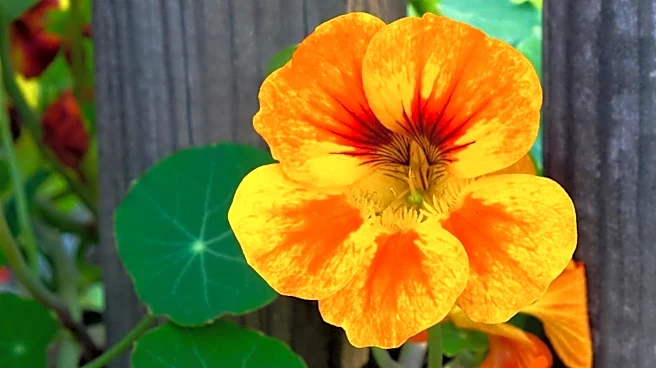
Nasturtiums (Tropaeolum majus) are highly beneficial plants for vegetable gardens, serving multiple ecological roles. These flowers, with their distinctive round leaves and vibrant orange, red, and yellow blooms, act as trap crops, luring pests like black
bean aphids, flea beetles, and cabbage white caterpillars away from valuable vegetables. Beyond pest diversion, nasturtiums function as living mulch, with their trailing varieties forming a dense green carpet that shades the soil, reduces evaporation, and smothers weeds. They also attract beneficial insects such as bumblebees, hummingbirds, ladybugs, and lacewing larvae, which aid in pollination and natural pest control. Additionally, all above-ground parts of the nasturtium are edible, offering a peppery flavor for culinary use.
Why It's Important?
The integration of nasturtiums into vegetable gardens represents a practical and sustainable approach to gardening, reducing the reliance on chemical pesticides and promoting biodiversity. This method aligns with organic farming principles, which are gaining traction due to increasing consumer demand for chemical-free produce and environmental concerns. For home gardeners and small-scale farmers, nasturtiums offer an economical and effective way to manage pests, improve soil health, and enhance crop yields. The plant's ability to attract pollinators is crucial for the reproduction of many food crops, contributing to overall garden productivity. Furthermore, the edible nature of nasturtiums adds a dual benefit, providing both garden utility and a culinary ingredient, thereby maximizing the value of garden space.
What's Next?
Gardeners are encouraged to incorporate nasturtiums into their planting schemes, particularly around susceptible crops like corn, pole beans, tomatoes, and brassicas. Sowing seeds 12–18 inches apart around established plants, or 36–60 inches from the main crop for trap cropping, is recommended. Regular monitoring of nasturtium plants for pest buildup is essential, with infested shoots needing to be removed to prevent them from becoming pest nurseries. In autumn, frost-killed foliage can be left to decompose, returning organic matter to the soil. This natural pest management strategy, combined with other practices like crop rotation, can lead to healthier and more productive gardens.
Beyond the Headlines
The multifaceted benefits of nasturtiums highlight the intricate ecological relationships within a garden ecosystem. This approach, often termed 'companion planting,' underscores a shift from monoculture to polyculture, where diverse plant species work together to create a more resilient and self-sustaining environment. The use of nasturtiums as a natural pest deterrent and beneficial insect attractor exemplifies how ecological principles can be applied to practical gardening, fostering a deeper understanding of natural processes. This method not only yields healthier produce but also contributes to the overall ecological health of the landscape, supporting local wildlife and reducing the environmental footprint of food production. It encourages a holistic view of gardening, where every plant plays a role in the larger system.