

What's Happening?
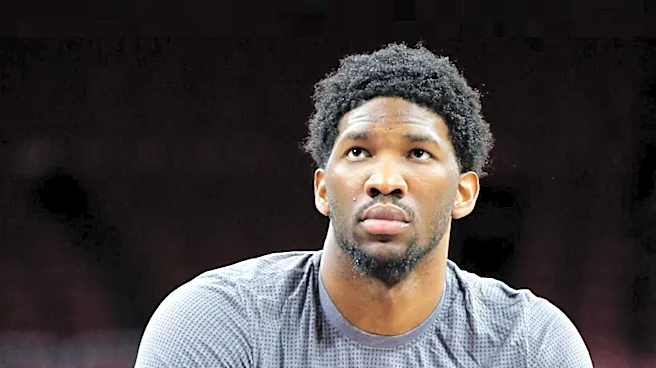
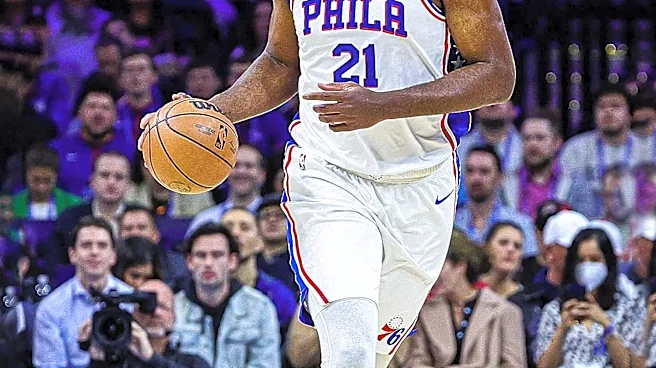
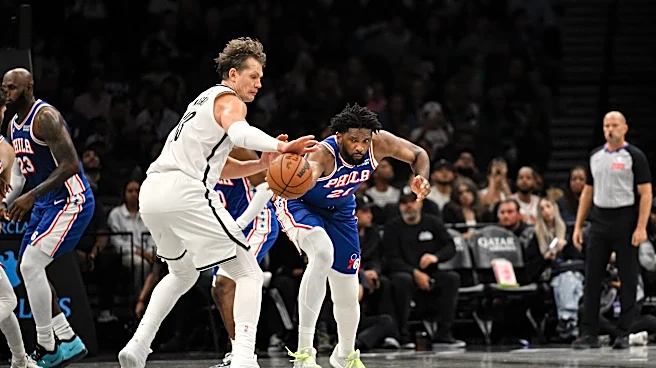
Philadelphia 76ers center Joel Embiid has publicly denied a widely circulated rumor that LeBron James reprimanded him for being late to practice. The story gained traction after commentator Mike Breen mentioned it during a preseason game between the 76ers and the New
York Knicks. Breen had claimed that Embiid arrived a few minutes late to a practice session and James immediately addressed the issue in front of the team. However, James quickly refuted this account, and Breen later apologized, admitting he had relayed information that should not have been shared in that manner. Embiid has now added his voice to the denials, stating he has no idea where the story originated and confirming that the alleged incident never occurred. This marks a collective dismissal of the rumor by all parties involved, including 76ers coach Nick Nurse, who also stated he saw nothing to corroborate the story.
Why It's Important?
This incident highlights the rapid spread of unverified information in the sports media landscape, particularly concerning high-profile athletes like Joel Embiid and LeBron James. The quick dissemination of such stories, even when based on secondhand accounts, can create unnecessary controversy and potentially impact team dynamics or public perception. For the Philadelphia 76ers, it's crucial to quash such rumors early, especially as they integrate new players and build team chemistry ahead of the regular season. Unfounded reports can distract from on-court performance and create a negative narrative. The swift denials from James, Breen, Nurse, and now Embiid help to maintain focus on the team's preparation and prevent external speculation from becoming a disruptive factor within the organization.
What's Next?
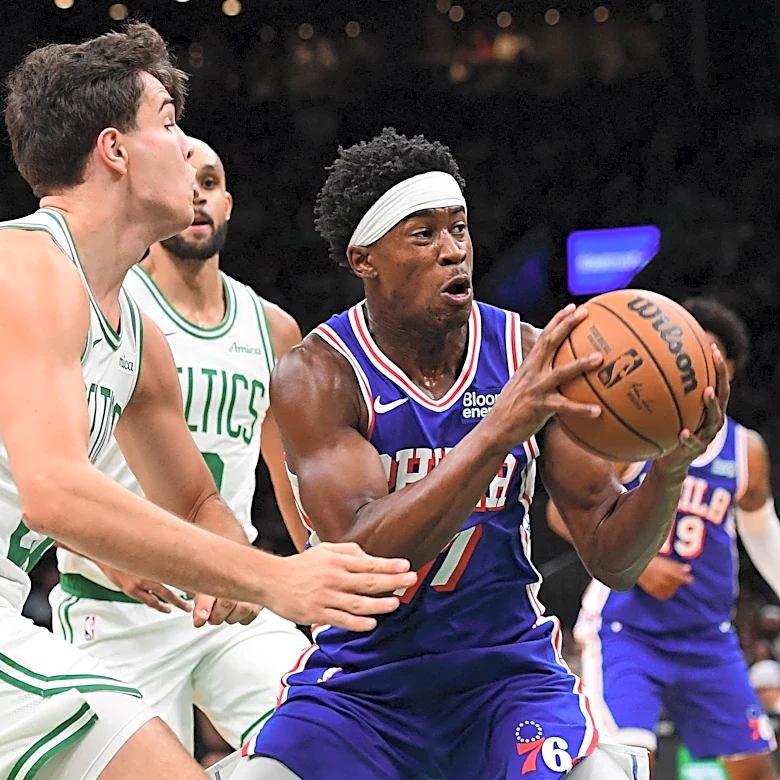
With Joel Embiid's definitive denial, this particular preseason controversy is likely to be put to rest. The Philadelphia 76ers are scheduled to continue their preseason preparations, with their next game against the Boston Celtics. The focus will now shift back to the team's performance on the court and their readiness for the upcoming NBA season. Stakeholders, including fans and media, will be looking for the team to demonstrate cohesion and strong play, rather than dwelling on off-court rumors. The incident serves as a reminder for media outlets to verify information rigorously before broadcasting, especially when it involves sensitive team matters or player conduct.
Beyond the Headlines
The rapid rise and fall of this rumor underscore broader issues within sports journalism and the consumption of news in the digital age. The immediate virality of a story, even one based on a single commentator's anecdote, demonstrates the power of narrative over verified fact in the initial stages of information dissemination. It also touches upon the pressure on commentators to provide engaging content, which can sometimes lead to the sharing of unconfirmed stories. For athletes, it highlights the constant scrutiny they face and the need for quick, unified responses to control narratives that could otherwise spiral. This event could prompt further discussions within sports media about journalistic ethics, source verification, and the responsibility of broadcasters in shaping public perception of players and teams.