



What's Happening?
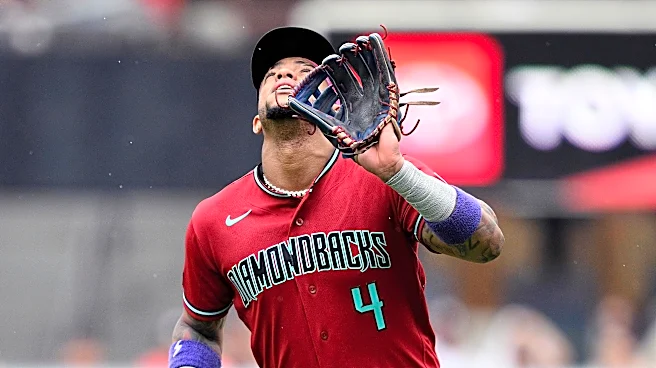
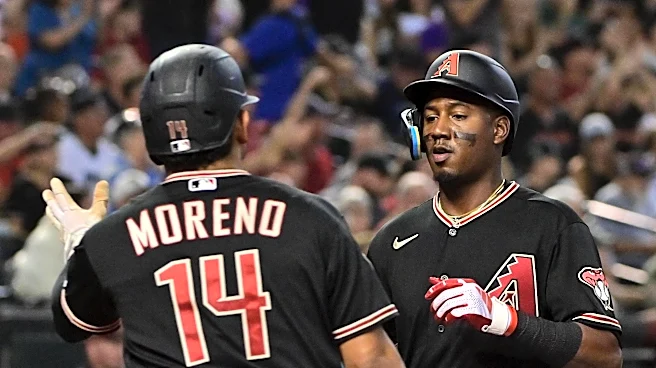
The Arizona Diamondbacks are reportedly more motivated to trade second baseman Ketel Marte this offseason, according to MLB insider Bob Nightengale. This increased motivation stems from Marte's repeated behavioral issues and communication breakdowns with
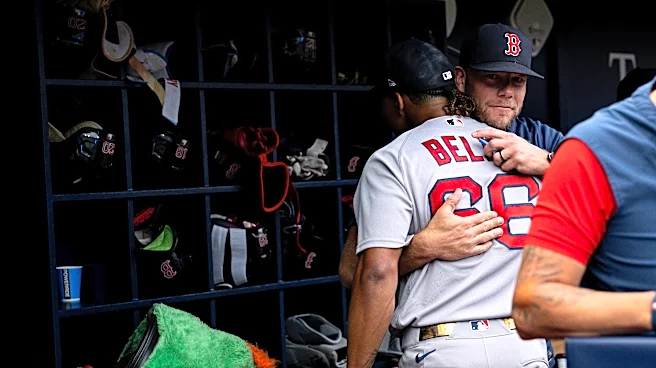
the team over multiple seasons. In August 2026, Marte failed to report for a game against the Boston Red Sox at Fenway Park, traveling to Arizona for a knee MRI without informing the team. He was later seen at a casino while the Diamondbacks were playing, an incident that manager Torey Lovullo described as feeling 'betrayed' by. Team president Derrick Hall also stated Marte had 'explaining to do.' This was not an isolated event; Marte faced scrutiny in 2025 for an unannounced vacation to the Dominican Republic that led to a restricted-list stint and public apology. Anonymous teammates have referred to this pattern as 'typical Ketel,' and Lovullo has indicated he will no longer shield Marte from accountability. Despite a decline in production in 2026, Marte remains under contract through 2030 with approximately $87.5 million remaining and possesses full no-trade protection, requiring his approval for any deal.
Why It's Important?
The potential trade of Ketel Marte carries significant implications for both the Arizona Diamondbacks and any acquiring team. For the Diamondbacks, moving Marte would signal a shift in team culture and a willingness to part with a talented but problematic player to improve clubhouse dynamics. His departure could free up substantial salary, allowing the team to pursue other roster improvements as they aim to change their formula after narrowly missing the playoffs for three consecutive seasons. For potential suitors like the Boston Red Sox or Tampa Bay Rays, acquiring Marte represents a high-risk, high-reward scenario. While his production declined in 2026, he remains a three-time All-Star with strong underlying metrics, offering significant offensive upside for a team in need of a second baseman. However, any team pursuing Marte would need to consider his past behavioral issues and the potential impact on their clubhouse, requiring a strong leadership presence to manage him effectively. The financial commitment and his no-trade clause also add layers of complexity to any potential deal.
What's Next?
As the offseason progresses, trade speculation surrounding Ketel Marte is expected to intensify. The Arizona Diamondbacks will likely explore options to move Marte, potentially seeking to offload a portion of his remaining contract to facilitate a deal. Teams like the Boston Red Sox, who finished the 2026 season with weak production at second base, and the Tampa Bay Rays, who have shown past interest, are among those projected to be potential suitors. Any trade will require Marte's approval due to his full no-trade protection, giving him significant leverage in determining his next destination. Negotiations will likely involve discussions about how much of Marte's remaining $87.5 million contract an acquiring team is willing to take on. The Diamondbacks' increased motivation to trade him suggests they may be willing to be flexible to facilitate a move, aiming to resolve the ongoing behavioral issues and reshape their roster for future competitiveness.
Beyond the Headlines
The situation with Ketel Marte extends beyond typical trade discussions, touching upon broader themes of player accountability, team culture, and the management of high-value assets in professional sports. Marte's repeated unexcused absences and communication breakdowns highlight the challenges sports organizations face in balancing player talent with professional conduct. Manager Torey Lovullo's public expression of feeling 'betrayed' underscores the personal and professional strain such situations can place on team leadership. This scenario could serve as a case study for other teams on how to handle players who consistently disrupt team harmony, even if they possess elite skills. The willingness of the Diamondbacks to potentially trade a player with significant contract value and a no-trade clause suggests a prioritization of team cohesion and accountability over individual performance, signaling a potential shift in organizational philosophy. This could influence how other teams approach similar situations with their own players in the future, emphasizing the importance of character alongside talent.