





What's Happening?
Garage conversions are emerging as a smart home improvement strategy, transforming underutilized garage spaces into valuable living areas. Many garages, often serving as storage for old items, represent untapped square footage. Unlike building new extensions,
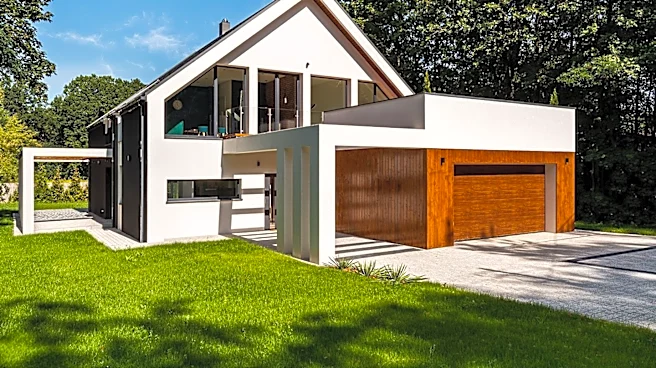
garage conversions leverage existing structures, leading to lower costs, fewer complications, and quicker completion times, with some projects finishing in just two to three weeks. Research indicates that over half of garages are not used for parking vehicles, highlighting their potential for conversion. These projects can create diverse spaces such as home offices, guest suites, home gyms, entertainment rooms, or multi-purpose hobby hubs. For instance, a garage can be converted into a dedicated workspace with proper insulation, lighting, and soundproofing, or a self-contained guest suite with a bathroom and kitchenette, potentially generating rental income as an Accessory Dwelling Unit (ADU). The appeal of a home gym in a garage lies in its high ceilings, ample floor space, and 24/7 accessibility, while entertainment rooms benefit from the natural separation from main living areas. Hobby hubs offer customized spaces for various passions, from crafting to music studios. Homeowners are advised to check local regulations, assess the garage's condition, plan budgets, and consider replacing the garage door for better insulation and security.
Why It's Important?
The trend of garage conversions holds significant importance for U.S. homeowners and the housing market. With rising housing costs and a desire for more functional living spaces, these conversions offer a cost-effective alternative to traditional home additions. By repurposing existing structures, homeowners can avoid the higher expenses and longer timelines associated with new construction. This approach can significantly increase a home's value, with well-executed conversions potentially adding 10-30%. The flexibility of garage conversions allows for tailored solutions to meet evolving lifestyle needs, such as the growing demand for home offices due to remote work, or the desire for dedicated fitness and entertainment areas. Furthermore, the ability to create ADUs from garages presents an opportunity for homeowners to generate rental income, addressing housing affordability challenges in some regions. However, it's crucial for homeowners to consider local zoning regulations and building codes, as these can impact the feasibility and cost of a conversion. While adding value, some real estate professionals caution that removing garage space entirely can be a 'deal breaker' for certain buyers, particularly in areas where garage utility (like protection from extreme weather) is highly valued.
What's Next?
Homeowners considering garage conversions will need to navigate local regulations and building codes, which often require permits. The initial steps involve assessing the garage's structural integrity, including the concrete slab, walls, and roof, to determine if any foundational work is needed. Budget planning is crucial, as costs can vary widely depending on the project's scope, from basic conversions starting around $15,000 to more complex ADUs with plumbing and kitchens costing significantly more. Homeowners should also plan for essential upgrades like insulation, proper lighting, and electrical work, especially if the space will be used as a living area or office. Replacing the garage door with an insulated, secure option is often recommended to improve temperature regulation and reduce noise. The increasing popularity of remote work and the demand for flexible living spaces suggest that garage conversions will continue to be a sought-after home improvement, potentially leading to more streamlined permitting processes and specialized construction services in the future. Real estate professionals will likely continue to advise on the balance between maximizing living space and retaining features that appeal to a broad range of buyers.
Beyond the Headlines
Beyond the immediate benefits of added space and increased home value, garage conversions reflect broader societal shifts in how Americans view and utilize their homes. The rise of remote work has blurred the lines between living and working spaces, making dedicated home offices a necessity rather than a luxury. This trend is transforming garages from mere storage units into vital extensions of the home's functional core. Furthermore, the emphasis on creating self-contained guest suites or ADUs speaks to evolving family structures and the potential for homes to serve multi-generational living or provide supplementary income. Environmentally, repurposing existing structures through conversions is a more sustainable approach than new construction, reducing material waste and the carbon footprint associated with building. However, the long-term impact on neighborhood aesthetics and parking availability, particularly in densely populated areas, could become a point of discussion for urban planners and community members. The ethical consideration of balancing individual property rights with community standards for housing and infrastructure will likely continue to shape regulations around these conversions.