









What's Happening?
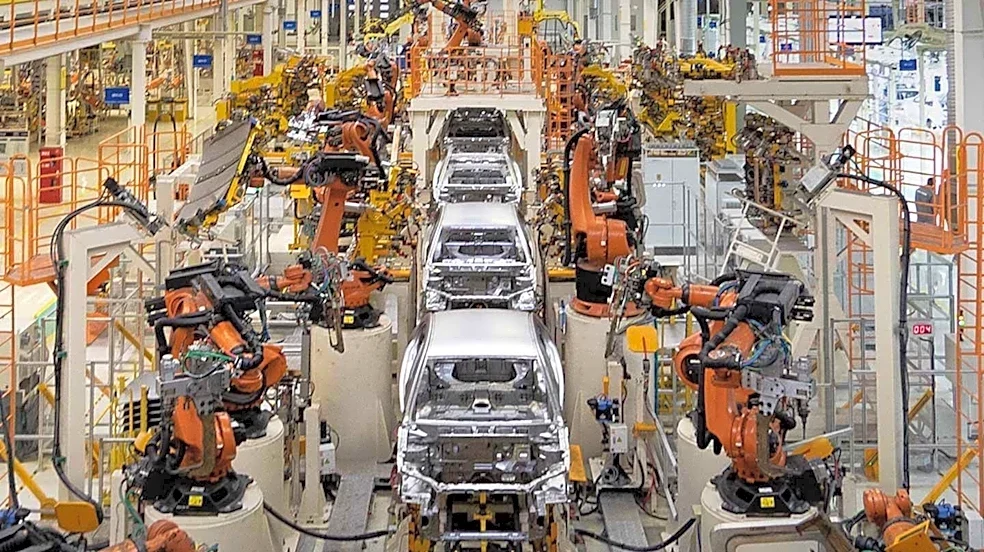
South Carolina provides sales and use tax exemptions for companies that acquire machinery, equipment, or parts specifically used in the production of tangible goods. To qualify, a machine must be an integral and continuous component of the manufacturing
process. This exemption covers machines directly involved in production activities, necessary parts, attachments, replacements, and certain material-handling equipment that is part of the manufacturing process. Eligibility is determined by the actual use of the property, not solely by the company's industry classification. Equipment primarily used for warehousing, distribution, or administrative functions typically does not qualify for this exemption. The state's policy aims to support manufacturing operations by reducing the tax burden on essential production assets.
Why It's Important?
This sales tax exemption is significant for manufacturing companies operating or considering establishing operations in South Carolina. By reducing the cost of acquiring essential machinery and equipment, the state incentivizes investment in manufacturing infrastructure and job creation. This policy can enhance the competitiveness of South Carolina-based manufacturers, allowing them to allocate more capital towards innovation, expansion, and workforce development. For the broader U.S. economy, such state-level incentives contribute to the decentralization of manufacturing and can help strengthen domestic supply chains. Companies that produce tangible goods stand to gain substantial financial benefits, potentially leading to increased production capacity and economic growth within the state. Conversely, states without similar exemptions might find it harder to attract or retain manufacturing businesses.
What's Next?
Companies in South Carolina that purchase machinery and equipment for manufacturing tangible goods should assess their eligibility for this sales tax exemption. Manufacturers planning future investments in production assets will likely factor this exemption into their financial projections and procurement strategies. The continued availability of such incentives could influence decisions regarding facility expansions, technology upgrades, and the overall growth trajectory of the manufacturing sector in the state. State economic development agencies will likely continue to promote this exemption as a key component of South Carolina's business-friendly environment, potentially attracting new manufacturing firms and fostering further industrial development.
Beyond the Headlines
The South Carolina sales tax exemption for manufacturing machinery highlights a broader trend among U.S. states to use tax incentives to stimulate economic activity and attract specific industries. While beneficial for manufacturers, such policies can raise questions about tax equity and the potential for revenue loss for state and local governments. The focus on 'tangible goods' and 'integral and necessary' use also underscores the complexity of tax law and the need for clear definitions to prevent misuse. This approach reflects a strategic effort to bolster the manufacturing base, recognizing its role in job creation, technological advancement, and overall economic stability. The long-term impact will depend on how effectively these incentives translate into sustained industrial growth and whether they encourage a diverse range of manufacturing activities within the state.