








What's Happening?
A recent study involving over 120 healthy older adults has revealed that high-intensity interval training (HIIT) is the most effective exercise regimen for preserving muscle mass while promoting fat loss. Participants were divided into three groups, each
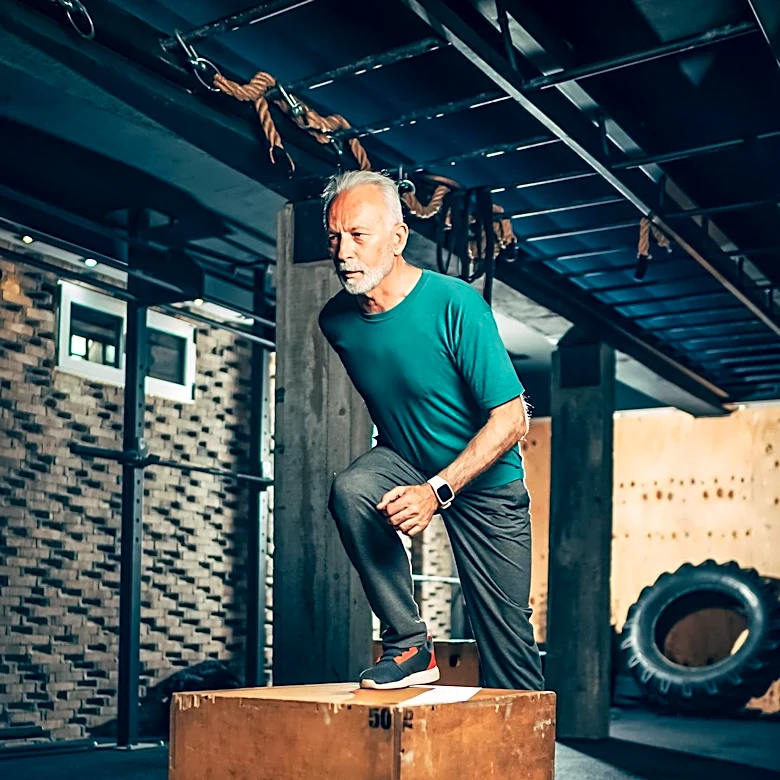
engaging in different intensity levels of exercise: low, moderate, and high. Over a six-month period, these groups performed 45-minute workouts three times a week. The study utilized DEXA scans to measure body composition changes at the start, midpoint, and end of the study. Results indicated that while both moderate and high-intensity workouts reduced fat mass, only HIIT preserved muscle mass. The HIIT regimen included a 10-minute warm-up, four intervals of high-intensity exercise, and active recovery periods, followed by a cool-down.
Why It's Important?
The findings of this study are significant as they address the challenge of maintaining muscle mass while losing fat, a common concern among older adults. Muscle preservation is crucial for overall health, aiding in movement, blood sugar regulation, and cognitive function. The study's results are particularly relevant for (peri)menopausal women, who face increased risks of sarcopenia due to hormonal changes. By demonstrating that HIIT can effectively maintain muscle mass, the study provides a valuable exercise strategy for aging populations aiming to improve their health and longevity. The research also underscores the importance of incorporating varied exercise routines, including strength training, to achieve optimal health outcomes.
What's Next?
While the study presents promising results, the researchers acknowledge the need for further studies to confirm the findings and explore the long-term effects of HIIT on muscle preservation. Future research could expand on the sample size and include diverse demographics to enhance the generalizability of the results. Additionally, the study highlights the importance of balancing HIIT with other forms of exercise, such as strength training, to prevent overtraining and ensure comprehensive fitness benefits. As the fitness industry continues to evolve, these findings may influence exercise recommendations and programs tailored for older adults.
Beyond the Headlines
The study's implications extend beyond immediate fitness benefits, touching on broader health and wellness trends. As the population ages, there is a growing demand for effective exercise regimens that cater to older adults' unique needs. The study's focus on HIIT aligns with a shift towards more efficient, time-effective workouts that deliver significant health benefits. Moreover, the research highlights the potential for HIIT to be integrated into public health strategies aimed at reducing age-related health issues. By promoting muscle preservation and fat loss, HIIT could play a role in enhancing quality of life and reducing healthcare costs associated with aging.