






What's Happening?
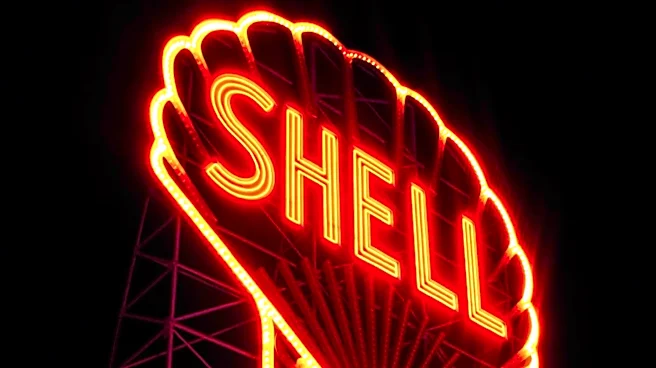
Businesses are increasingly opting for LED neon signs over traditional glass neon signs due to significant advantages in cost, durability, and design flexibility. Modern LED neon signs offer lower operating costs, longer lifespans, and require minimal
maintenance compared to their glass counterparts. While traditional glass neon signs provide a classic aesthetic, they are more fragile, consume more electricity, and have higher production and maintenance expenses. The shift is driven by businesses seeking to enhance brand visibility and customer experience through eye-catching signage that is also energy-efficient and robust. Custom LED neon signs can range from $250 to over $3,000, depending on factors like size, design complexity, and installation requirements. This contrasts with traditional glass neon signs, which typically start around $500 and can exceed $5,000 for larger installations. The preference for LED technology extends across various commercial applications, including retail stores, restaurants, offices, and events, where businesses aim for both visual impact and operational efficiency.
Why It's Important?
This trend signifies a notable shift in the commercial signage industry, impacting manufacturers, installers, and businesses across the U.S. The widespread adoption of LED neon technology means a growing market for LED sign producers and a potential decline in demand for traditional glass neon craftsmanship. For businesses, this transition offers substantial economic benefits through reduced energy consumption and lower maintenance costs, contributing to improved operational budgets. The enhanced durability of LED signs also translates to a longer-lasting investment, minimizing the need for frequent repairs or replacements. Furthermore, the design flexibility of LED neon allows for more intricate and customized branding solutions, enabling businesses to create unique visual identities that attract customers and encourage social media engagement. This evolution in signage technology supports broader sustainability goals by promoting energy-efficient solutions in commercial environments, aligning with increasing consumer and corporate demand for eco-friendly practices.
What's Next?
The continued advancement and cost reduction of LED technology are likely to further accelerate the adoption of LED neon signs across various sectors. Manufacturers will likely focus on innovating LED sign features, such as smart controls, dynamic lighting effects, and even more sustainable materials. Signage companies will need to adapt their services to specialize in LED installation and maintenance, potentially requiring new skill sets for their technicians. Businesses that have not yet transitioned may consider upgrading their existing signage to LED to capitalize on the long-term cost savings and improved visual appeal. This shift could also lead to increased competition among LED sign providers, potentially driving down prices and making advanced signage solutions more accessible to small and medium-sized businesses. Additionally, as LED technology becomes more sophisticated, we may see new applications for neon-style lighting beyond traditional commercial signs, such as in architectural design and public art installations.
Beyond the Headlines
The transition from traditional glass neon to LED neon signage reflects a broader technological and economic evolution impacting various industries. Beyond the immediate cost and durability benefits, this shift also represents a change in aesthetic and cultural value. Traditional neon signs, with their handcrafted glass tubes and distinctive glow, hold a nostalgic appeal and are often associated with historical periods of American commercialism and entertainment, particularly in places like Las Vegas. The rise of LED neon, while offering similar visual effects, signifies a move towards mass-produced, standardized, and digitally controlled lighting solutions. This could lead to a gradual decline in the specialized craft of glass bending for neon, potentially impacting artisans and preserving this traditional art form. The widespread adoption of LED also highlights the ongoing tension between preserving historical aesthetics and embracing modern efficiency, prompting discussions about how to balance technological progress with cultural heritage in urban landscapes and commercial branding.