





What's Happening?
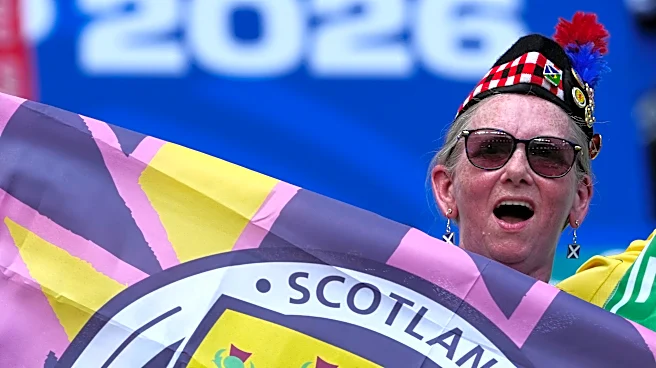
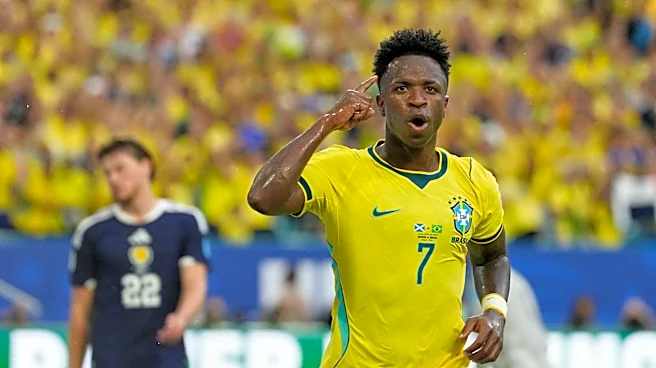
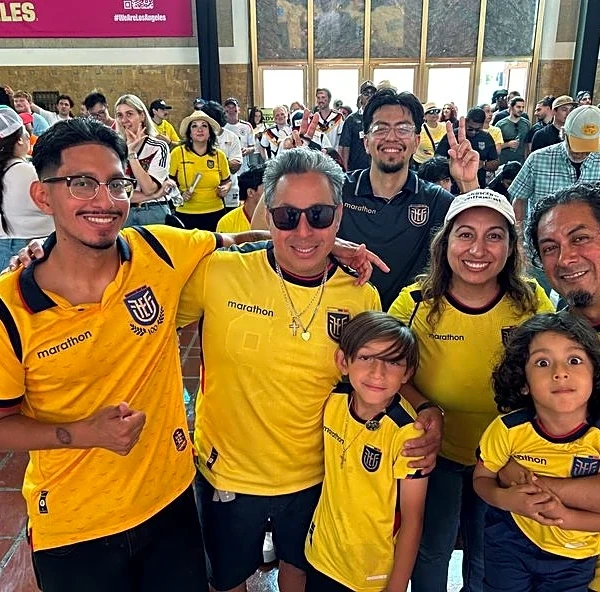
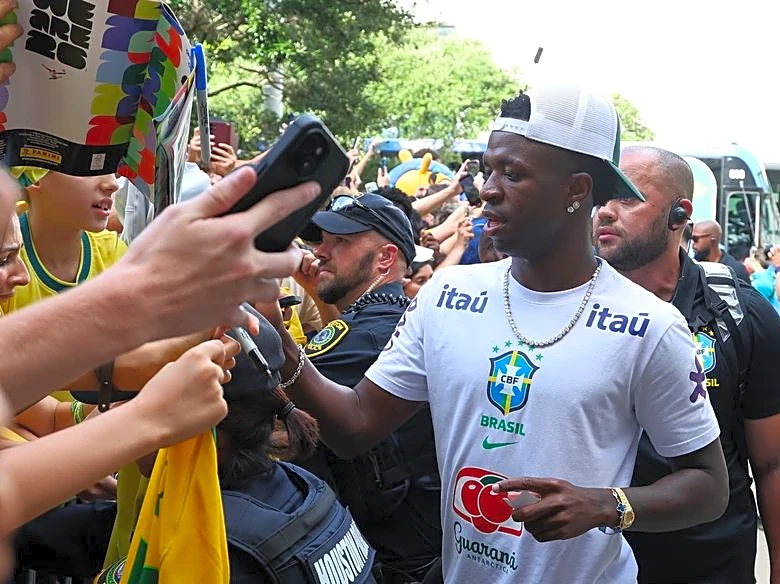
The World Cup has become a stage for cultural expression, with fans from various countries showcasing their unique traditions. In the U.S., Scotland's 'Tartan Army' has made a significant impact during the tournament, particularly in Boston and Miami.
Approximately 50,000 Scottish fans have traveled to support their team, bringing with them the sounds of bagpipes and the sight of traditional kilts. They have also engaged in a modern tradition of placing traffic cones on statues in the cities they visit. Meanwhile, Norway's team has embraced its Viking heritage, with players posing in Viking costumes and fans participating in a 'Viking Row' celebration. This trend began during a friendly match against Switzerland and has become a hallmark of Norway's World Cup presence. Additionally, Congolese fans have rallied around Michel Nkuka Mboladinga, who attends matches as a living statue of Patrice Lumumba, a national hero. These cultural displays highlight the diverse ways fans express national identity during the World Cup.
Why It's Important?
The cultural expressions seen at the World Cup illustrate the global nature of the event and its ability to bring together diverse traditions. For the U.S., hosting such a multicultural event provides an opportunity to witness and engage with international customs and celebrations. This can enhance cultural understanding and appreciation among American spectators. The presence of large fan groups like Scotland's Tartan Army also has economic implications, as they contribute to local tourism and business. Moreover, these cultural displays can influence how sports events are experienced and celebrated, potentially leading to new traditions and practices in the U.S. sports landscape. The World Cup serves as a reminder of the power of sports to transcend borders and foster a sense of global community.
What's Next?
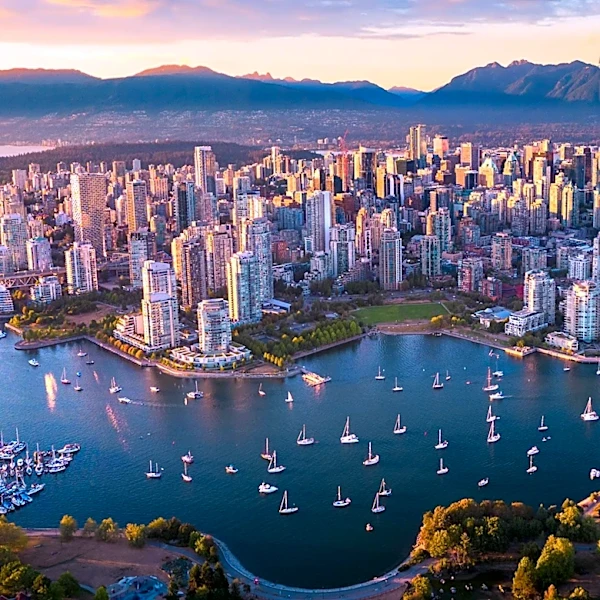
As the World Cup progresses, it is likely that more cultural expressions will emerge from different fan groups. This could lead to increased media coverage and public interest in the diverse ways fans celebrate their teams. For U.S. cities hosting matches, there may be opportunities to capitalize on the influx of international visitors by promoting local attractions and businesses. Additionally, the cultural trends observed during the World Cup could inspire similar expressions in other sports events, both domestically and internationally. Stakeholders in the sports industry may look to incorporate these cultural elements into future events to enhance fan engagement and experience.
Beyond the Headlines
The cultural phenomena observed at the World Cup raise questions about the authenticity and commercialization of cultural expressions in sports. While some may view these displays as genuine representations of national identity, others might see them as commodified spectacles designed for global consumption. This tension highlights the complex relationship between culture and sports in a globalized world. Furthermore, the World Cup's role in promoting cultural exchange and understanding underscores the potential for sports to serve as a platform for diplomacy and international relations. As such, the event not only entertains but also contributes to broader societal and cultural dialogues.