





What's Happening?
Homeowners insurance companies are increasingly offering smart home devices to policyholders, often at no cost, to help detect and prevent common household problems. These devices include smart water monitoring systems, electrical system monitors, and leak
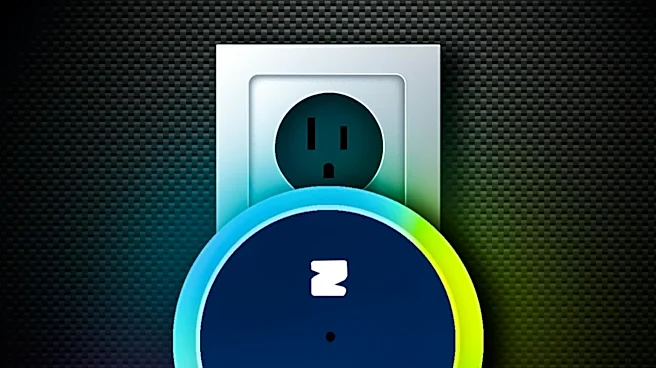
detectors. For instance, companies like Phyn offer technology that learns water usage patterns and can automatically shut off water in case of a serious leak. Ting provides a device that plugs into an outlet to monitor electrical systems for fire hazards, with the company assisting in arranging and reimbursing up to $1,000 for necessary repairs. LeakBot, another device, clips onto pipes to detect even tiny water leaks using temperature changes. These initiatives aim to reduce significant insurance claims, particularly those related to water damage, which is cited as the second-largest claim across the board.
Why It's Important?
This trend signifies a proactive shift in the homeowners insurance industry, moving from reactive claims processing to preventative risk management. By providing smart home devices, insurance companies can significantly reduce their payouts for common and costly incidents like floods and fires, which ultimately benefits both insurers and policyholders. For homeowners, receiving these devices for free offers a tangible incentive to adopt smart home technology, enhancing their property's safety and potentially lowering future repair costs. This also creates a new market for smart home device manufacturers, as insurance partnerships can drive widespread adoption. The integration of these technologies can lead to safer homes, fewer emergencies, and potentially more stable insurance premiums in the long run.
What's Next?
The collaboration between smart home technology providers and insurance companies is expected to expand, with more insurers likely to offer similar preventative solutions. This could lead to a broader integration of smart home devices into standard homeowners insurance policies, potentially influencing policy terms, discounts, or even mandatory installations for certain coverage types. As these technologies become more sophisticated, they may also offer more comprehensive monitoring and predictive capabilities, further reducing risks. Homeowners should actively inquire with their insurance providers about available smart home device programs, as these offerings can provide significant value and protection. The success of these programs could also encourage innovation in smart home technology tailored specifically for risk mitigation.
Beyond the Headlines
The increasing role of insurance companies in promoting smart home technology raises questions about data privacy and the extent to which insurers might access or utilize data collected by these devices. While the immediate benefit is risk reduction, the long-term implications for personal data usage and potential impacts on insurance eligibility or pricing based on device data warrant careful consideration. This development also highlights a broader societal trend towards 'smart' infrastructure and preventative measures in various sectors. The ethical dimension of incentivizing technology adoption through insurance benefits, and the potential for creating a two-tiered system where those with smart homes receive better coverage or rates, could become a point of discussion.