


What's Happening?
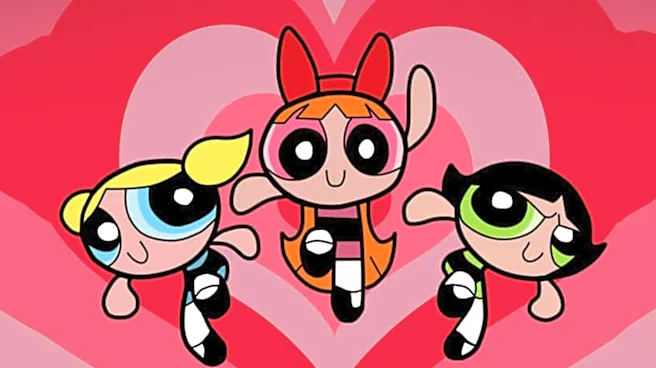
Cartoon Network's 'The Powerpuff Girls' recently celebrated its anniversary, drawing attention to its significant role in animation history since its premiere on November 18, 1998. Created by Craig McCracken, the series was a major success, becoming the highest-rated
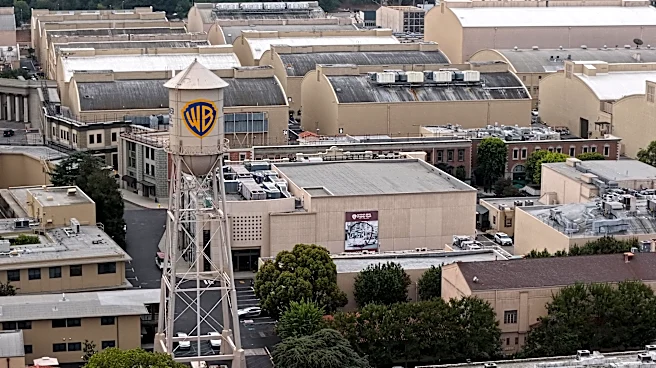
premiere for a Cartoon Network series at the time. It garnered substantial viewership across both children and adult demographics, a surprising outcome for a show initially designed for young audiences. The series ran for six seasons, concluding on March 25, 2005, after 78 episodes. Its influence has extended beyond its original run, with various spin-offs, specials, and even a live-action sequel series in development at The CW, though the latter was canceled. The show is also notable as the final television series produced by Hanna-Barbera, with its first four seasons under their production before Cartoon Network Studios took over after Hanna-Barbera's absorption into Warner Bros. Animation in 2001.
Why It's Important?
The enduring popularity and critical success of 'The Powerpuff Girls' underscore its importance in shaping Cartoon Network's early original programming and influencing the broader field of animation. Its ability to attract a wide audience, including adults, demonstrated a broader appeal for animated content beyond traditional children's programming. This success likely encouraged networks to invest in more diverse and sophisticated animated series. Furthermore, its status as the final Hanna-Barbera production marks a significant transition in animation history, symbolizing the end of an era for a pioneering studio and the rise of new animation powerhouses like Cartoon Network Studios. The show's continued relevance through merchandise, memes, and attempted revivals highlights its lasting cultural impact and its role in defining a generation's animated entertainment.
What's Next?
While a live-action sequel series was canceled, the continued popularity of 'The Powerpuff Girls' suggests that future projects or revivals remain a possibility. The franchise's consistent presence in popular culture, evidenced by merchandise and memes, indicates a sustained audience interest that networks and studios may seek to capitalize on. The show's historical significance as a benchmark for Cartoon Network and Hanna-Barbera will likely continue to be recognized and studied within animation circles. Future developments could include new animated series, movies, or digital content that aims to reintroduce the characters to new generations while appealing to nostalgic fans. The success or failure of such ventures would further illustrate the evolving landscape of animated content and audience engagement.
Beyond the Headlines
Beyond its immediate success, 'The Powerpuff Girls' holds deeper implications for the evolution of superhero narratives and gender representation in media. The show presented three young female protagonists with extraordinary powers, challenging traditional gender roles often seen in superhero stories of its time. This portrayal contributed to a broader cultural shift towards more diverse and empowering female characters in animation. The series also explored complex themes of good versus evil, responsibility, and the challenges of childhood, often with a sophisticated blend of humor and action that resonated with a wide demographic. Its legacy extends to influencing subsequent animated series that feature strong female leads and innovative storytelling, solidifying its place not just as a popular cartoon, but as a significant cultural touchstone.