


What's Happening?
Wabi-sabi, a Japanese aesthetic philosophy rooted in Zen Buddhism, is gaining prominence in interior design. This style champions the beauty found in imperfection, impermanence, and natural aging, moving away from polished, mass-produced aesthetics. It
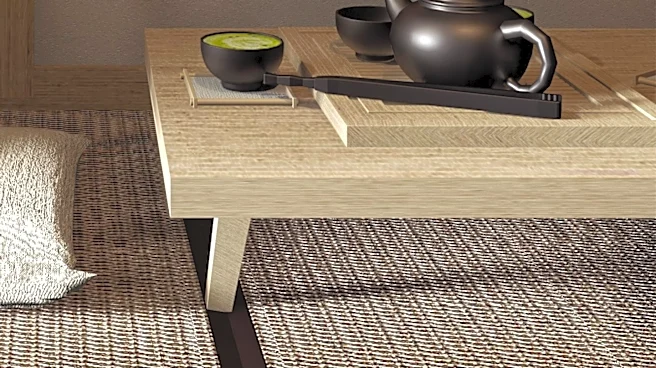
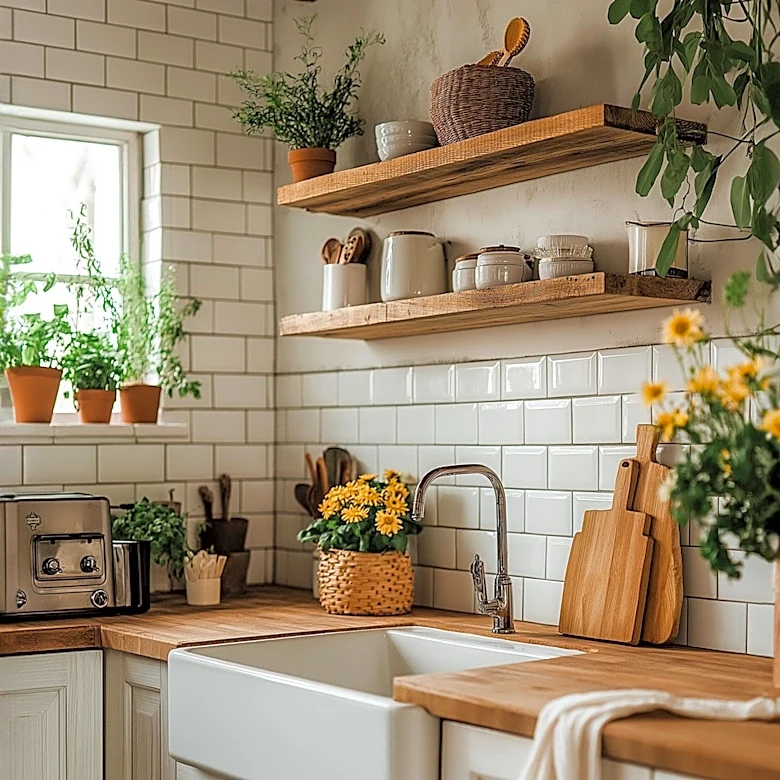
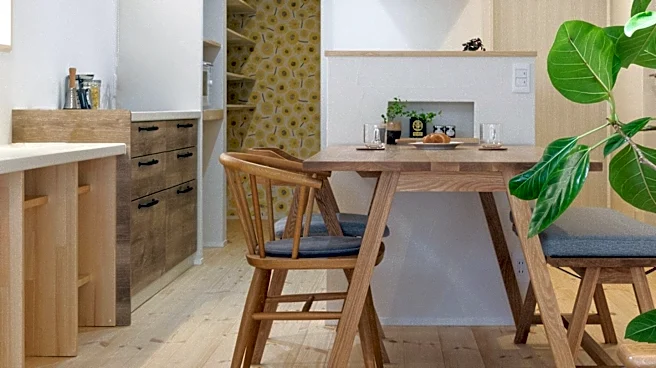
embraces raw, organic, and deeply natural elements, valuing cracks, irregularities, and visible signs of age rather than concealing them. Key characteristics include the use of natural materials in their raw form, such as rough timber, unpolished stone, and clay, alongside earthy, muted color palettes derived from nature. Handmade and one-of-a-kind objects, like artisan ceramics and textured textiles, are central to the Wabi-sabi approach, fostering a meditative and tranquil atmosphere. The style prioritizes emptiness and stillness, creating spaces that invite occupants to slow down and appreciate the gentle, soulful beauty of worn and natural elements. This philosophy translates into interiors that feel organic, tactile, and deeply serene, offering a stark contrast to modern perfectionism.
Why It's Important?
The growing interest in Wabi-sabi style reflects a broader cultural shift towards authenticity, sustainability, and mindfulness in U.S. consumer preferences. As individuals seek respite from fast-paced, consumer-driven lifestyles, Wabi-sabi offers an antidote by promoting a sense of calm and grounding within living spaces. This trend impacts the interior design industry, encouraging designers and manufacturers to source and create products that align with these values, such as artisanal goods, reclaimed materials, and natural finishes. For consumers, adopting Wabi-sabi can lead to more personalized and meaningful home environments that celebrate uniqueness and the passage of time, rather than striving for unattainable perfection. It also encourages a more conscious approach to consumption, favoring durable, handcrafted items over disposable trends. The emphasis on natural materials and longevity aligns with increasing environmental awareness, potentially influencing sustainable practices within the home furnishings market.
What's Next?
The continued popularization of Wabi-sabi is likely to influence various sectors of the U.S. home and lifestyle market. We can anticipate an increased demand for artisanal crafts, custom-made furniture, and natural building materials. Retailers may expand their offerings to include more items that reflect Wabi-sabi principles, such as matte ceramics, unpolished stone decor, and textured fabrics like bouclé or raw cotton. Interior designers will likely incorporate more Wabi-sabi elements into their projects, blending it with other minimalist styles to create unique, tranquil spaces. Educational workshops and content focusing on sustainable living and the appreciation of imperfection in design may also see a rise. Furthermore, the architectural community might explore integrating Wabi-sabi concepts into building designs, emphasizing natural light, raw textures, and a harmonious connection with the surrounding environment. This philosophical approach could also extend beyond interiors, influencing product design and even personal lifestyle choices.
Beyond the Headlines
Beyond its aesthetic appeal, Wabi-sabi embodies a profound philosophical shift that challenges conventional notions of beauty and value in Western society. In a culture often driven by newness, perfection, and rapid consumption, Wabi-sabi encourages a re-evaluation of what is considered beautiful, promoting an appreciation for the imperfect, the aged, and the transient. This can have deeper psychological implications, fostering a greater sense of acceptance and contentment with the natural cycles of life and decay. Ethically, it promotes sustainability by valuing existing objects and materials, reducing the pressure for constant replacement and new production. Legally, this shift might subtly influence regulations around material sourcing and craftsmanship, favoring artisanal and environmentally friendly practices. Culturally, Wabi-sabi's growing influence could lead to a broader embrace of mindfulness and a slower pace of life, impacting everything from personal habits to community design, encouraging spaces that foster reflection and connection to nature rather than constant stimulation.