








What's Happening?
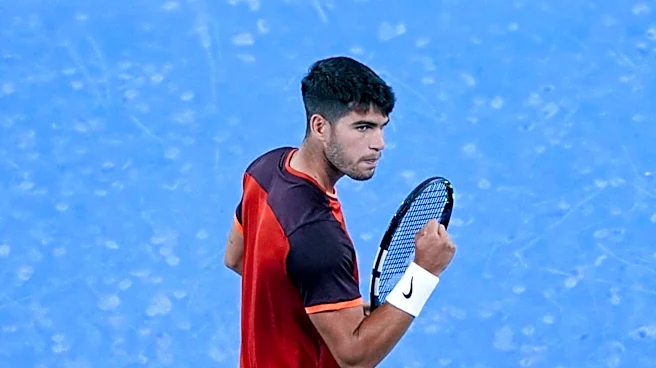
British tennis player Jack Draper has voiced strong criticism against the ATP Tour's scheduling and operational decisions, asserting that they are jeopardizing a generation of players due to constant injuries. Draper, who ended his 2026 season prematurely
in September after playing only 15 matches, has been plagued by a persistent left arm injury, preventing his participation in any Grand Slam tournaments this year. This situation is particularly frustrating for Draper, who won the Indian Wells Masters 1000 in 2025 and reached a career-high ranking of world number four. In an interview with BAGEL Magazine on October 23, Draper stated that many decisions in tennis are made for financial gain, which he believes puts players at risk. He also highlighted the evolving playing conditions, such as slower courts and balls, combined with increasingly athletic players and a demanding calendar, as major contributors to the rise in injuries. Draper has resumed training in Brazil but does not plan to compete again until 2027, aiming to better manage his schedule for a longer career.
Why It's Important?
Draper's outspoken comments bring to light a significant issue within professional tennis regarding player welfare and the sustainability of athletes' careers. His critique suggests a potential disconnect between the ATP's commercial objectives and the physical well-being of its players. If top players like Draper are forced to take extended breaks or retire early due to injuries exacerbated by the tour's structure, it could diminish the quality of competition and fan engagement. The concern that an entire generation of players is at risk of long-term injury raises questions about the sport's future talent pool and the effectiveness of current player protection policies. This situation could prompt a broader discussion among players, coaches, and governing bodies about potential reforms to the tour calendar, playing conditions, and prize money distribution to better balance commercial interests with athlete health.
What's Next?
Jack Draper plans to return to competitive play in 2027, focusing on a more carefully managed schedule to prolong his career. His decision to take a prolonged break underscores the severity of his injuries and his commitment to long-term health over immediate competition. It remains to be seen whether his public criticism will spur any immediate action or dialogue from the ATP Tour regarding player welfare and scheduling. Other players might echo Draper's sentiments, potentially leading to collective calls for changes. The ATP may face increasing pressure to review its policies, especially if more high-profile players continue to suffer from similar injury issues. Future discussions could involve adjustments to tournament lengths, off-season durations, and the overall density of the competitive calendar to mitigate physical strain on athletes.
Beyond the Headlines
Draper's comments touch upon a broader ethical dilemma in professional sports: the balance between entertainment value, commercial revenue, and athlete well-being. The increasing physical demands of modern tennis, coupled with a relentless schedule, highlight a systemic issue where athletes are pushed to their physical limits. This situation could lead to a re-evaluation of what constitutes a sustainable career in professional sports and whether current models adequately protect athletes. The long-term implications could include a shift towards more player-centric scheduling, increased investment in injury prevention and rehabilitation, and potentially a redefinition of success metrics beyond just rankings and prize money. This could also influence how younger players are trained and managed, emphasizing longevity and health over early career burnout.