



What's Happening?
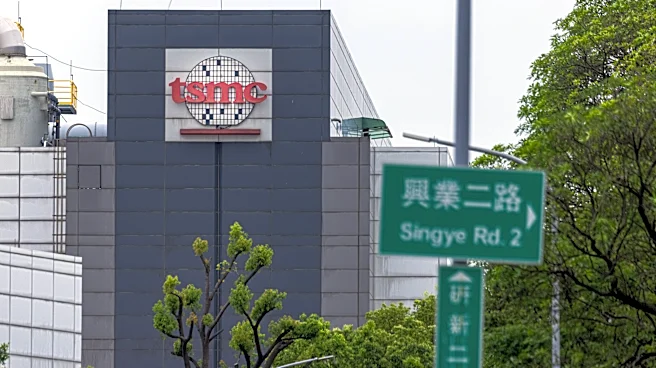
Taiwan Semiconductor Manufacturing (TSMC) is reportedly planning to increase its chip manufacturing prices by 10% in 2027. This decision comes despite a recent significant sell-off in the semiconductor sector, which has seen the PHLX Semiconductor Sector
index slide by 25% since early October. The company's dominant position in the foundry market, controlling 73% of the global pure-play foundry market, has contributed to healthy revenue and earnings growth, with revenue increasing by 43% year-over-year in the first 10 months of 2026. TSMC's strong pricing power has boosted its margins, and this upcoming price increase is expected to further improve its margin profile. Analysts anticipate TSMC's earnings per share (EPS) to increase by 64% in 2026 to $17.50, followed by a 34% increase in 2027, potentially outpacing expectations due to the price hike.
Why It's Important?
TSMC's planned price increase is a significant indicator of its confidence in sustained demand for advanced chips, particularly those used in artificial intelligence (AI). This move, amidst a broader semiconductor market downturn, suggests that the company believes the AI chip revolution will continue to drive strong demand, allowing it to maintain and even increase its pricing power. For the U.S. technology sector, this could mean higher costs for AI chip designers and manufacturers who rely on TSMC's foundry services, potentially impacting their profit margins or leading to increased prices for end-users of AI-powered products. However, it also underscores the critical role TSMC plays in the global semiconductor supply chain and the high value placed on its advanced manufacturing capabilities. The ability of a key player like TSMC to raise prices during a market correction highlights the inelastic demand for cutting-edge AI components, which could benefit other companies in the AI ecosystem that can absorb or pass on these costs.
What's Next?
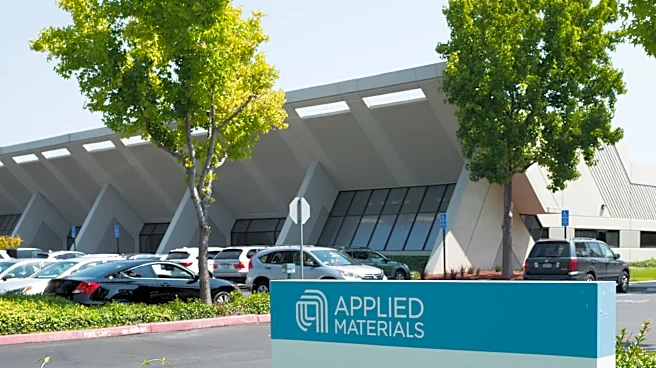
The reported 10% price increase by TSMC in 2027 is expected to further boost the company's earnings per share, potentially leading to its stock price reaching higher valuations. Analysts project that if TSMC's bottom line reaches $29.82 per share in 2028 and it maintains a 25 times earnings multiple, its stock price could double from current levels. This move could also influence other players in the semiconductor industry, potentially leading to similar price adjustments or increased competition in the foundry market. For companies like Applied Materials, which supplies semiconductor manufacturing equipment, TSMC's continued growth and investment in production capacity will likely translate into sustained demand for their products. The broader semiconductor market will be watching closely to see if TSMC's pricing strategy is sustainable and if it signals a broader trend of price increases for advanced AI chips, even as the sector navigates periods of profit-taking and investor sentiment shifts.
Beyond the Headlines
TSMC's decision to raise prices reflects a deeper trend in the technology landscape: the increasing strategic importance and value of advanced semiconductor manufacturing. As AI becomes more pervasive across industries, the demand for specialized, high-performance chips is intensifying, making the foundries that produce them critical bottlenecks and powerful players. This move by TSMC could exacerbate concerns about supply chain concentration and geopolitical risks, as a single company holds significant leverage over the production of essential components. It also highlights the ongoing tension between the need for technological advancement and the economic realities of production costs. The long-term implications could include increased investment in domestic chip manufacturing capabilities in countries like the U.S. to reduce reliance on foreign foundries, or a push for greater diversification in the global semiconductor supply chain to mitigate pricing power and supply risks. This situation underscores the complex interplay of technology, economics, and geopolitics in shaping the future of the digital economy.