


What's Happening?
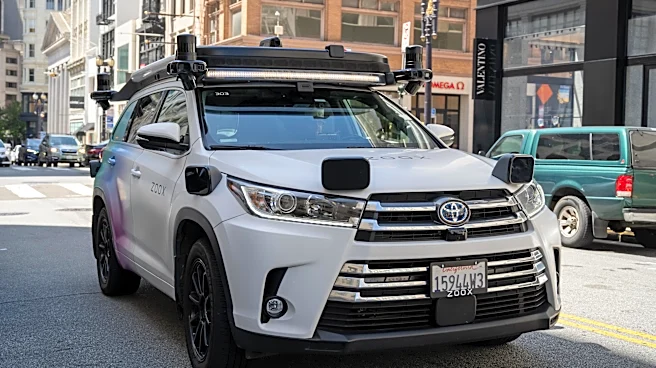
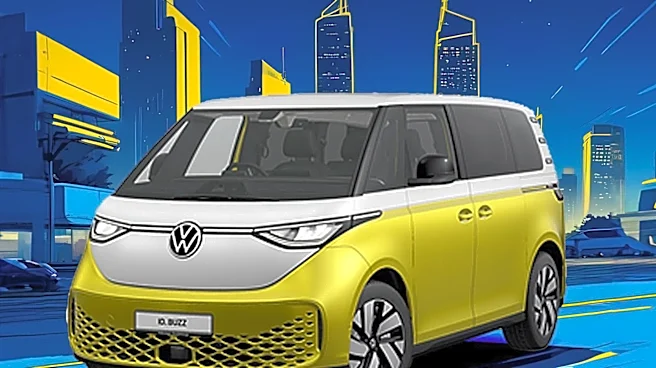
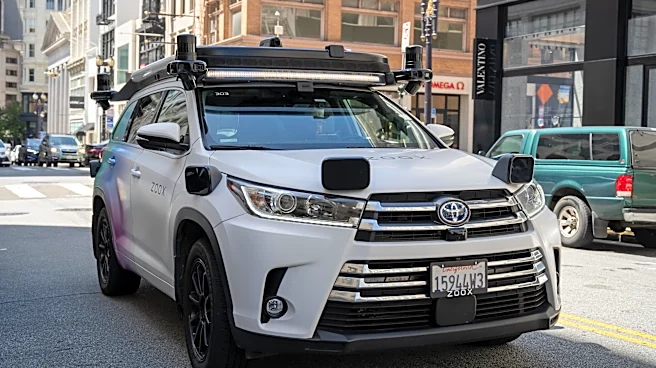
Uber has begun integrating robotaxis from Zoox and Motional, a Hyundai Motor Group subsidiary, into its ride-hailing app in Las Vegas. This initiative allows riders to potentially be matched with an autonomous vehicle, though they cannot directly select
one at present. Uber CEO Dara Khosrowshahi stated that the company plans to introduce a dedicated autonomous option as the availability and reliability of these services improve. Las Vegas is noted as the first U.S. city where Uber riders can access two fully driverless partners through the app. This move sets the stage for a potential future where riders can choose between human drivers and robotaxis, and even between different autonomous service providers, with price potentially influencing customer decisions.
Why It's Important?
The integration of Zoox and Motional robotaxis into Uber's platform in Las Vegas marks a significant step in the commercialization and public adoption of autonomous vehicle technology in the U.S. This development could lead to increased competition within the ride-hailing market, potentially impacting pricing and service availability. For consumers, it introduces a new transportation option, which could offer benefits such as reduced wait times or potentially lower fares in the long run. For the autonomous vehicle industry, it provides a crucial real-world testing ground for scalability and user acceptance. The expansion of robotaxi services also has implications for the traditional taxi and ride-share workforce, potentially creating new challenges for organized labor as autonomous vehicles compete directly with human drivers.
What's Next?
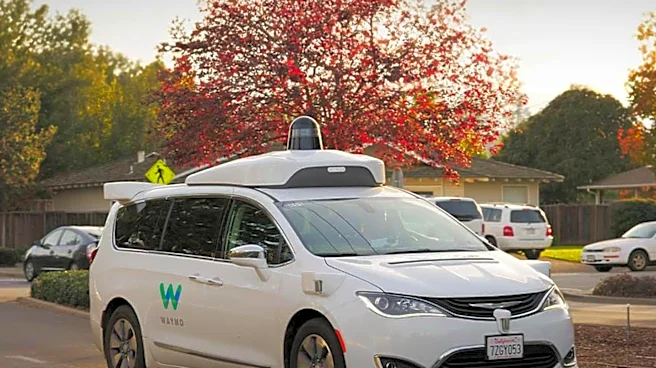
Uber intends to further develop its autonomous ride-hailing options, with plans to introduce a dedicated selection feature for robotaxis as their availability and reliability advance. This suggests a gradual expansion of autonomous services within Las Vegas and potentially to other U.S. cities. The ongoing competition between autonomous vehicle companies like Waymo and Tesla, alongside Uber's partnerships, indicates a dynamic and evolving market. Future developments will likely involve continuous improvements in autonomous driving technology, regulatory adjustments to accommodate these services, and a closer examination of consumer preferences regarding cost and convenience. The potential for robotaxis to compete directly with human drivers could also lead to discussions and actions from labor organizations.
Beyond the Headlines
The introduction of robotaxis into mainstream ride-hailing services raises several deeper implications beyond immediate market dynamics. Ethical considerations surrounding the safety and decision-making processes of autonomous vehicles are paramount, especially as they become more prevalent on public roads. The widespread adoption of robotaxis could also lead to significant societal changes, including shifts in urban infrastructure, parking needs, and personal car ownership. Furthermore, the data collected by these autonomous vehicles will present new challenges and opportunities related to privacy, cybersecurity, and urban planning. The ongoing 'A/B testing' of robotaxis against human drivers in cities like Las Vegas could provide valuable insights into public trust, operational efficiency, and the long-term viability of fully autonomous transportation systems, shaping the future of urban mobility.