








What's Happening?
The fulfillment of bespoke supplements, which are customized formulations tailored to specific needs, necessitates a specialized approach due to their unique characteristics, particularly concerning expiration dates. Unlike many consumer goods, each batch
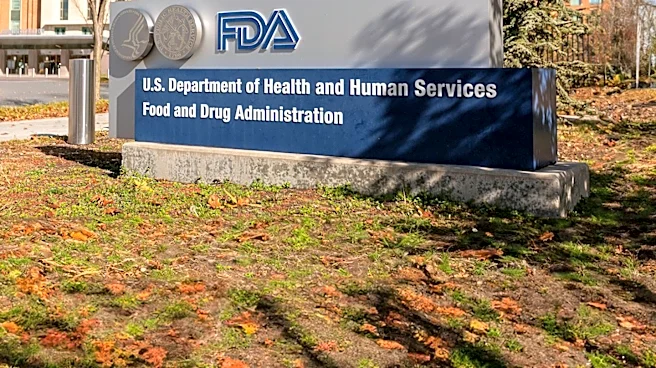
of supplements carries a distinct expiration date, making standard fulfillment processes inadequate. Fulfillment centers handling these products must implement rigorous systems for capturing lot and expiry information upon receipt. This includes enforcing a 'first-expired, first-out' (FEFO) method at the picking stage to ensure that products with the nearest expiration dates are shipped first. This meticulous control is crucial for preventing returns, avoiding marketplace penalties, and mitigating retailer chargebacks, especially for subscription-based businesses. The FDA's 21 CFR Part 111, which outlines recordkeeping standards for dietary supplements, mandates that batch and lot records must be maintained for a specified duration and be readily available for inspection. This regulatory requirement underscores the importance of seamless data transfer from manufacturing to fulfillment.
Why It's Important?
The specialized handling of bespoke supplements is vital for maintaining product integrity, ensuring consumer safety, and upholding regulatory compliance within the U.S. market. The 'first-expired, first-out' (FEFO) system directly impacts product freshness and efficacy, which is particularly critical for customized formulations designed for specific health needs. Failure to manage expiration dates effectively can lead to the distribution of expired or near-expired products, potentially causing health risks to consumers and damaging brand reputation. For businesses, non-compliance with FDA regulations, such as 21 CFR Part 111, can result in significant legal and financial penalties. Furthermore, the ability to accurately track lots and expiration dates is essential for efficient product recalls, allowing companies to target only affected batches rather than their entire inventory. This precision minimizes waste and reduces the economic impact of recalls. The demand for bespoke supplements can fluctuate significantly, often driven by events like New Year's resolutions or viral social media content, requiring fulfillment centers to have scalable capacity planning to manage surges without compromising product quality or delivery times.
What's Next?
As the demand for personalized health solutions, including bespoke supplements, continues to grow, the industry will likely see further advancements in fulfillment technologies and practices. Fulfillment centers will need to invest in more sophisticated inventory management systems capable of real-time tracking of lot and expiration data. There may be an increased focus on automation and AI-driven solutions to optimize FEFO processes and predict demand fluctuations more accurately. Additionally, the handling of temperature- and moisture-sensitive active ingredients, common in many bespoke formulations, will require more advanced climate-controlled storage and transportation solutions. Businesses in the bespoke supplement sector will need to prioritize partnerships with 3PL providers that demonstrate a deep understanding of regulatory compliance and specialized handling requirements. Continuous training for fulfillment staff on FDA guidelines and best practices for supplement handling will also be crucial to ensure ongoing compliance and product quality. The evolution of consumer expectations for fresh and effective products will drive innovation in supply chain transparency and efficiency.
Beyond the Headlines
The meticulous fulfillment requirements for bespoke supplements highlight a broader trend in the health and wellness industry towards personalization and precision. This shift moves beyond mass-produced products to offerings tailored to individual biological needs, dietary restrictions, or health goals. The emphasis on expiration dates and lot control reflects a heightened consumer awareness regarding product efficacy and safety, pushing manufacturers and distributors to adopt more stringent quality control measures. This trend also underscores the increasing complexity of supply chains in specialized markets, where generic logistics solutions are no longer sufficient. The regulatory landscape, particularly the FDA's role in dietary supplements, plays a critical part in shaping these operational demands, ensuring that consumer protection remains paramount. The rise of bespoke supplements also raises ethical considerations regarding the scientific basis of customized formulations and the potential for unsubstantiated health claims. As the market expands, there will be a growing need for clear communication between formulators, fulfillment partners, and consumers to ensure transparency and trust in these highly individualized products.