








What's Happening?
Boeing reported a significant net loss of $428 million in its second-quarter 2026 financial report, primarily due to a $280 million pre-tax charge related to the Air Force One program. This program, which involves converting two 747-8 airframes into presidential
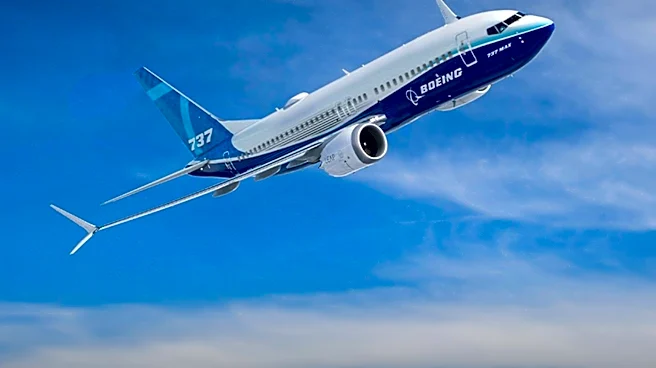
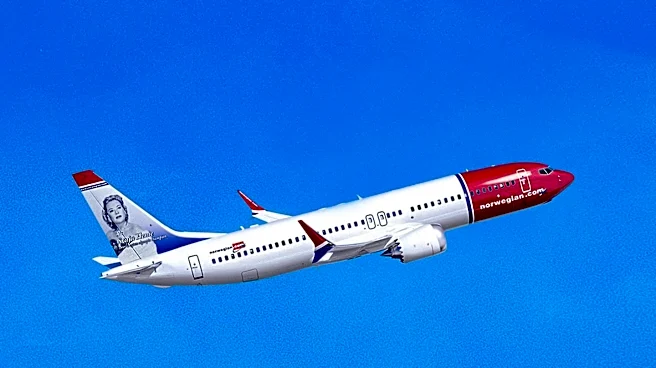
aircraft, has faced delays and cost overruns. Despite the loss, Boeing's shares rose nearly 5% as investors focused on the company's positive free cash flow of $631 million and an 8% increase in commercial revenue. The company is ramping up production of the 737 MAX and expanding its commercial operations, which are recovering faster than its defense sector.
Why It's Important?
The financial results highlight Boeing's ongoing challenges in its defense contracts, particularly the Air Force One project, which is over budget and behind schedule. However, the positive response from investors indicates confidence in Boeing's commercial sector recovery and cash flow generation. This shift in focus from defense to commercial operations could influence Boeing's strategic priorities and investment decisions. The company's ability to increase production and revenue in its commercial division is crucial for its long-term financial health and competitiveness in the aerospace industry.
What's Next?
Boeing is expected to continue focusing on increasing its production capacity for commercial aircraft, particularly the 737 MAX. The company aims to ramp up production to 47 aircraft per month, which could further boost its revenue and cash flow. Additionally, Boeing will need to address the challenges in its defense contracts, including the Air Force One program, to prevent further financial losses. The company's performance in the coming quarters will be closely watched by investors and industry analysts.