

What's Happening?
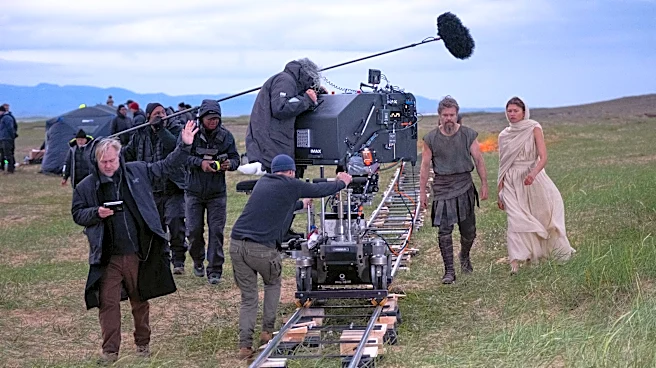
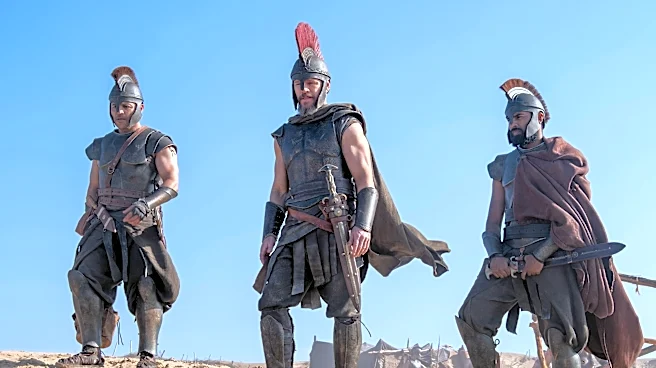
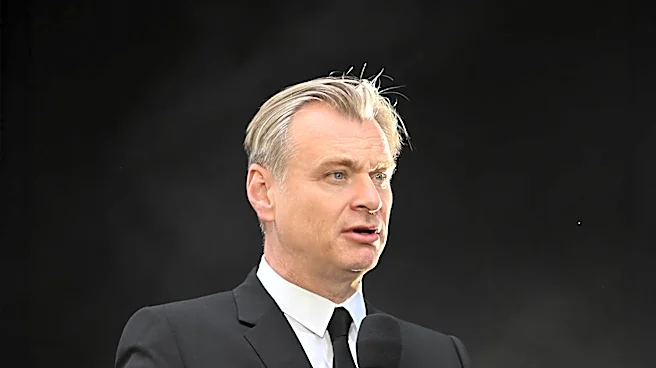
Christopher Nolan's film adaptation of Homer's 'The Odyssey' has made significant changes to the original epic poem to fit a modern cinematic narrative. The film, which condenses the 12,000-line poem into a three-hour movie, omits several scenes and characters,
such as the gods' interactions and the Phaeacians. Nolan introduces new elements, like the character Sinon, and alters existing ones, such as the portrayal of Calypso and the Cyclops. The film also changes the ending, allowing Telemachus to become king of Ithaca, while Odysseus and Penelope embark on a new journey. These modifications aim to highlight Odysseus's resilience and trauma over his cunning nature.
Why It's Important?
The adaptation of 'The Odyssey' by Christopher Nolan is significant as it reflects the challenges and creative liberties involved in translating ancient literature into modern film. By altering key elements of the story, Nolan not only makes the narrative more accessible to contemporary audiences but also provides a fresh perspective on the classic tale. This approach may influence future adaptations of literary works, encouraging filmmakers to explore new interpretations while maintaining the essence of the original stories. The film's success could also impact the film industry by setting a precedent for how epic tales are adapted for the screen.