



What's Happening?
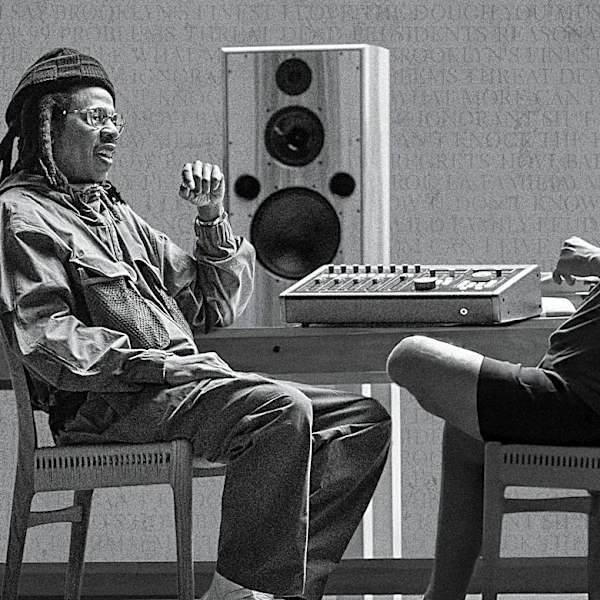
Paramount Pictures has reached a confidential settlement with songwriter Sam Roman, known as RØMANS, resolving a copyright lawsuit concerning two songs used in the 2025 animated film 'Smurfs'. The core of the dispute revolved around the song 'Anyone,'
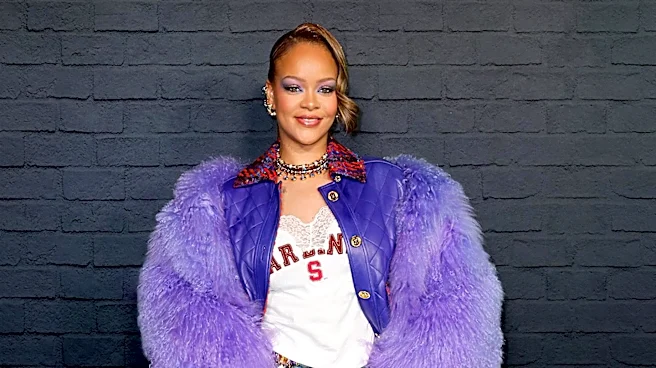
co-written by Roman and recorded by Rihanna, which was featured in the movie but not commercially released on the soundtrack. Roman alleged that Paramount used his music without a finalized licensing agreement or proper compensation. He claimed that initial plans included a commercial release and significant promotional support for Rihanna's recording of 'Anyone,' with his compensation tied to upfront payments and potential backend royalties. However, negotiations reportedly broke down when Paramount informed him that the track would not be released separately, yet proceeded to use the song in the film without his authorization or payment. Rihanna was not a defendant in the case and was not accused of any wrongdoing. The attorneys for both parties recently informed the court of the confidential settlement, with financial terms and other details remaining undisclosed. The court has been asked to retain jurisdiction for 60 days to finalize certain terms, after which the case is expected to be dismissed with prejudice.
Why It's Important?
This settlement highlights the complexities and potential pitfalls in intellectual property rights within the entertainment industry, particularly concerning music licensing for major film productions. For songwriters and artists, it underscores the critical importance of securing explicit, finalized agreements before their work is used, even by large studios. The case demonstrates that even when a song is recorded by a high-profile artist like Rihanna and integrated into a film, disputes can arise if the underlying licensing and compensation terms are not fully settled. This incident could prompt greater scrutiny and more rigorous contractual processes in future collaborations between studios and music creators, aiming to prevent similar legal challenges. It also serves as a reminder of the significant financial and reputational risks involved for studios that proceed with content usage without complete legal clearance. The confidential nature of the settlement, while common, means the specific financial implications for Paramount and the compensation received by Roman will not be publicly known, but the resolution avoids a potentially lengthy and costly public trial.
What's Next?
Following the confidential settlement, the immediate next step involves the completion of the agreed-upon terms within the 60-day period during which the court retains jurisdiction. After this period, the lawsuit is expected to be dismissed with prejudice, formally closing the legal chapter of this dispute. For Paramount Pictures, this resolution allows them to move forward without the ongoing distraction and potential liability of the lawsuit. For songwriter Sam Roman, the settlement provides compensation for the alleged unauthorized use of his work. This case may lead to increased caution and more stringent legal reviews in future music licensing deals within the film industry, particularly for animated features that often involve multiple musical contributions. It could also encourage other artists and songwriters to meticulously review and finalize all contractual agreements before their work is incorporated into major productions, reinforcing the need for clear communication and legal certainty in creative collaborations.
Beyond the Headlines
This case delves into the intricate ethical and legal considerations surrounding creative ownership and compensation in the digital age. The alleged breakdown in negotiations and subsequent use of the song without a finalized agreement raises questions about the power dynamics between major studios and individual creators. It underscores the vulnerability of artists who may invest significant time and effort into projects based on preliminary understandings, only to face disputes over final terms. The involvement of a globally recognized artist like Rihanna, even as a non-defendant, adds a layer of public interest, highlighting how even high-profile collaborations can be entangled in contractual disagreements. This situation could contribute to broader discussions within the entertainment industry about fair compensation practices, transparency in licensing, and the protection of intellectual property rights for all contributors, regardless of their stature. It also subtly points to the potential for internal cost pressures within studios influencing decisions regarding commercial releases and artist involvement.