








What's Happening?
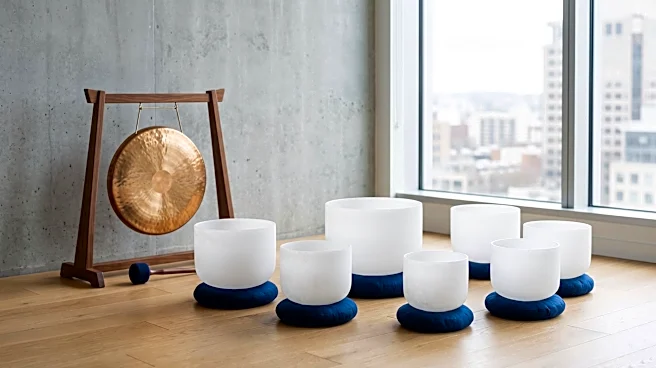
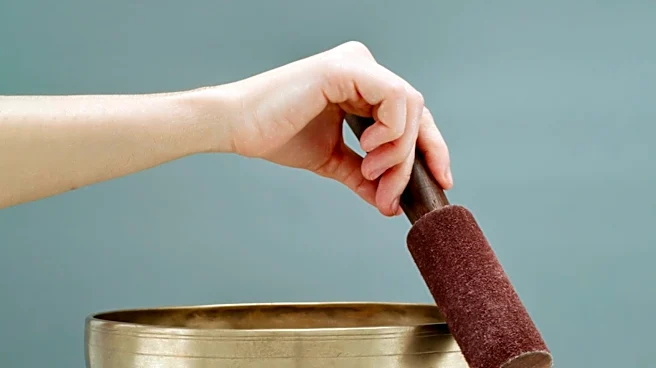
Sound baths, immersive listening experiences utilizing resonant instruments such as singing bowls, gongs, and chimes, are increasingly being adopted for relaxation and personal wellness. Participants typically lie or sit comfortably while the sounds are played,
aiming to induce a meditative state. While early studies suggest potential short-term improvements in mood and anxiety-related symptoms, the scientific evidence supporting these claims remains limited. It is important to note that sound baths are not recognized as established medical treatments for conditions like insomnia, anxiety disorders, or chronic pain. Most individuals can safely participate in a quiet sound bath as a relaxation activity. However, those with sensory sensitivities, certain neurological conditions, or a history of emotionally distressing experiences should exercise caution due to the potential for adverse reactions to loud sounds or the immersive nature of the experience.
Why It's Important?
The growing popularity of sound baths highlights a broader societal trend towards alternative and complementary wellness practices in the U.S. This trend reflects an increasing consumer interest in non-pharmacological approaches to stress reduction and mental well-being. For the wellness industry, this presents opportunities for growth in services and products related to sound therapy. However, it also raises concerns regarding the potential for misrepresentation of sound baths as medical treatments, which could lead individuals to delay or forgo evidence-based care for serious health conditions. The distinction between a relaxation technique and a medical intervention is crucial for public health and consumer protection. The limited scientific backing means that while sound baths may offer subjective benefits, their efficacy for specific health issues is not clinically proven, impacting how they should be marketed and perceived by the public.
What's Next?
As sound baths continue to gain popularity, there may be an increased demand for more rigorous scientific research to either validate or refute their purported health benefits beyond general relaxation. This could lead to further studies exploring their physiological and psychological effects. Regulatory bodies and consumer protection agencies might also face pressure to establish clearer guidelines for the marketing and promotion of sound bath services, ensuring that claims are not misleading. For practitioners, there could be a push for standardized training and certification to ensure safety and ethical practice. Individuals interested in sound baths are likely to continue seeking them out for personal wellness, but a greater emphasis on informed consent and realistic expectations regarding their therapeutic potential will be essential.
Beyond the Headlines
The rise of sound baths touches upon the complex relationship between traditional healing practices, modern wellness trends, and scientific validation. It underscores a cultural inclination towards holistic approaches to health, often seeking experiences that offer a sense of calm and connection in a fast-paced world. The appeal of sound baths may stem from their ability to provide a unique sensory experience that bypasses cognitive effort, offering a direct pathway to relaxation for many. This phenomenon also highlights the challenge of integrating subjective well-being experiences into a framework of evidence-based health, where personal testimonials often precede scientific consensus. The ethical implications of promoting such practices without robust evidence, particularly to vulnerable populations, remain a significant consideration.