



What's Happening?
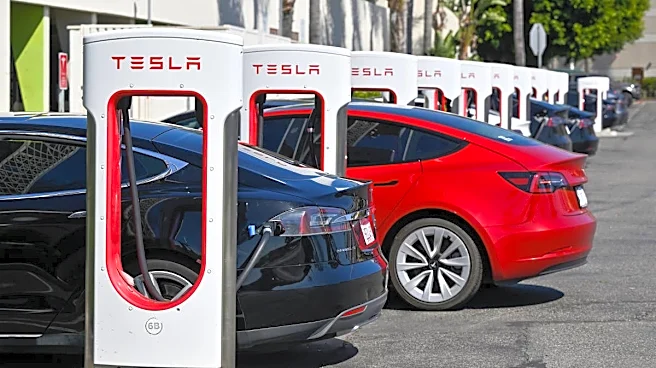
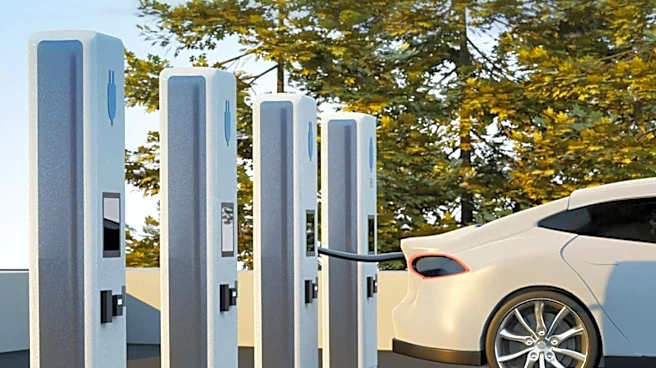
The electric vehicle (EV) charging infrastructure in the United States has seen substantial improvements over the past few years, according to recent data. In 2023, the country had approximately 32,000 DC fast chargers, many of which were initially restricted
to Tesla drivers. However, Tesla's network has since been opened to a broader range of EVs, and the total number of fast chargers has more than doubled. This expansion has been accompanied by increased reliability, with the Paren reliability index showing a rise from 85 to the mid-90s in terms of successful charging sessions and reduced station downtime. A recent 600-mile road trip highlighted these improvements, with the author experiencing a nearly flawless charging experience, a stark contrast to a similar trip three years prior that was fraught with issues.
Why It's Important?
The advancements in EV charging infrastructure are crucial for the broader adoption of electric vehicles in the U.S. As public charging availability and reliability improve, consumer concerns about range anxiety and charging convenience are likely to diminish. This could lead to increased EV sales, supporting environmental goals and reducing reliance on fossil fuels. The competition among charging networks, spurred by Tesla's expansion and other companies' efforts, is driving these improvements, benefiting consumers with more options and better service. The enhanced infrastructure also supports the transition to cleaner transportation, aligning with national and global sustainability targets.
What's Next?
Continued expansion and improvement of the EV charging network are expected as more companies enter the market and existing players enhance their offerings. This growth will likely address remaining gaps in the network and further increase reliability. As the infrastructure becomes more robust, it may encourage more consumers to switch to electric vehicles, potentially influencing automotive industry trends and policy decisions. Stakeholders, including government agencies and private companies, will need to collaborate to ensure the infrastructure keeps pace with the growing demand for EVs.