








What's Happening?
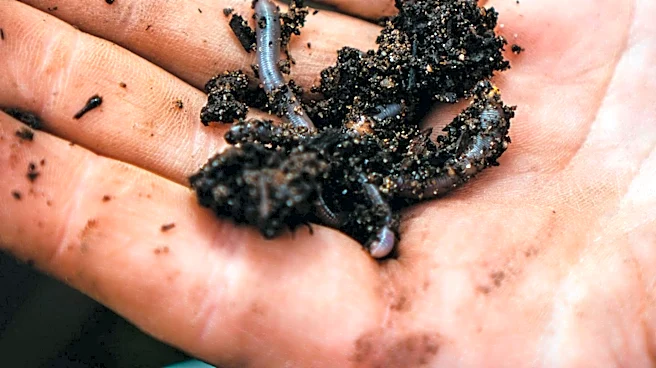
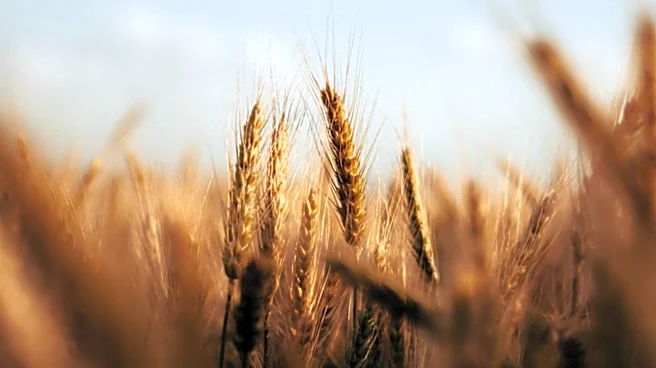
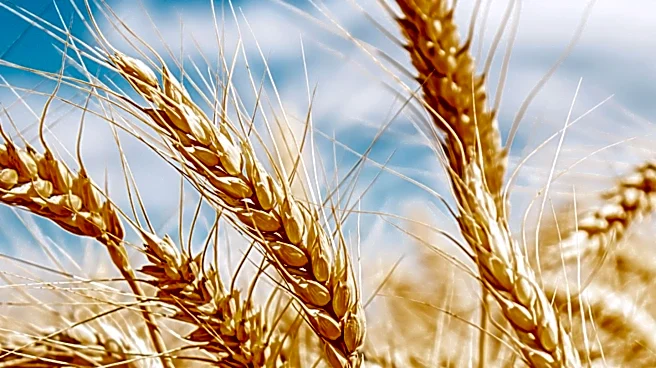
Puratos, a company based in Pennsauken, NJ, is intensifying its efforts in regenerative agriculture by focusing on soil health as a central component of its wheat sourcing strategy. The company plans to enroll approximately 30% of its wheat flour volumes
into mass balance regenerative agriculture programs, aiming to increase this to 50% by 2030. This initiative is part of a broader goal to support regenerative agriculture across 50% of its global flour volumes, with specific targets of 100% in Europe and 25% in other regions. The strategy involves collaboration with farmers, cooperatives, and milling partners to implement practices such as crop rotation, reduced tillage, and cover cropping. Puratos defines regenerative agriculture as a farming approach that enhances soil health, biodiversity, and water management, while also creating long-term value for farmers and communities.
Why It's Important?
The expansion of regenerative agriculture by Puratos is significant as it addresses critical environmental and sustainability challenges within the agricultural sector. By focusing on soil health and sustainable farming practices, Puratos aims to reduce CO2 emissions by 30%, contributing to global efforts to combat climate change. This initiative not only supports environmental goals but also enhances the resilience and sustainability of the agricultural supply chain. For farmers, adopting regenerative practices can lead to improved soil fertility and crop yields, providing economic benefits and long-term viability. The move by Puratos reflects a growing trend in the food industry towards sustainability and could influence other companies to adopt similar practices, potentially leading to widespread positive environmental impacts.
What's Next?
Puratos plans to extend its regenerative agriculture program beyond wheat to include other ingredients such as cocoa, sugar, and fruits. This expansion will require continued collaboration with supply chain partners and the implementation of sustainable farming practices across different agricultural sectors. As the company works towards its 2030 goals, it may face challenges related to scaling these practices and ensuring consistent adoption among farmers. The success of this initiative could prompt further investment in regenerative agriculture and influence industry standards, potentially leading to policy changes that support sustainable farming practices.