







What's Happening?
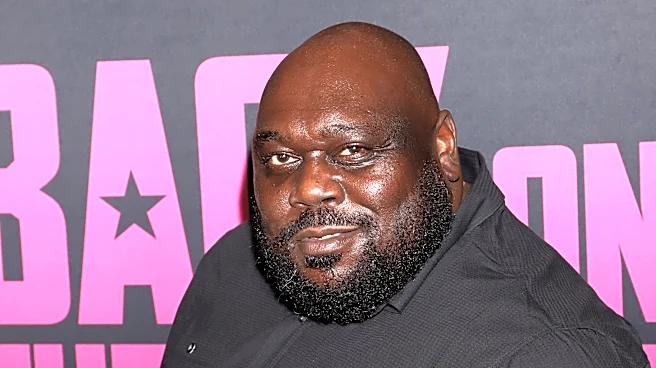
Actor Faizon Love, known for his roles in 'Elf' and 'Couples Retreat,' was arrested in Tampa, Florida, on charges of contempt of court related to a child support case. Love, 58, claimed in court documents that he was unable to pay the $250,000 he allegedly
owes to Tiffany Lee, citing a lack of income over the past year. He reported his highest income in the last five years was $13,000. Love also missed an April court hearing, attributing his absence to a medical emergency. He is currently held without bond at the Hillsborough County Jail. This arrest follows a history of legal issues for Love, including a pending felony assault charge from a 2024 incident and a 2017 misdemeanor assault at an airport.
Why It's Important?
The arrest of Faizon Love highlights ongoing issues within the U.S. legal system regarding child support enforcement and the financial struggles faced by some individuals in the entertainment industry. Love's case underscores the challenges of maintaining financial obligations amidst fluctuating income, a common issue for actors whose earnings can be inconsistent. This situation also brings attention to the legal consequences of failing to meet court-ordered financial responsibilities, which can include arrest and imprisonment. The broader implications may affect public perceptions of celebrity lifestyles and the legal system's handling of child support cases.
What's Next?
Faizon Love's legal team may seek to negotiate terms for his release or contest the charges in court. The case could lead to further legal proceedings to address the child support dispute and any additional charges stemming from his arrest. The outcome may influence how similar cases are handled in the future, particularly concerning the enforcement of child support payments and the treatment of individuals claiming financial hardship. Observers will likely watch for any statements from Love or his representatives, as well as potential reactions from the entertainment industry.
Beyond the Headlines
This case raises questions about the financial realities faced by actors who may not have consistent work or income. It also touches on the ethical considerations of enforcing child support payments when the payer claims financial incapacity. The legal system's approach to such cases could be scrutinized for fairness and effectiveness, especially in balancing the needs of the child with the financial realities of the parent. Additionally, the public's interest in celebrity legal troubles may reflect broader societal attitudes towards wealth, responsibility, and justice.