






What's Happening?
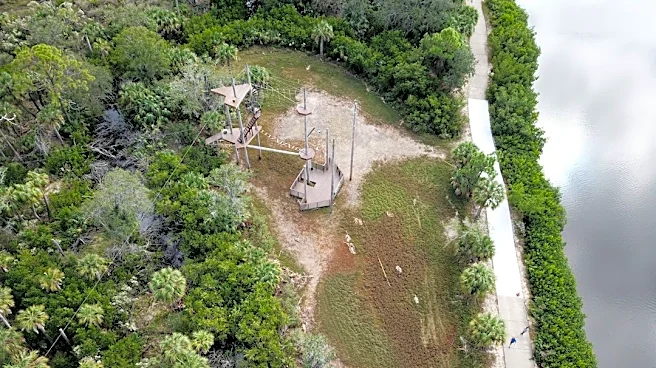
Several U.S. trails are highlighted as ideal for winter hiking, offering snow-free or quieter experiences during colder months. The Florida Trail, an ecologically diverse 1,100-mile journey, is best hiked between October and April, traversing various
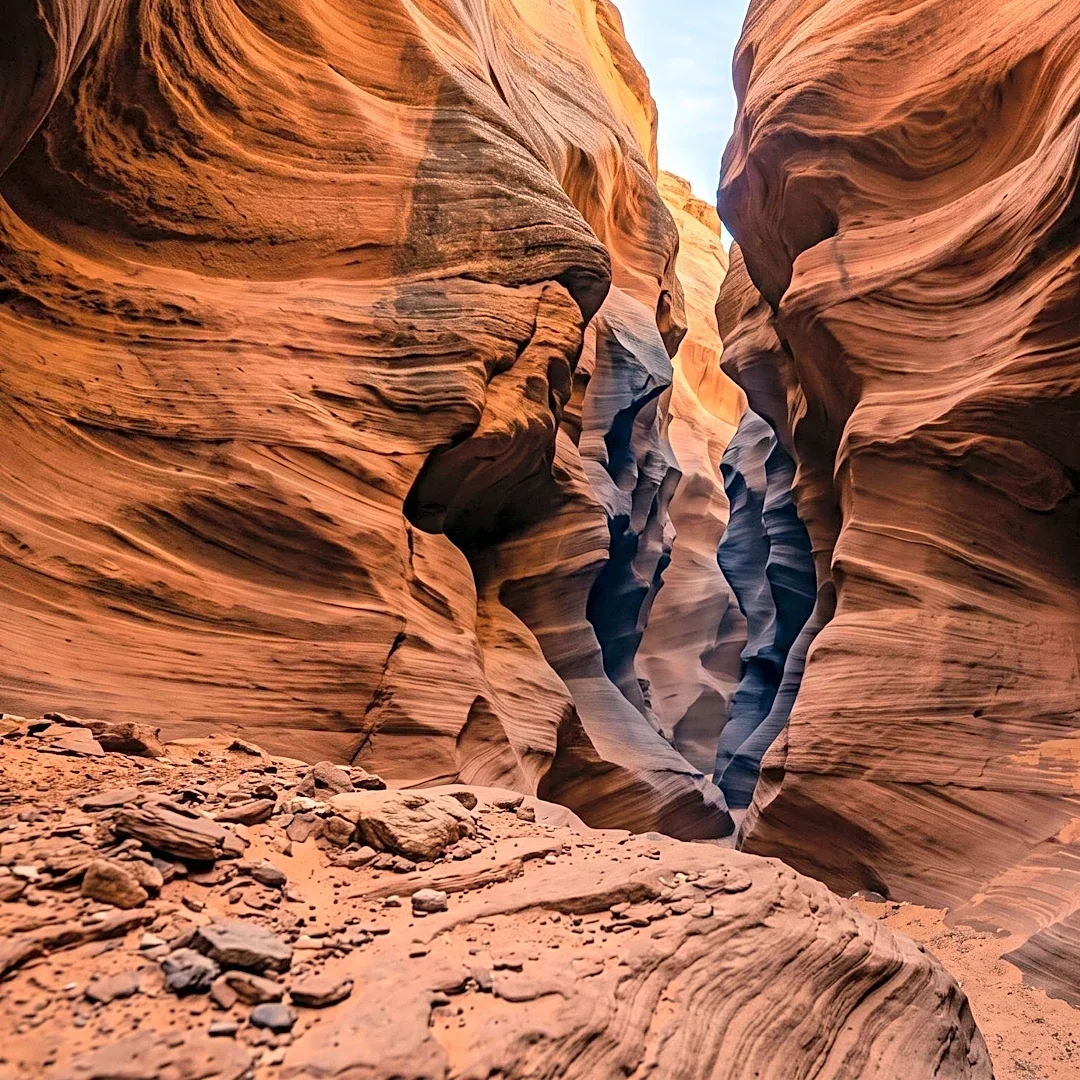
landscapes from prairies to beaches. The Guadalupe Ridge Trail, a challenging 100-mile desert adventure spanning Texas and New Mexico, is recommended from October through December due to high temperatures at other times of the year. The Pinhoti Trail, stretching 350 miles from Alabama to Georgia, provides a quieter hiking experience in winter, avoiding the heat and insects prevalent during other seasons. These trails are noted for their unique characteristics, such as the Florida Trail's varied ecosystems, the Guadalupe Ridge Trail's spectacular ridgeline views and fall foliage, and the Pinhoti Trail's two distinct sections offering different terrains.
Why It's Important?
The identification of these trails as prime winter hiking destinations offers significant opportunities for outdoor enthusiasts seeking to extend their hiking season beyond traditional warmer months. This information can help distribute recreational traffic, potentially reducing overcrowding on popular trails during peak seasons and promoting the use of less-traveled paths. For local economies near these trails, an extended hiking season could lead to increased tourism and revenue for businesses such as lodging, restaurants, and outdoor gear suppliers. Furthermore, promoting winter hiking encourages physical activity and engagement with nature year-round, contributing to public health and well-being. The diverse environments of these trails also provide unique educational opportunities for understanding different ecosystems and geological formations within the U.S.
What's Next?
As awareness of these winter-friendly trails grows, there may be an increase in visitor numbers during the cooler months. This could prompt trail management organizations and national parks to enhance winter-specific services, such as updated trail conditions reports, improved signage for winter safety, and potentially increased ranger presence. Local communities might also develop more winter-oriented events or services to cater to the influx of hikers. Additionally, outdoor gear manufacturers and retailers could see a rise in demand for winter hiking equipment suitable for these specific climates. Further promotion of these trails could also lead to more detailed guides and resources for winter hikers, encouraging responsible and safe exploration of these unique environments.
Beyond the Headlines
The emphasis on winter hiking in snow-free regions reflects a broader trend in outdoor recreation towards year-round engagement and diversification of experiences. This shift can alleviate environmental pressures on trails that are heavily used during traditional hiking seasons, allowing for natural recovery periods. It also highlights the adaptability of outdoor enthusiasts and the growing desire to connect with nature regardless of the season. From an ecological perspective, promoting winter use of certain trails can offer unique opportunities for observing wildlife and natural landscapes in a different light, potentially fostering a deeper appreciation for seasonal ecological changes. This trend also underscores the importance of sustainable trail management practices that can accommodate increased usage across different times of the year while preserving the natural integrity of these valuable outdoor spaces.