




What's Happening?
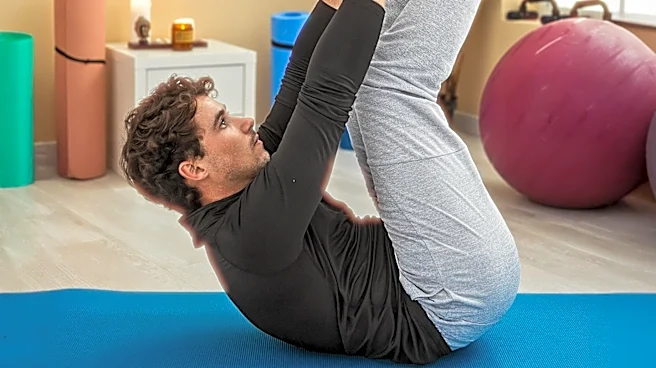
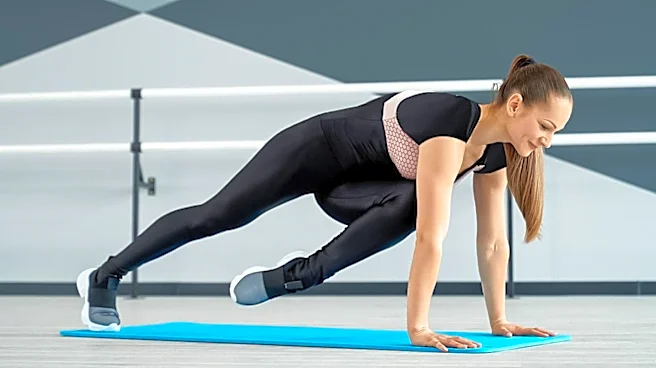
A beginner core workout plan, as detailed by fitnorawell, emphasizes strengthening the muscles that stabilize the spine and pelvis, rather than solely targeting abdominal muscles. This plan includes exercises such as dead bugs, bird dogs, and knee planks.
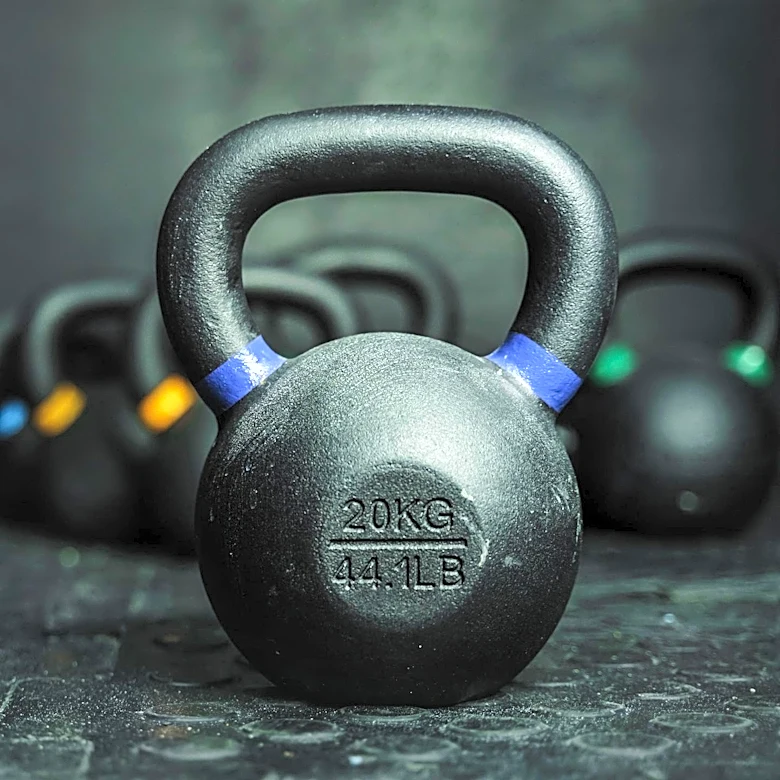
These exercises are recommended to be performed three non-consecutive days a week, with each session lasting approximately 10 minutes. The approach highlights the importance of foundational core strength for overall body mechanics. Another fitness program, Fitline's whole core workout, incorporates dynamic, weighted movements to further strengthen and define both the abdominal muscles and obliques. The focus is on comprehensive core development, moving beyond traditional ab-centric routines to include a broader range of stabilizing muscles.
Why It's Important?
Developing a strong core is crucial for improving posture, balance, and overall body mechanics, which directly translates to more efficient workouts and increased calorie expenditure, according to Core Performance Women. Beyond aesthetics, a well-conditioned core is essential for injury prevention, particularly for the back, and for optimizing performance in daily activities and athletic pursuits. The emphasis on deeper stabilizing muscles, such as the transverse abdominis, multifidus, diaphragm, and pelvic floor muscles, as highlighted by Sherri McMillan, ensures comprehensive support for the spine. This holistic approach to core training can alleviate lower back pain, improve posture, and promote spinal health, benefiting individuals across all fitness levels and age groups.
What's Next?
Individuals looking to improve their core strength can integrate these beginner-friendly exercises into their weekly routine. The recommendation of three non-consecutive days allows for muscle recovery and consistent progress. As strength improves, individuals might explore more advanced core exercises or incorporate tools like resistance bands, stability balls, and balance discs to enhance engagement and proprioception, as suggested by Sherri McMillan. Fitness professionals may continue to advocate for functional exercises that mimic real-life movements, moving away from isolated exercises to dynamic movements that challenge the core in various directions. This ongoing evolution in core training aims to provide more effective and injury-preventative workout strategies.
Beyond the Headlines
The shift in focus from superficial abdominal muscles to deeper stabilizing muscles reflects a broader understanding of human biomechanics and long-term health. This approach underscores the interconnectedness of the body, where core strength is not just about a 'six-pack' but about supporting the entire kinetic chain. Ethically, this promotes a more sustainable and injury-conscious fitness culture, moving away from potentially harmful, high-impact exercises that can strain the back. Culturally, it encourages a more holistic view of fitness, where functional movement and overall well-being are prioritized over purely aesthetic goals. This paradigm shift has implications for how fitness programs are designed and marketed, emphasizing health and longevity.