







What's Happening?
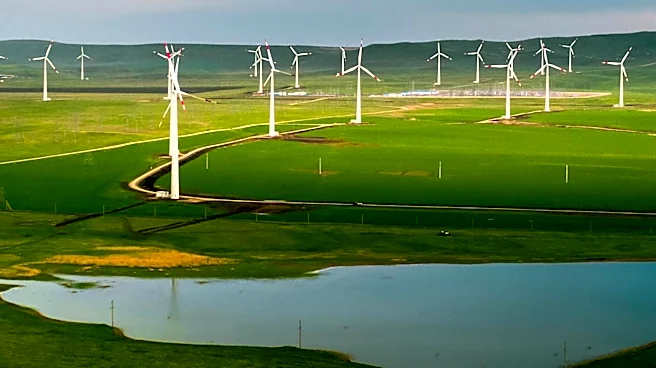
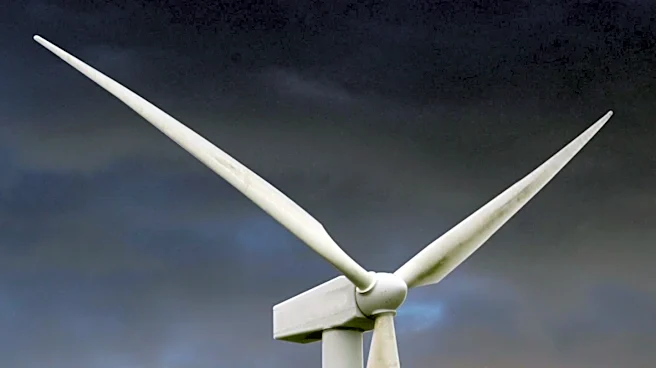
Engineers are making significant advancements in wind turbine technology to enhance renewable energy production. Recent developments include larger, more efficient turbines with improved blade designs and the integration of smart grid technology. The
global wind energy sector is expected to add 160 GW in 2026, although this marks a slight decrease from 2025. The U.S. plans to add 46 GW of new wind capacity between 2025 and 2029. Innovations such as floating offshore turbines and bladeless designs are being explored to overcome existing challenges and expand wind energy capabilities.
Why It's Important?
These technological advancements are crucial for accelerating the global transition to renewable energy. By improving efficiency and reducing costs, these innovations can make wind energy more accessible and sustainable. The U.S. wind sector, in particular, stands to benefit from these developments, potentially reducing reliance on fossil fuels and contributing to climate change mitigation efforts. However, policy decisions and market dynamics will play a significant role in determining the pace and scale of wind energy adoption.
What's Next?
The continued development and deployment of advanced wind technologies are expected to drive further growth in the renewable energy sector. Stakeholders, including governments and energy companies, will need to collaborate to address regulatory and logistical challenges. The success of these innovations could lead to increased investment in wind energy infrastructure and further integration of renewable sources into national energy grids.